
Asia
Northern Thailand
"The first morning I ate khao soi in Chiang Mai, I cancelled my flight south."
Where Thailand slows down to mountain time — ancient temples, mist-covered valleys, and a food tradition that has nothing to do with the beach.

I arrived in Chiang Mai on an overnight bus from Bangkok, groggy and slightly rank, and walked directly into a morning market before I had even found my guesthouse. That was the mistake that fixed everything. A woman was ladling khao soi — that impossible northern curry soup with crispy fried noodles floating on top of soft braised ones — into clay-colored bowls, and I ate two of them standing at a folding table while monks in saffron passed behind me on their alms round. Northern Thailand announced itself through a bowl of soup, and I have never fully recovered.
Chiang Mai is the cultural anchor, but it is the roads out of it that matter most. The loop through Mae Hong Son province — Pai, Mae Sariang, the border towns tucked under ranges that bleed into Myanmar — takes you through landscapes that feel genuinely remote: terraced rice fields carved into impossible slopes, villages where Karen and Shan communities have lived for centuries, and markets where the produce comes down from altitudes where nothing familiar grows. In Chiang Rai, the White Temple is a spectacle worth seeing once and ignoring the postcards of forever. More interesting is the Golden Triangle and the slow river border with Laos, where time moves at the pace of the Mekong. I rented a motorbike in Pai on a Tuesday and didn’t come back until Saturday. No one was waiting for me. That is what this region does — it removes the urgency.
The food here is a separate country from Bangkok. Northern Thai cuisine runs darker and earthier: laab khua with offal and dried spices, sai ua sausage grilled over charcoal until the herbs inside perfume the whole street, nam prik noom — a roasted green chili dip that looks mild and emphatically is not. Sticky rice is the vehicle for everything. You eat it with your hands, pulling a small ball, pressing it into dips and stews, using it to scoop up whatever is next to your plate. It is the most intuitive food I have encountered anywhere, and eating it properly took me exactly one meal to figure out.
When to go: November to February is the best window — cool enough in the mountains for light layers at night, dry, and clear. March brings smoke season as fields are burned, which turns the air hazy and the sunsets spectacular but makes breathing unpleasant. The rains arrive in June and the valley landscapes go electric green, though mountain roads can close without warning.
What most guides get wrong: They treat Chiang Mai as a base camp for day trips rather than a destination with its own rhythm. The city rewards staying put — eating the same vendor’s noodles three mornings in a row, finding the temple that isn’t on the tourist circuit, learning which neighborhood comes alive after dark. The north has nothing to prove to people who are only passing through.
Explore
Places in Northern Thailand
 northern-thailand
 Chiang Dao
A small market town beneath a limestone massif that feels like the north's best-kept secret and is slowly becoming less of one.
Explore northern-thailand
 Chiang Mai
Thailand's northern capital earns its reputation not through monuments but through a daily rhythm that makes leaving feel irresponsible.
Explore northern-thailand
 Chiang Rai
Thailand's northernmost city where the Mekong begins to feel close and the temples have never heard of restraint.
Explore northern-thailand
 Doi Ang Khang
A cold mountain outpost near Myanmar where strawberries and kiwis grow where opium once did, in the coldest corner of Thailand.
Explore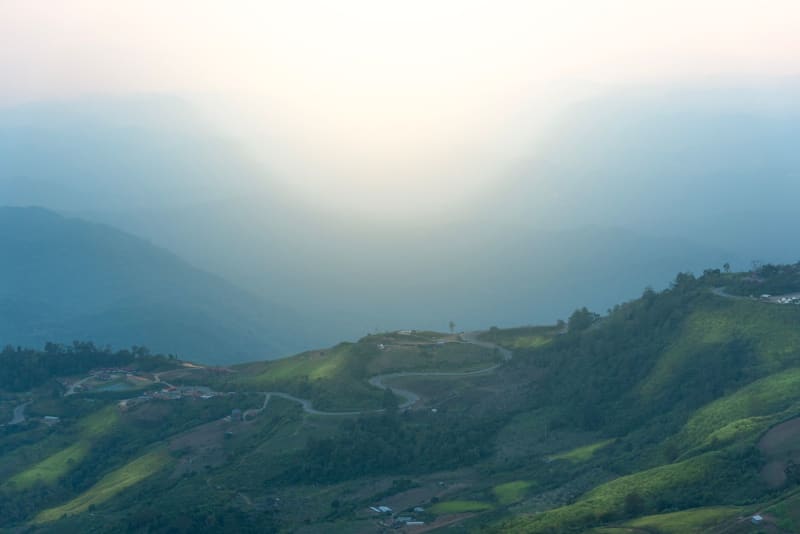 northern-thailand
 Doi Inthanon
Thailand's highest peak where the air turns cold enough to need a jacket and the waterfalls don't apologize for their scale.
Explore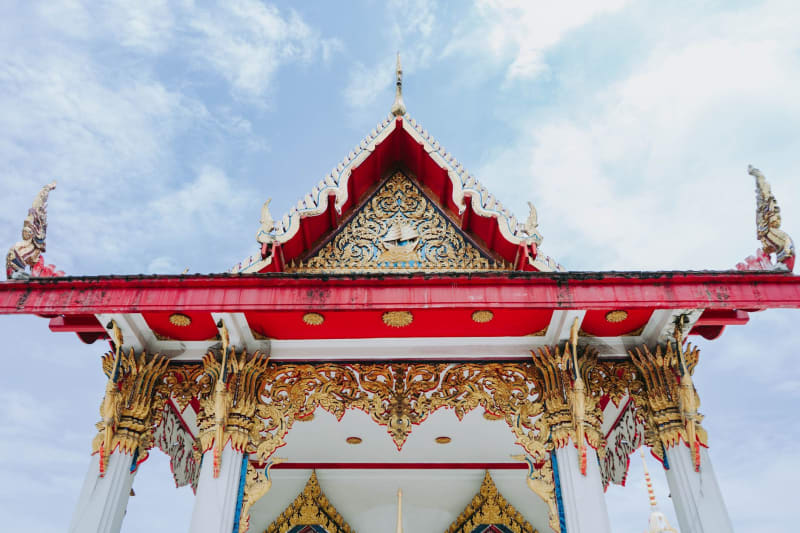 northern-thailand
 Golden Triangle
Where three countries meet at the Mekong and the river carries more history per kilometer than most rivers carry in their entire length.
Explore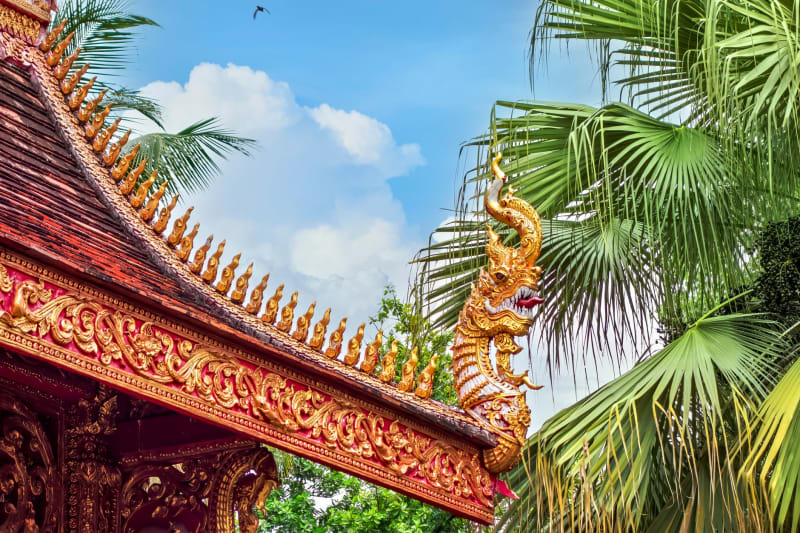 northern-thailand
 Lampang
The city of horse-drawn carriages and Burmese teak temples that moves at a pace nobody in Bangkok would recognize as Thai.
Explore northern-thailand
 Mae Hong Son
A mountain town so close to Myanmar it flinches at the border — mist, temples, and a pace of life that belongs to no particular country.
Explore northern-thailand
 Mae Salong
A Chinese hill town in the Chiang Rai mountains, founded by exiled Nationalist soldiers and now wrapped in oolong tea terraces, where the food and the accents belong more to Yunnan than to Thailand.
Explore northern-thailand
 Mae Sariang
A sleepy river town on the Salween where the Burmese influence is palpable and nobody seems to be in a hurry to explain themselves.
Explore northern-thailand
 Nan
A provincial capital in the mountains near Laos where the frescoes are extraordinary and nobody seems to know it yet.
Explore northern-thailand
 Pai
A small valley between mountain ranges where time moves at the pace of a hammock and the rice fields change color every week.
Explore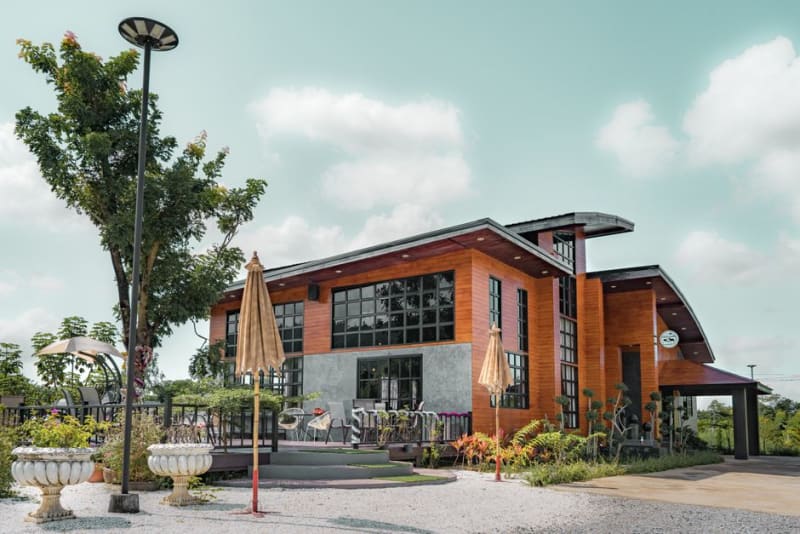 northern-thailand
 Phrae
A forgotten teak-trading capital of gilded chedis and silent wooden mansions, where northern Thailand still feels unhurried and unseen.
Explore