Doi Ang Khang
"I put on every layer I owned and still shivered — in Thailand, of all places."
A cold mountain outpost near Myanmar where strawberries and kiwis grow where opium once did, in the coldest corner of Thailand.
I did not pack for cold weather when Lia and I left Chiang Mai. Nobody warns you that Thailand has a place where your breath fogs at dawn. Doi Ang Khang sits right up against the Myanmar border, climbing to nearly 1,928 meters, and by the time our truck wound up the last switchbacks, the tropical heat we’d left behind two hours south felt like a different country entirely. We arrived at our guesthouse just after five, and I remember standing outside with a cup of tea going cold in my hands, watching mist pool in the valley below like something poured rather than formed.
The next morning we walked through the Royal Project research station, and this is where the mountain’s whole story clicked into place for me. King Bhumibol started this project back in 1969, not as some ornamental garden but as a real alternative for farmers who’d been growing opium poppies on these slopes. Strawberries, peaches, kiwis, flowers that have no business existing in Thailand — they all grow here because the climate mimics the temperate zones. Lia bought a punnet of strawberries from a stall by the entrance and we ate them standing in a greenhouse, juice running down our fingers, while a researcher explained the crop trials happening in the beds around us.
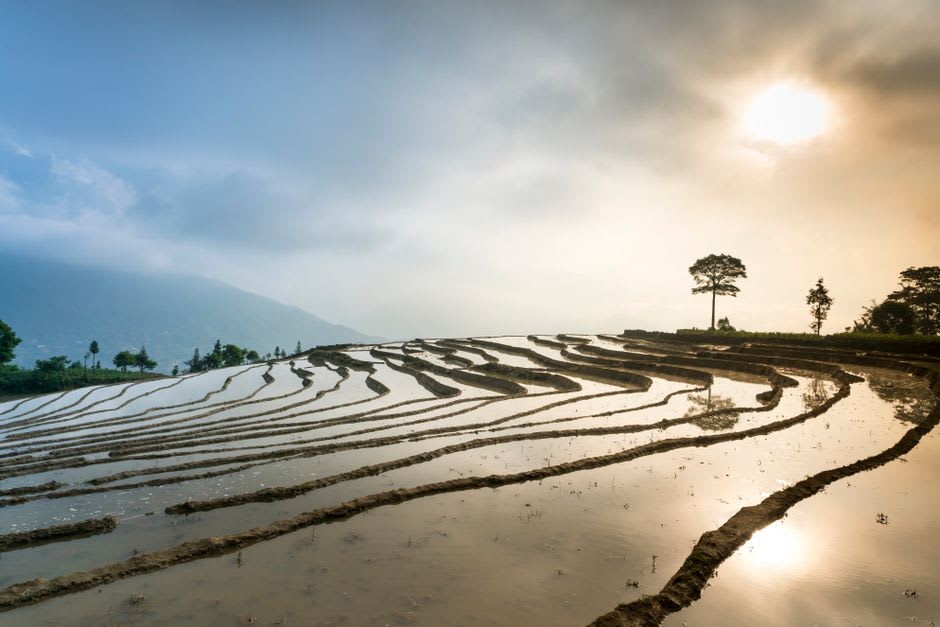
From the station we drove out to Nor Lae and Khob Dong, two hill-tribe villages a short distance further along the ridge. The communities there are Palaung, Lisu, and Chinese Yunnanese, many of whom settled on this mountain after fleeing conflict across the border in Myanmar and China generations ago. We stopped at a small tea house run by a Yunnanese family, and the woman who served us spoke Thai with an accent I couldn’t quite place until she told us her grandparents had walked over these hills decades before the road existed. I think about that conversation more than almost anything else from that trip — how a place this remote holds so much displaced history in its terraces and tea leaves.
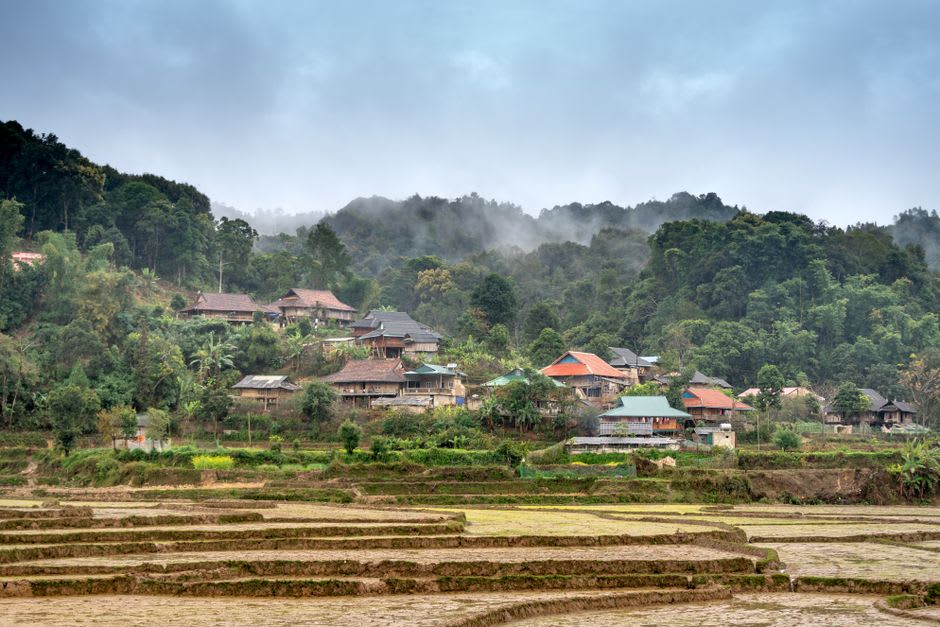
We stayed two nights, and both mornings I woke up cold inside a fleece-lined sleeping bag, which felt absurd and wonderful at once. Doi Ang Khang isn’t a place you rush through — it rewards the kind of slow wandering between fields and villages that lets the temperature and the altitude and the history sink in together.
When to go: Aim for November through February, when the air turns genuinely cold, the flowers are in bloom across the research station, and the mountain views stretch clear all the way to the Myanmar ridgelines.
Keep exploring
More from Northern Thailand
 northern-thailand
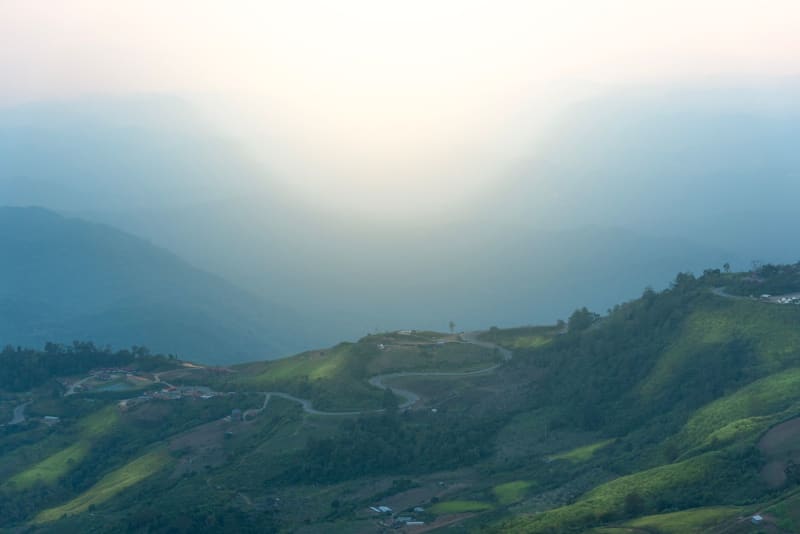
 Doi Inthanon
Thailand's highest peak where the air turns cold enough to need a jacket and the waterfalls don't apologize for their scale.
Explore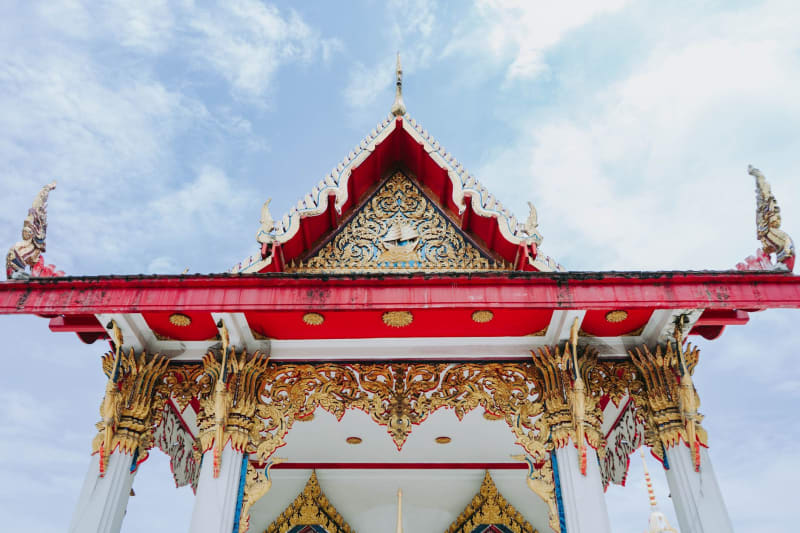 northern-thailand
 Golden Triangle
Where three countries meet at the Mekong and the river carries more history per kilometer than most rivers carry in their entire length.
Explore northern-thailand
 Lampang
The city of horse-drawn carriages and Burmese teak temples that moves at a pace nobody in Bangkok would recognize as Thai.
Explore northern-thailand
 Mae Hong Son
A mountain town so close to Myanmar it flinches at the border — mist, temples, and a pace of life that belongs to no particular country.
Explore northern-thailand
 Mae Salong
A Chinese hill town in the Chiang Rai mountains, founded by exiled Nationalist soldiers and now wrapped in oolong tea terraces, where the food and the accents belong more to Yunnan than to Thailand.
Explore northern-thailand
 Mae Sariang
A sleepy river town on the Salween where the Burmese influence is palpable and nobody seems to be in a hurry to explain themselves.
Explore