
Tennant Creek
"The bloke running the underground tour used to work this mine himself, and he still talked about the gold like it might still be down there."
An old gold-rush town in the dead centre of the Territory, where mining history and Warumungu culture meet on the Stuart Highway.
Tennant Creek sits almost exactly halfway between Adelaide and Darwin on the Stuart Highway, a fact the town itself seems mildly proud of and mildly resigned to in equal measure — it’s a place most people drive through rather than to. I stopped for what was meant to be one night and stayed two, mostly because of a mine tour that turned out to be one of the more unexpectedly good things I did in the Territory.
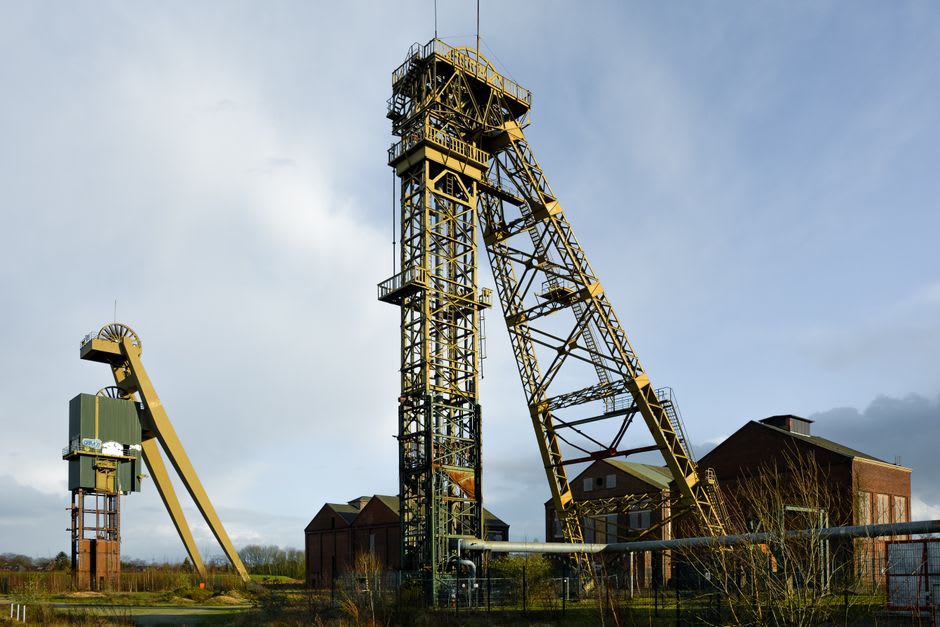
Gold was found here in 1932, sparking Australia’s last significant gold rush, and Battery Hill Mining Centre preserves the old ten-head battery that crushed ore from the surrounding mines along with an underground tour led — when I visited — by a former miner who’d worked the Noble’s Nob mine himself in the 1970s. He walked us through the shaft with a headlamp and a running commentary on cave-ins, near-misses, and the specific psychology of men who spent decades chasing gold seams underground in 45-degree heat. It’s a rougher, less curated version of Australian mining history than the tourist-board version usually offers, and better for it.
This is Warumungu country, and the Nyinkka Nyunyu Art and Culture Centre in town, run by Warumungu people, does a genuinely good job of presenting language, history, and contemporary art together rather than treating culture as a static backdrop to the gold rush story next door. I spent an hour there talking to one of the centre’s staff about the Warumungu language program running in local schools, which felt like a far more useful use of an afternoon than I’d expected from a town I’d only meant to refuel in.
Out of town, the Pebbles conservation reserve — a smaller, quieter cousin of the granite boulders at Karlu Karlu further north — makes a good sunset stop with almost nobody else around, the rounded orange rocks glowing hard in the last light.
When to go: April through September for comfortable daytime temperatures; summer here regularly pushes past 40 degrees. Book the Battery Hill underground tour in the morning — afternoons in the shaft get uncomfortably warm even by Tennant Creek standards.