
Kata Tjuta
"Kata Tjuta doesn't ask to be understood. It asks to be stood in front of."
Everyone goes to Uluru. Kata Tjuta, fifty kilometres west, receives far fewer visitors, and the fact of this seems improbable once you stand inside the Valley of the Winds. The 36 domes — some of them 546 metres high, higher than Uluru — press in from both sides of the walking track in a way that is less majestic than intimate, like walking through a landscape that has decided to include you. Uluru is a monolith that you regard from outside. Kata Tjuta is a labyrinth that you walk through, and the difference in experience is so complete that I am not sure why the comparison is always made. They are entirely different encounters.
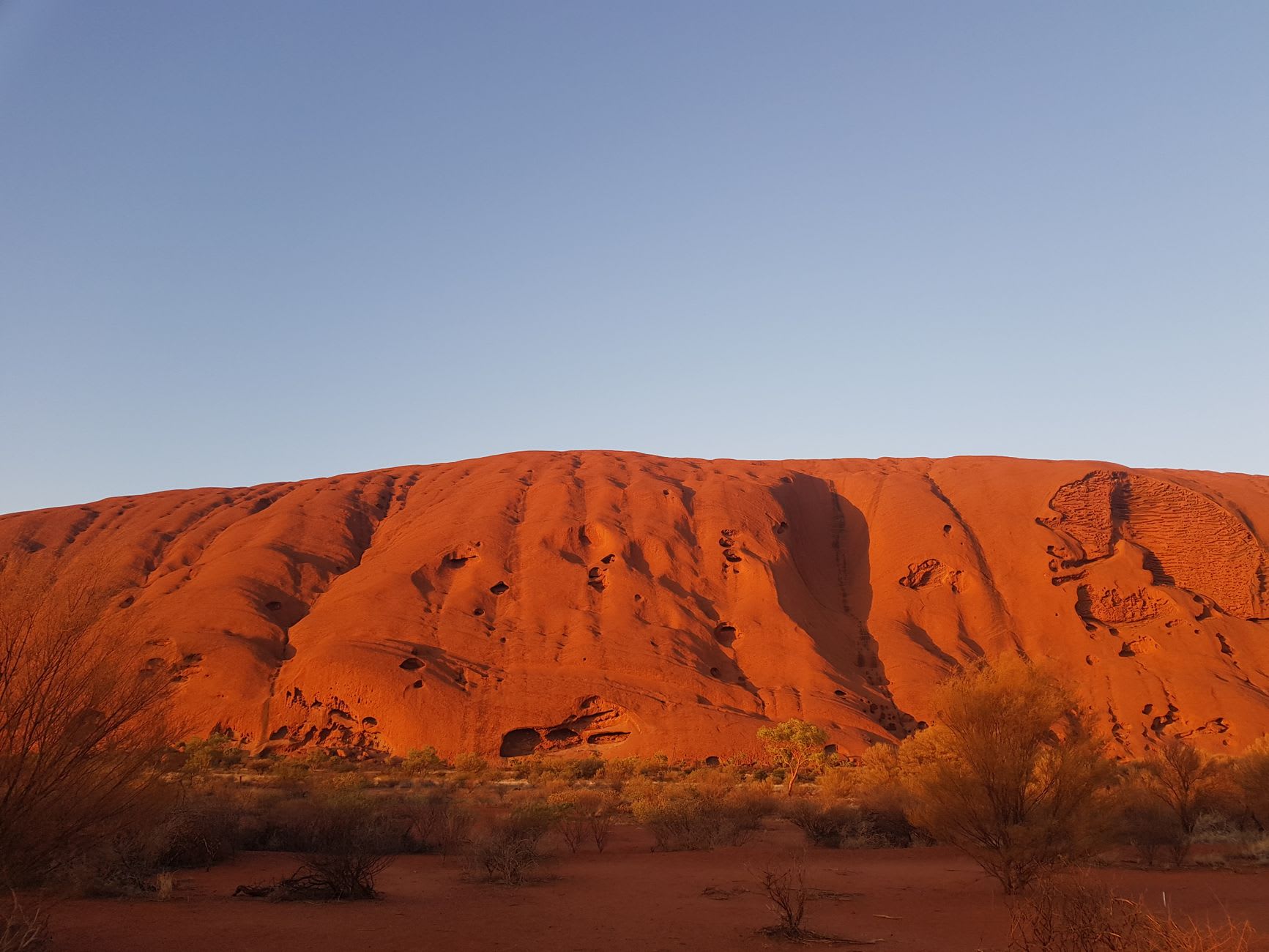
The Valley of the Winds walk runs seven and a half kilometres through the dome system and is rated moderate, which in Australian national park language means it is a genuine walk with elevation, not a stroll. I started at sunrise, when the air was still cold and the light entering the gorge between Karingana and Walpa domes was almost lateral — hitting the rock face at such a low angle that the colour was a deep, metallic red I have not seen anywhere else. The domes are conglomerate rock, different from Uluru’s sandstone, and the surface texture is different too: rougher, pocked with erosion hollows, scattered with rounded pebbles of granite and basalt cemented into the matrix. Running your hand along the rock face you feel hundreds of millions of years of geological event.
The Anangu people consider Kata Tjuta to be among the most sacred sites in their country. The Tjukurpa relating to this place is specifically men’s knowledge and is not shared — there are sections of the dome system that are not accessible to visitors, and the cultural reasons for this are not explained because they cannot be. I find this more respectful than the alternative would be. Some knowledge is not for circulation. The park authority’s signage is quietly clear on this point: you are welcome here, within certain parameters, and those parameters are not negotiable. I appreciated the clarity.
Walpa Gorge, a shorter and easier walk at the eastern end of the formation, is accessible to those who cannot manage the full Valley of the Winds. The gorge is spectacular in its own right — a passage between two towering domes, the bottom strewn with boulders and desert oak trees — and in the afternoon the light comes in from the west and turns the rock walls an extraordinary salmon pink.
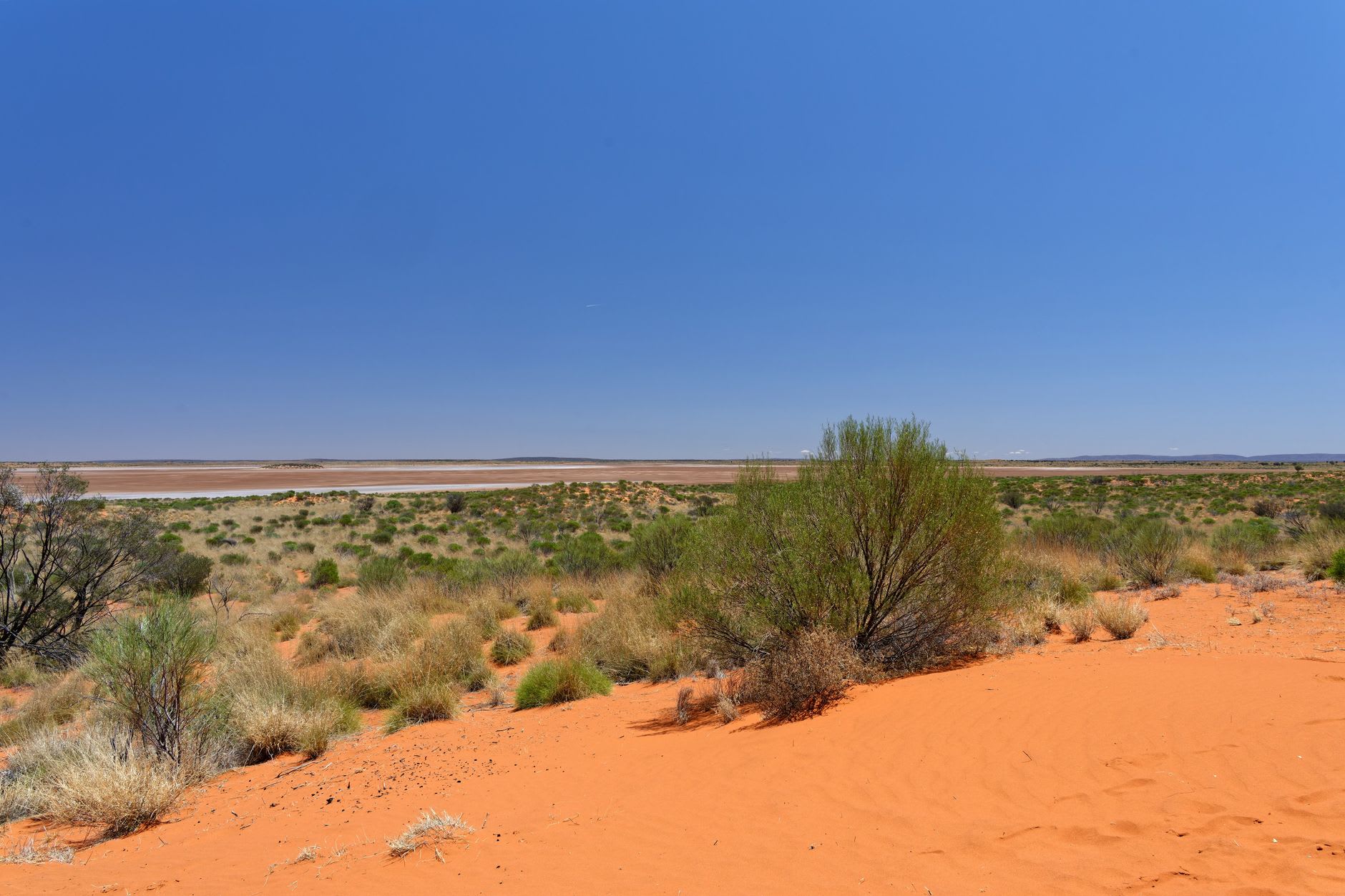
I had not expected the wildflowers. In June, after the winter rains, the desert floor between the domes was scattered with small yellow and white flowers — species whose names I did not know but whose presence, against the red ground and the red rock above, had the quality of a considered arrangement. Nothing in the desert wastes energy on appearance without reason. These flowers were working. The insects moving between them were working. The hawks overhead were working. Kata Tjuta in the dry season is not an empty landscape — it is a fully occupied one, and the quiet is not silence but the sound of all that occupation operating below the register of human notice.
When to go: The Valley of the Winds walk closes at 11 a.m. from October through April when temperatures above the domes can reach dangerous levels — this is enforced, not suggested. May through September is the ideal window: clear skies, cold mornings that warm to comfortable afternoons, and the long shadows of the low winter sun that make the domes most dramatic. Sunrise is non-negotiable if you can manage the alarm.