
São Luís
"The tiles peel and the music doesn't stop — São Luís exists in a permanent state of beautiful, breathing decay."
I arrived in São Luís on a Tuesday night, the heat pressing down like something you could touch, and the city came at me all at once: the smell of babaçu oil frying somewhere deep in a courtyard, the damp sweetness of the river coming off the bay, and from somewhere three streets over, a zabumba drum finding its groove before the rest of the band had even tuned up. I hadn’t been in the country twenty minutes and the Nordeste was already making its case. It did not make the case gently.
The historic center sits on a peninsula between two rivers and hasn’t fully made up its mind about restoration. Some blocks have been carefully rescued — facades repainted in the original yellows and ochres, the azulejo tiles cleaned and reset. Other blocks have been left to the particular entropy that humid heat and salt air produce over four centuries, and the result is more beautiful. The Portuguese tiles that cover most of the colonial facades were brought as ballast on ships coming from Lisbon, and they stayed because the Maranhão heat made exterior plasterwork crack and fall. So the buildings ended up wearing blue-and-white tile like second skin, and they’ve been wearing it ever since, the patterns fading, the grout darkening, the occasional panel collapsing into a gap that frames the brick behind it like a missing tooth.
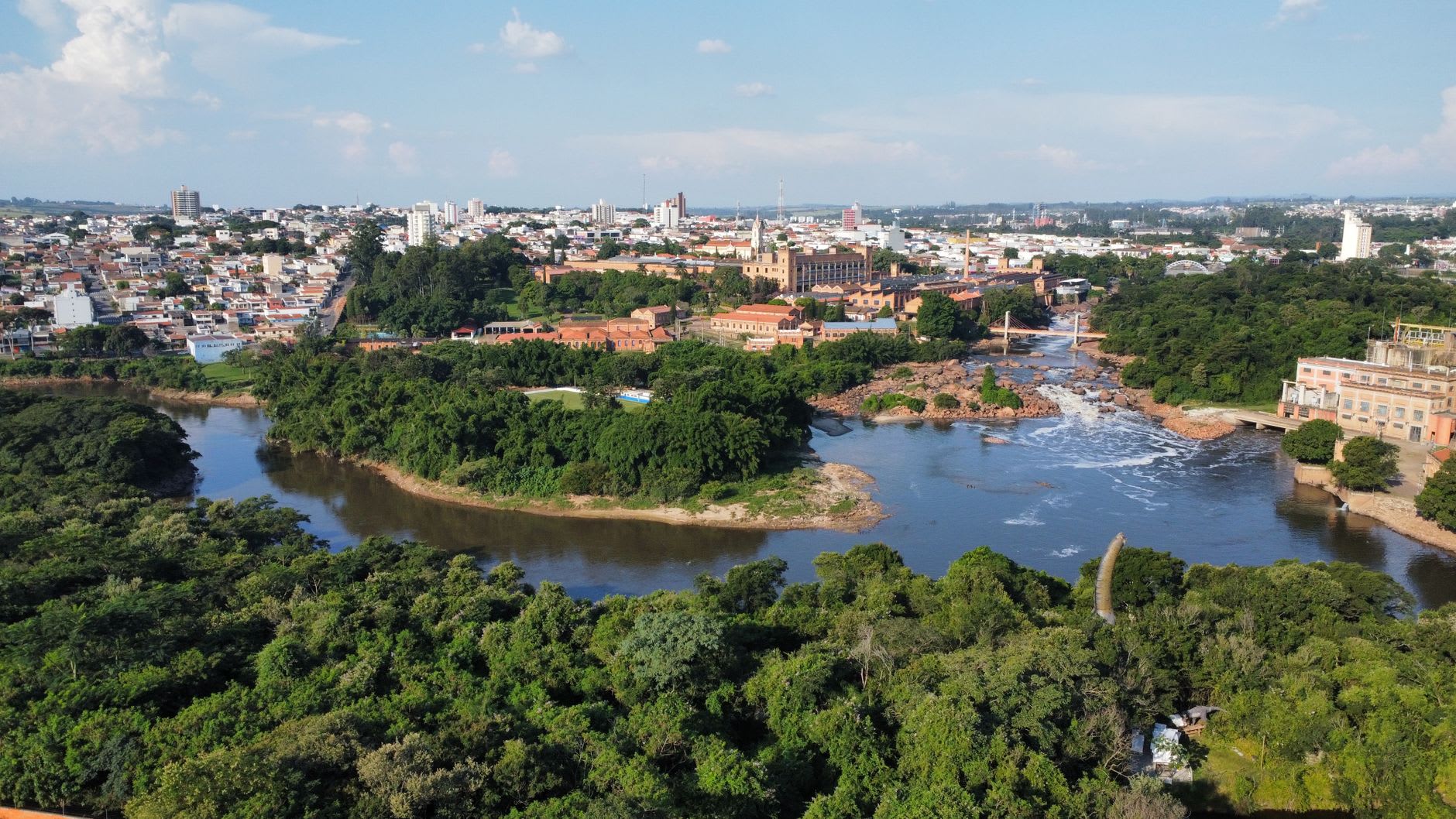
The food here runs deeper than elsewhere in Brazil, rooted in a combination of Indigenous Tupinambá, African, and Portuguese traditions that produced dishes I had never encountered in any other part of the country. Arroz de cuxá is the local staple — rice cooked with a dried shrimp paste and vinagreira leaves that gives it a deep, slightly sour edge. Caranguejo, the local mud crab, appears at tables throughout the historic center, split open and spiced, eaten with your hands while the juice runs down your wrists. At the waterfront market, vendors sell maniçoba — a stew of manioc leaves that has to cook for seven days to neutralize the toxins in the cassava, which gives it a depth that short-cut cooking never achieves.
What São Luís has that no other Brazilian city quite replicates is Bumba Meu Boi. This is not a carnival — it happens in June, during the Festas Juninas cycle — and it is not a spectacle designed for visitors. The competing Boi groups represent different neighborhoods and different drumming traditions, and they rehearse for months before the public performances. I wandered into a rehearsal in the Madre de Deus neighborhood on my second night and stood at the edge of a crowd of perhaps two hundred people who were following the movements of a fabric bull and its surrounding cast of characters with the focused, participatory attention of people watching something that genuinely matters to them. The drumming was immense — it came up through the concrete and settled into my sternum.
The city is not easy. The historic center has been partially hollowed by poverty, and the streets after dark require some attention in certain blocks. But the difficulty is also part of what makes São Luís feel alive in a way that curated heritage cities often don’t. The tiles are falling off the buildings and people live inside those buildings and the music plays through open windows at midnight and there is always something frying. It is a city that exists for itself, and visitors who work with that rather than against it find something extraordinary.
When to go: June is the best month, when Bumba Meu Boi takes over and the city runs on percussion and fabric and firelight. The dry season from July through December keeps the streets navigable and the bay blue. Avoid February through May when the rains are heaviest — streets flood and the bus service to Barreirinhas (gateway to Lençóis Maranhenses) becomes unreliable.