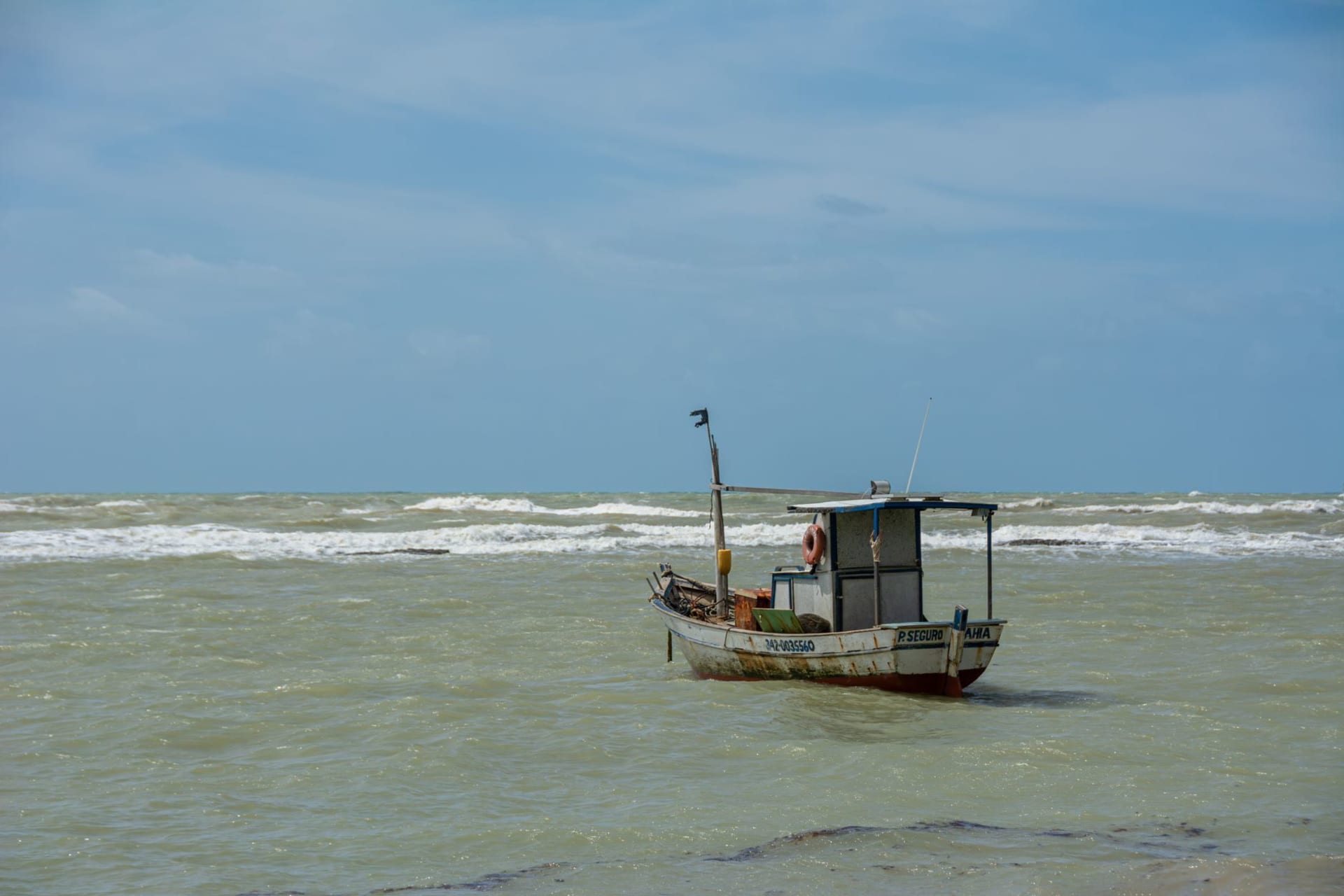
Olinda
"In Olinda, even the hills feel like they were arranged to maximize the number of good views."
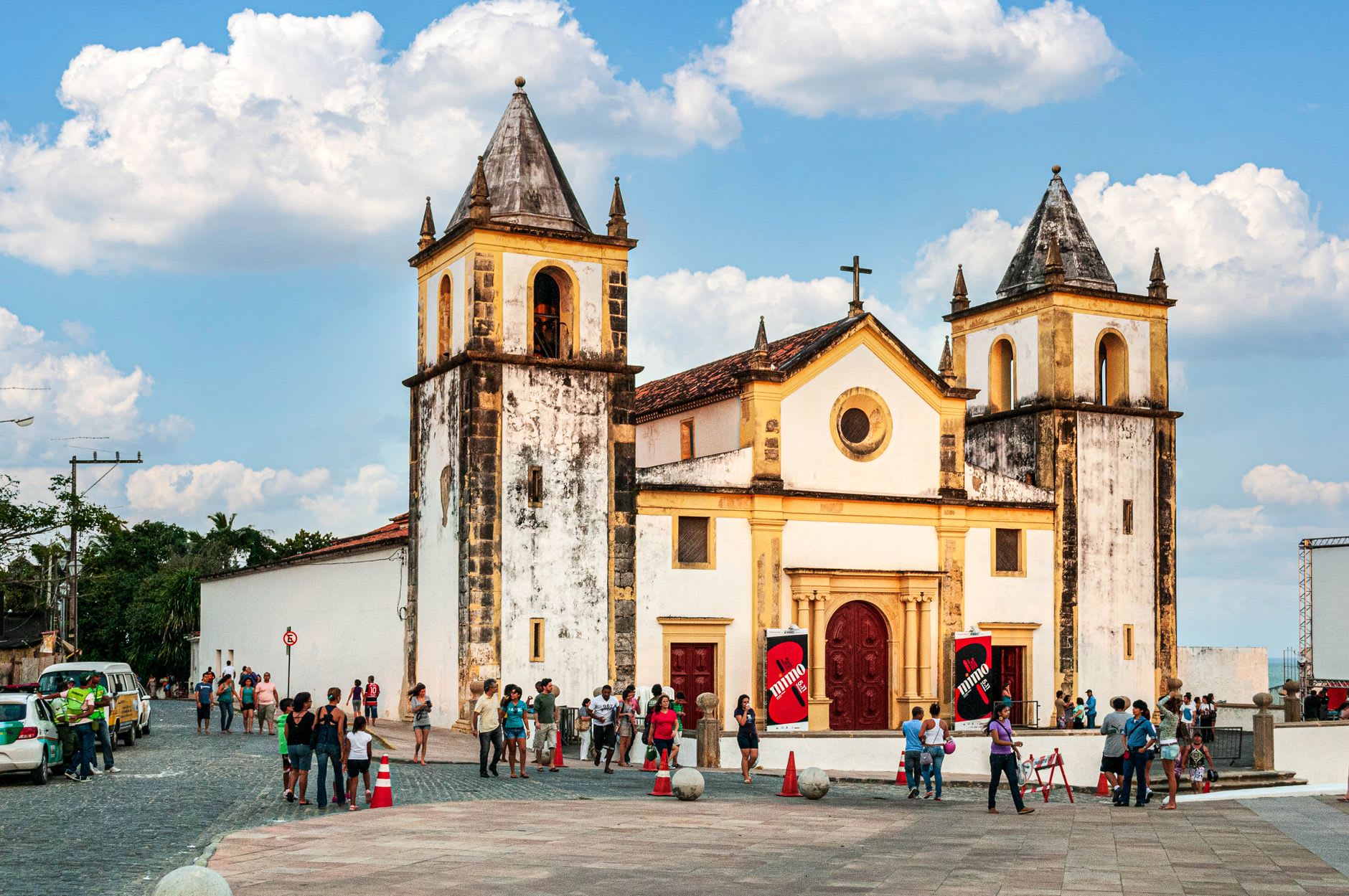
Olinda sits on a series of small hills above Recife and it knows it. The town has been aware of its own beauty since the Portuguese built the first convento here in 1585, and four centuries of reinforcing that self-knowledge have produced a place of concentrated colonial loveliness that borders on the theatrical — church towers rising above red-tiled roofs, bougainvillea overwhelming every wall it can reach, mango trees casting shade over cobblestone streets that tilt at angles uncomfortable for anyone in thin-soled shoes. I arrived by bus from Recife on a Tuesday afternoon and the first cobblestone street I turned up nearly undid me before I had seen anything worth seeing.
The churches are the obvious entry point and there are enough of them in a town of this size to constitute a kind of architectural argument. Each occupies a hilltop position that makes it visible from multiple directions, each has a history that involves destruction and rebuilding (the Dutch came through in the 17th century and were thorough), and each is still in active use. I arrived at the Igreja do Convento de São Francisco on a weekday and found a congregation of about thirty people attending a midmorning mass with the doors open to the breeze and a smell of candle wax and old stone that is irreproducible by any modern building.
The art scene in Olinda is genuine and lived-in rather than designed for visitors. The ateliers scattered throughout the historic center — workshops of painters, ceramicists, woodcarvers working in the tradition of the Pernambuco carving school — have their doors open in the mornings and the artists visible at work. The work for sale is not all excellent and you have to look, but the act of looking takes you through rooms and courtyards that themselves are worth the time. The GAMA (Galeria de Arte Marcantonio Vilaça) curates the more rigorous end of the local contemporary scene, and it is worth walking uphill to find it.
What Olinda is most famous for, and what it handles with an ease that seems impossible for a small hillside town, is its carnival. The pre-Lent celebration here is street-based, participatory, and organized around enormous papier-mâché puppets — some reaching eight meters tall — called bonecos gigantes, which are carried through the streets by teams while the frevo bands play and the crowd moves around them. There is no cordoned-off route, no stadium, no separation between performer and public. You are inside the carnival or you are not in Olinda. I went one February and spent thirty-six hours essentially not sleeping, moving between street parties that started at different times in different neighborhoods, eating caldo de cana and tapioca from stalls at corners, and understanding gradually that this was not a performance that happened to occur in a beautiful place but the reason the beautiful place exists in the form it does — built and maintained and loved because it provides the ideal backdrop for what the town actually does, which is celebrate.
Outside carnival, Olinda is quieter and in some ways more itself. The Saturday market along the hilltop square sells lace, regional crafts, ceramics from the Vale do Capibaribe, and food cooked by the same women who run the small restaurants the rest of the week. The view from the Alto da Sé at sunset, looking over the roofscape to the sea and the skyline of Recife, which is one of those rare moments when a modern urban skyline and a colonial hilltop actually improve each other’s company.
When to go: Carnival (February or March, date varies with the liturgical calendar) is the main event — book accommodation in Recife or Olinda at least six months in advance. Outside carnival, May through August offers cooler, drier weather that is ideal for walking the cobblestone streets. The December to March rainy season doesn’t deter visitors but the hills get slippery. Olinda is easily reached from Recife by bus in thirty minutes.