Fortaleza
"Fortaleza fed me better than anywhere in Brazil and asked for almost nothing in return."
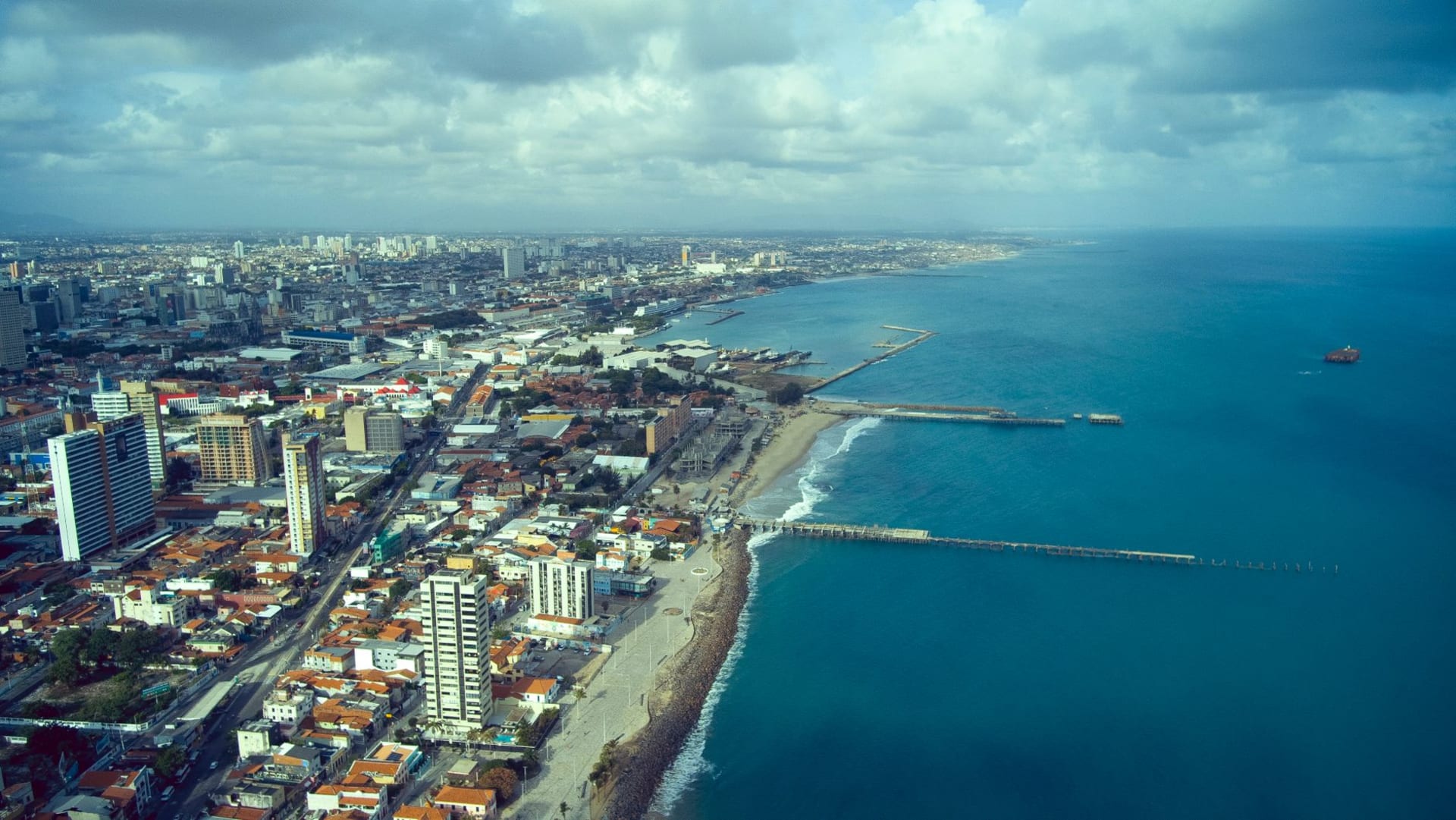
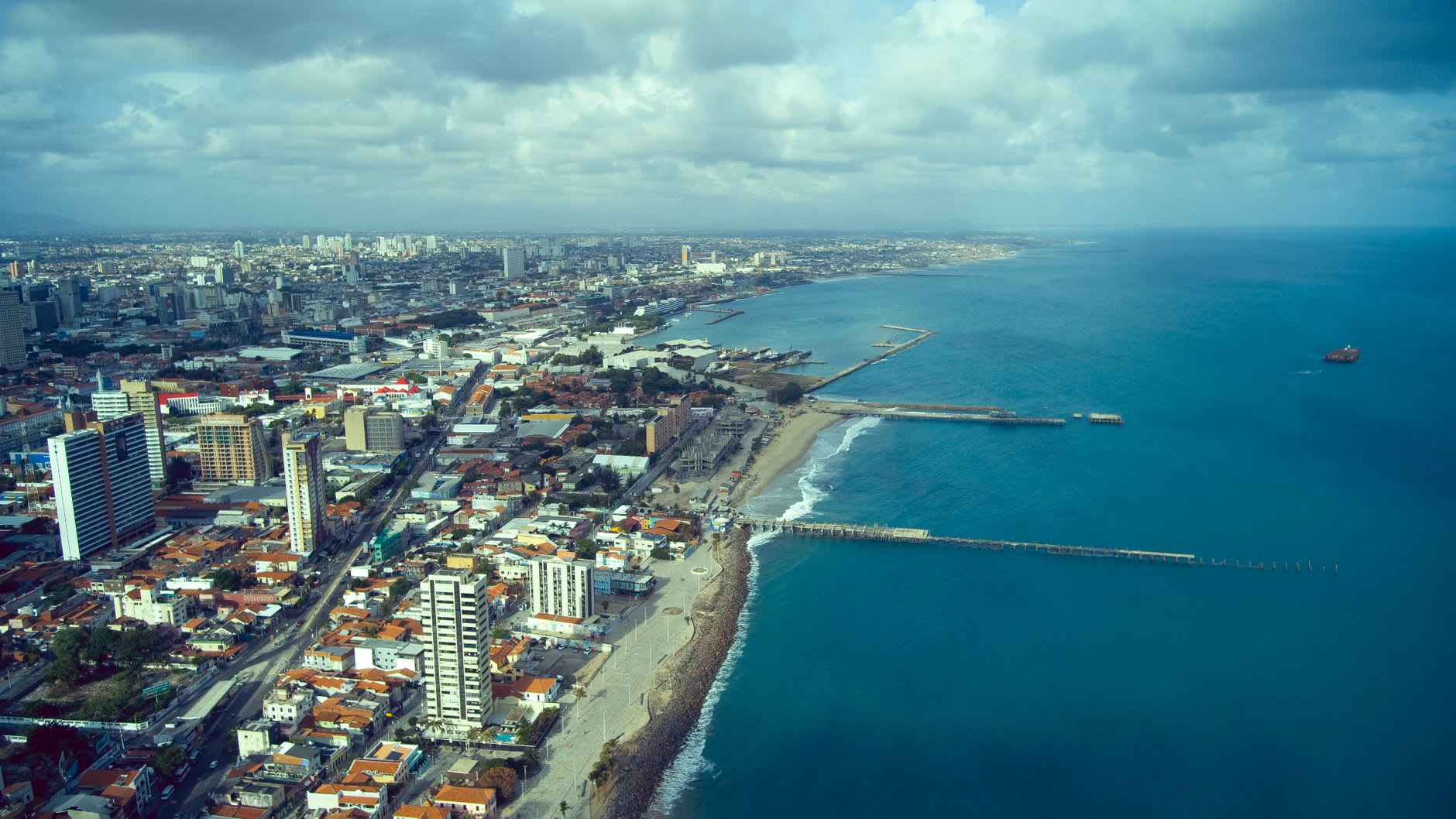
Fortaleza doesn’t make a good first impression if you arrive expecting what travel content has led you to expect. The beach in the city center is busy and urban — not the postcard Nordeste, not turquoise water and empty sand. The traffic is serious, the heat is unrelenting, and the city extends in every direction with the dense, chaotic energy of a place with four million people and ambitions that outrun its infrastructure. I loved it immediately. It felt like a city that had decided to be exactly what it was and had no particular interest in your opinion on the matter.
What Fortaleza does better than anywhere I found in the Nordeste is feed you. The street food operates on a scale and variety that rewards dedicated exploration. Caldo de sururu — a broth made from tiny freshwater mussels, thick with onion and herbs, served in a plastic cup at food stalls along the beachfront — is one of those things you eat once and then spend the rest of the day thinking about how to get another. Tapioca is everywhere, the gummy cassava crepe filled with whatever combination you specify: sun-dried beef (carne-de-sol) and coalho cheese is the local standard, the beef salty and slightly crisp at the edges, the cheese yielding and warm. At the Mercado Central, which occupies an enormous building in the downtown and runs on organized chaos, you can buy every ingredient that goes into the local cooking and eat lunch at the upstairs restaurants for almost nothing.
The Dragão do Mar — the Centro Cultural Dragão do Mar de Arte e Cultura — is worth a half-day that turns into a full day. It was built in the late 1990s on the bones of the old Iracema neighborhood, a waterfront area that had fallen into disuse, and it manages to be genuinely ambitious without being sterile: a museum of contemporary art in a curved white building, a planetarium, outdoor performance spaces where local musicians play on weekend evenings. The neighborhood around it, still called Iracema, has bars and restaurants in restored colonial buildings, a certain creative-class energy that shows up in smaller Brazilian cities when artists find cheap real estate near the water.
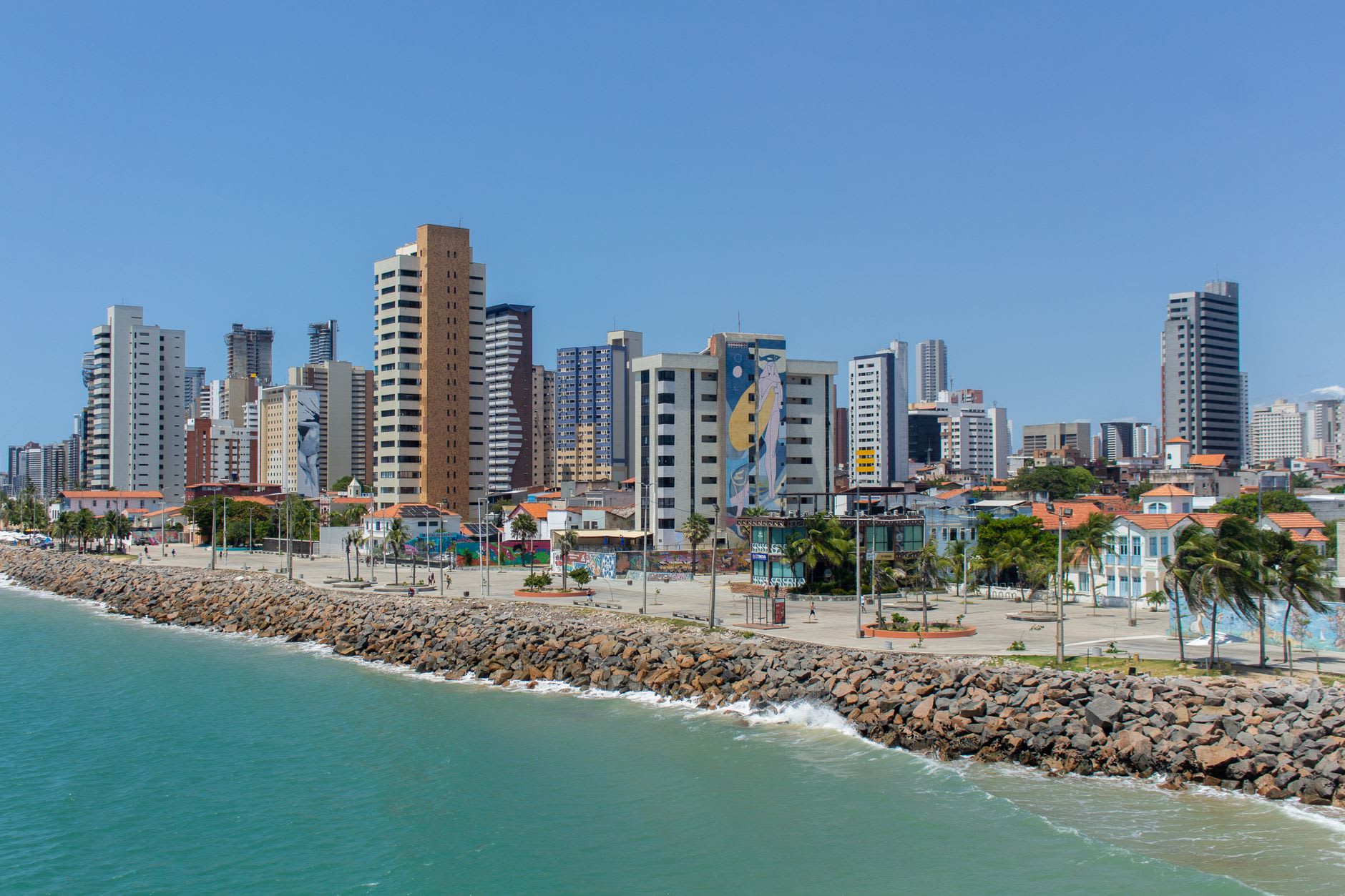
At dawn, the promenade at Praia de Iracema belongs almost entirely to the locals. Women in groups power-walking, older men fishing from the rocks, a capoeira group going through slow movements with extraordinary focus, vendors setting up their tapioca griddles. The light at that hour is the color of the inside of a papaya — warm orange coming off the water — and the whole mile-long promenade smells of salt and frying dough.
The city is also a transport hub for the surrounding coast. Jericoacoara is reachable by combination of bus and 4x4 in about five hours; Canoa Quebrada in three; the beaches of the Ceará coast in between are all accessible as day trips or overnight stops. Fortaleza serves as a base that makes the whole coastline navigable, and the city itself — honest, unhurried about impressing you, extraordinarily fed — is worth lingering in longer than most visitors do.
When to go: July through December for the trade winds, which keep the heat manageable. The city is livable year-round — temperatures rarely drop below 25°C even in the cooler months — but February through May brings heavier rains and more humidity. The forró clubs in the Benfica neighborhood run every weekend regardless of season and are worth investigating on any visit.