
There is no road into Atins. You arrive by boat up the Preguiças River from Barreirinhas — a two-hour journey through mangrove channels where the water is the color of strong tea and herons stand motionless at the banks. The boat is a flat-bottomed wooden skiff and the engine is loud and the river bends constantly so you never see more than a hundred meters ahead. By the time the sand spit appears and the village resolves itself from the tree line, you understand that you have arrived somewhere that requires effort to reach, and the effort is its own form of preparation.
Atins has perhaps five hundred permanent residents, a generator that runs from dusk until ten, and streets that are entirely sand — not unpaved roads transitioning to sand at the edges, but pure unmixed sand that the wind reshapes every night and the dogs and children track in every direction. The pousadas are simple: hammocks or low beds, cold showers from tanks on the roof, breakfast of tapioca with coalho cheese and fresh papaya. The owners all know when the boat arrives and one of them will usually be at the dock with a handwritten sign or simply recognize you as the person their mutual friend in Barreirinhas said was coming.
The kitesurfers came first — the wind at the mouth of the Preguiças River is consistent and the estuary flat water makes it ideal for learning. They brought a certain low-key, athletic energy that the village absorbed without being transformed by. You still eat whatever Dona Idalva is cooking that night (usually fish in a tomato and dendê oil broth, rice, fried yuca) and you still lose power at ten and you still hear roosters before the generator starts. The kitesurfers just arrived with better equipment and more sunscreen.
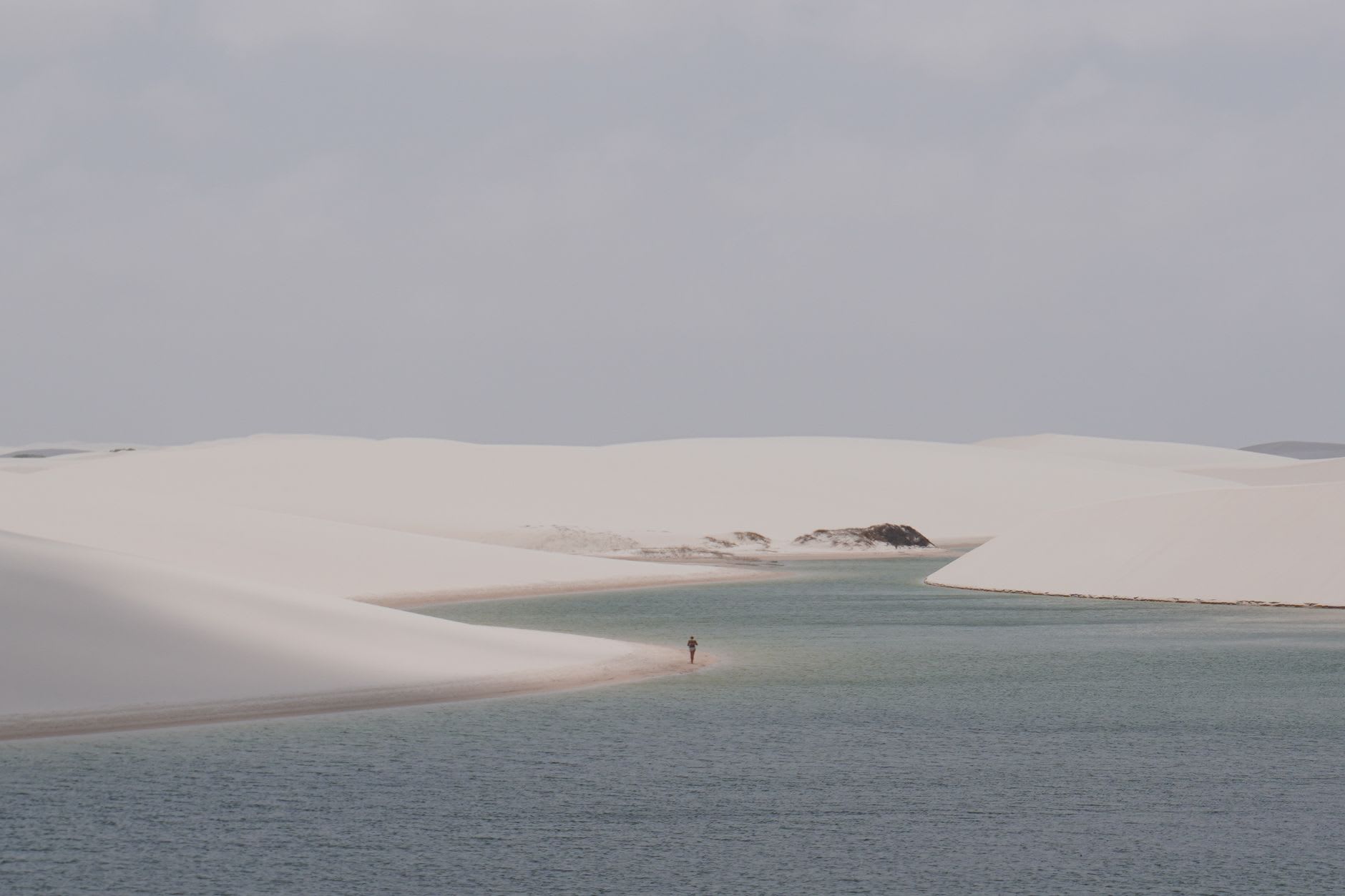
What Atins gives you that nothing else in Lençóis Maranhenses can is the walk. From the back of the village, the dune field begins immediately — no transition, no parking lot, no entry gate. You just walk out into it. The dunes to the east are the ones the tour groups visit from Barreirinhas; the ones accessible from Atins are less trafficked, the lagoons less signposted, the distances between them longer. I walked four hours one morning starting at first light, reaching a lagoon that I later couldn’t identify on any map, swimming in it alone for an hour, and walking back as the midday heat made the sand shimmer. I saw four other people the whole time and two of them were local.
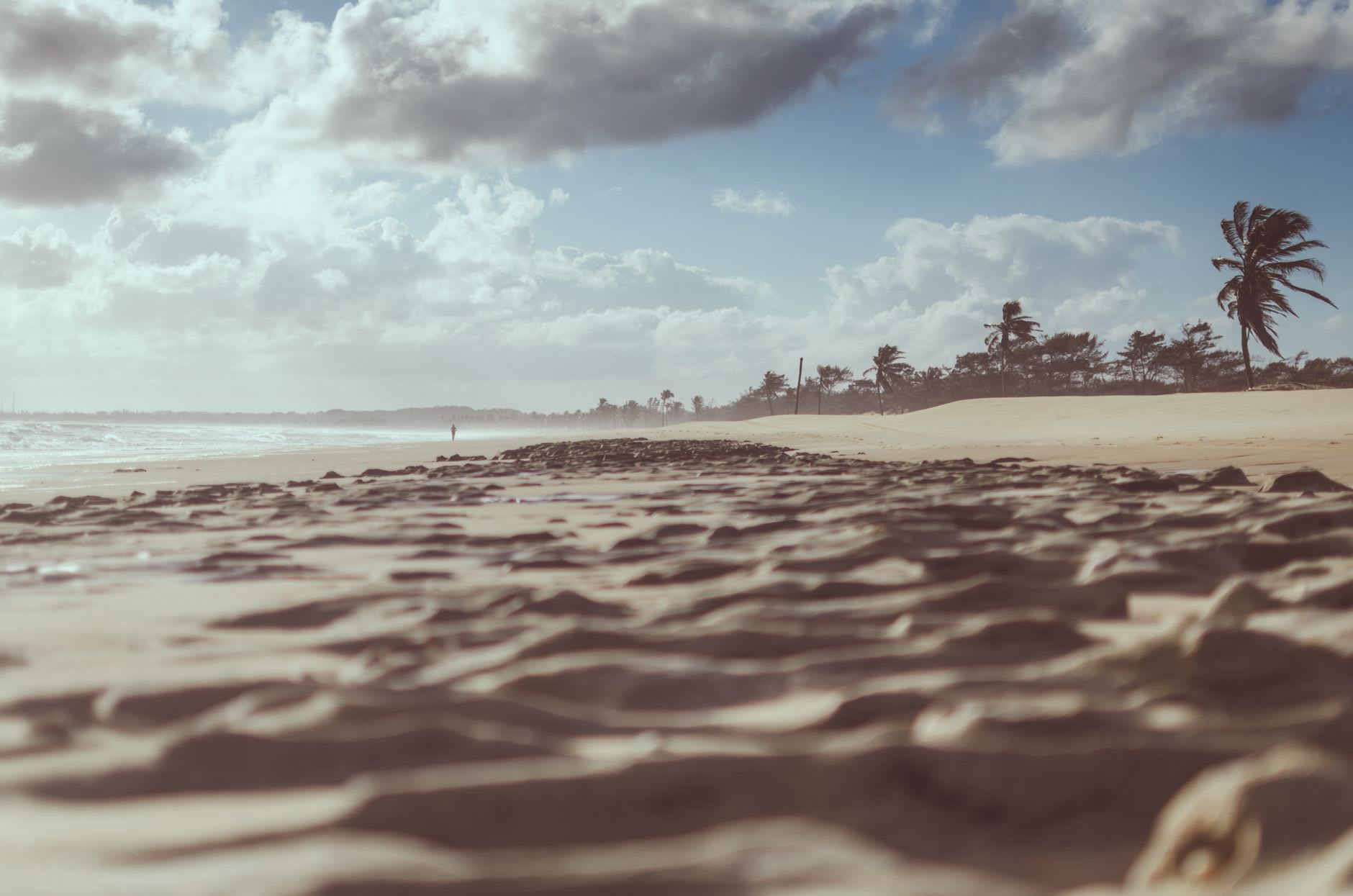
At dusk the whole village migrates to the beach at the river mouth without any particular reason or announcement. Fishermen haul nets, children play in the shallows, a man sells caipirinha from a cooler, and the sky over the Atlantic goes through the full color sequence while the kites come down one by one. It is the kind of evening that doesn’t feel like anything until you’re in the middle of it and you realize you haven’t checked your phone in six hours.
When to go: July through September for peak lagoon conditions — the dunes are full of color-saturated freshwater pools and the walk into the interior is spectacular. The winds for kitesurfing run strongest from July to December. Atins is accessible year-round but the river crossings and trails become harder in the rainy season (January to May). Book pousadas well in advance for July and August — there are fewer than ten options and they fill quickly.