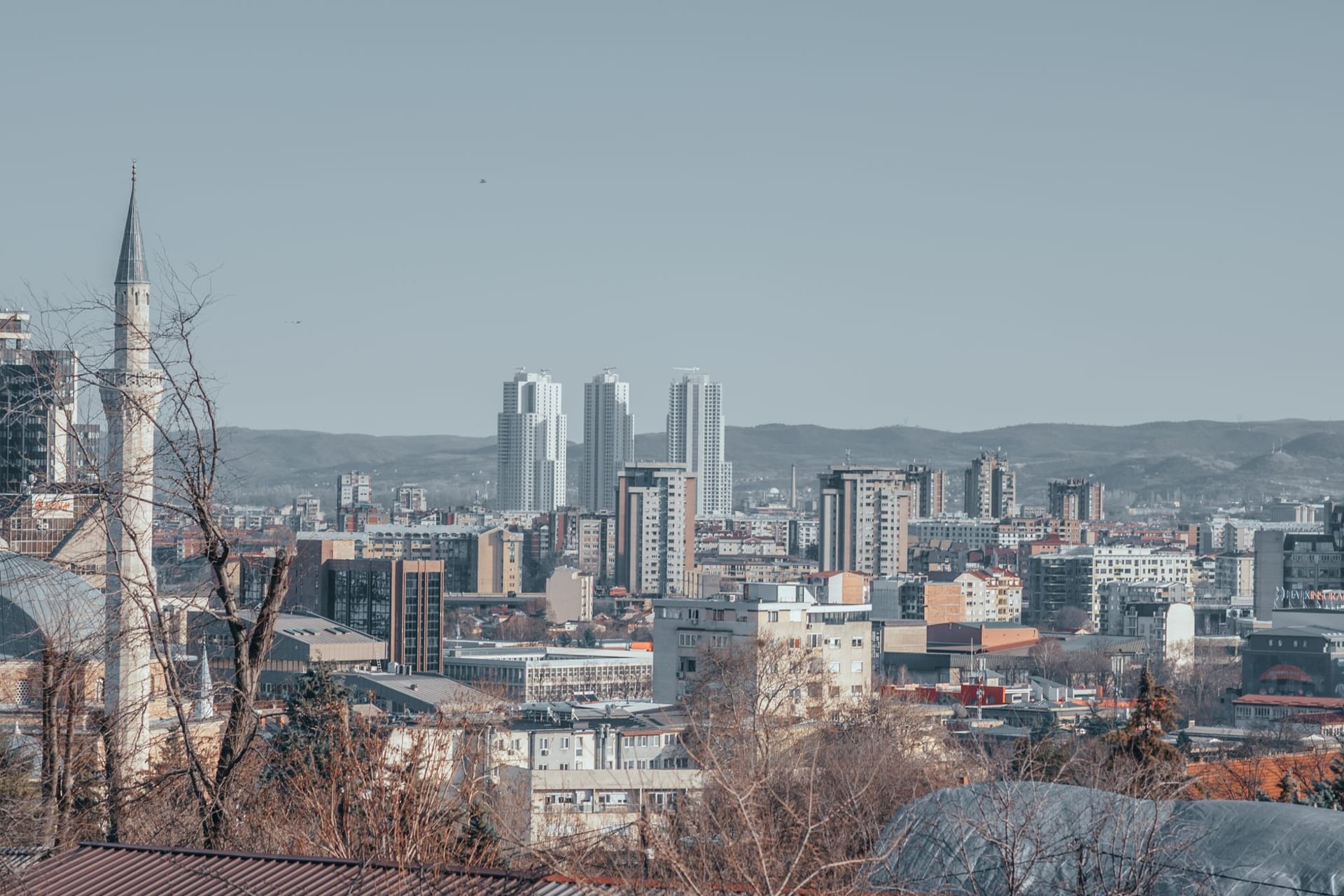
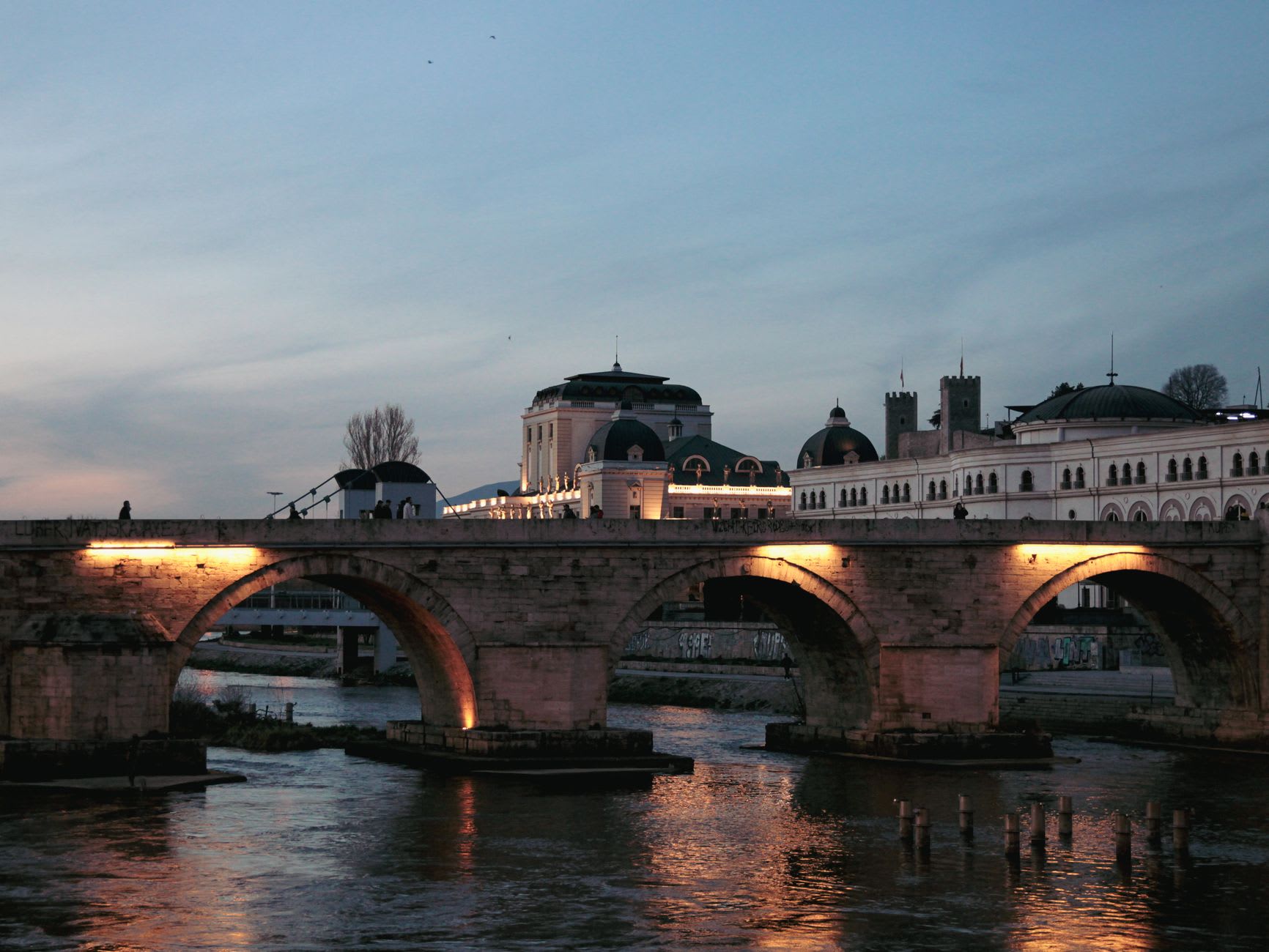
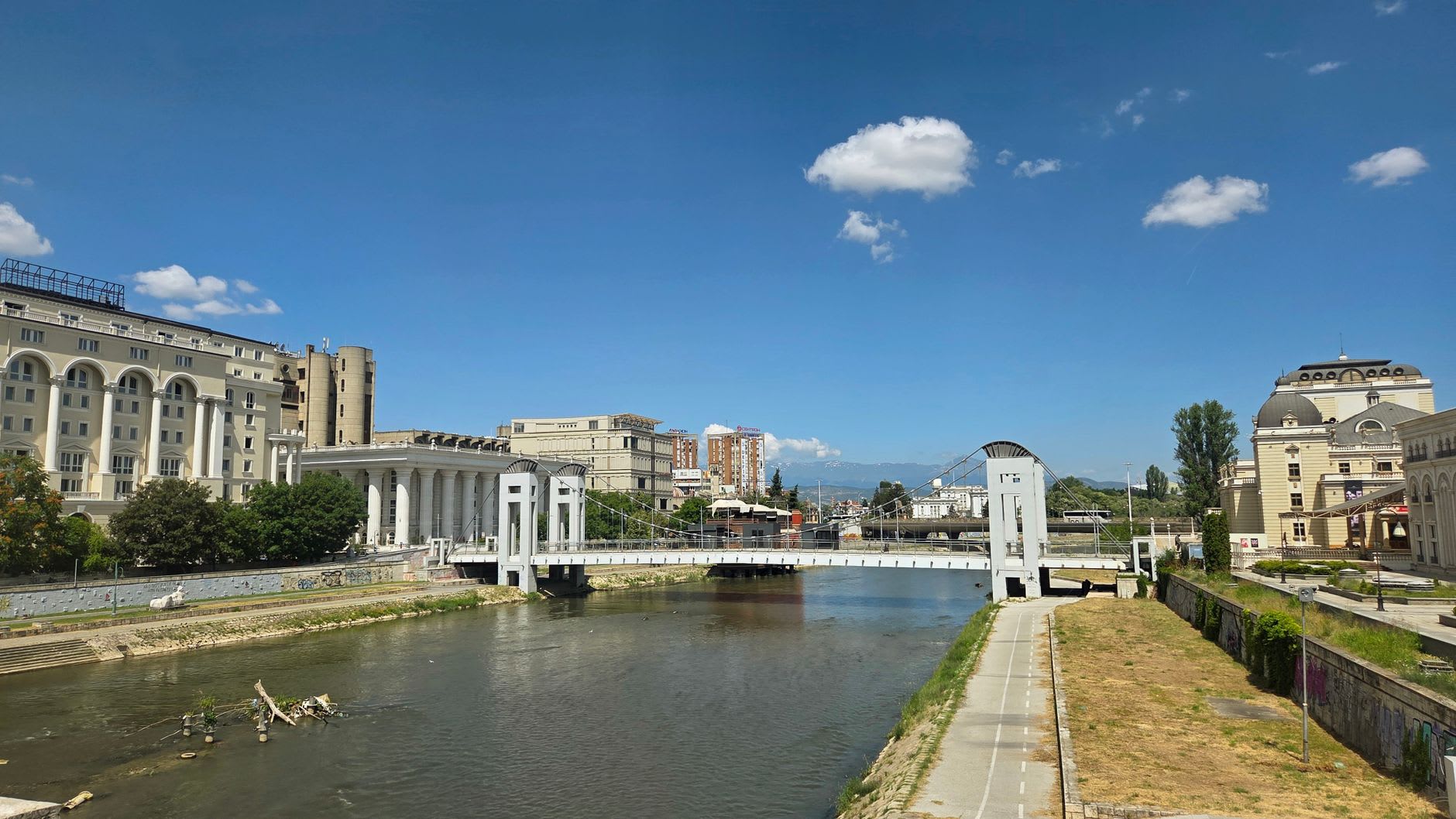
The first thing Skopje does is confuse you, and I think it does this deliberately. Coming out of the bus station, you walk along the riverfront and pass an aggressively marble-white neoclassical facade after another — warriors on horseback, triumphant arches, fountains with gods — all of it erected during the so-called Skopje 2014 project, an attempt to give the country a grander historical identity that backfired so spectacularly it has become a kind of accidental art installation. I stood in front of a statue of Alexander the Great — himself officially renamed a “warrior on a horse” to avoid diplomatic complications with Greece — and genuinely laughed. But then I crossed the Stone Bridge over the Vardar River, and Skopje became a different city entirely.
The Old Bazaar — Čaršija — is the heart Skopje deserves. It is one of the largest and best-preserved Ottoman bazaars in the Balkans, a labyrinth of covered lanes and open courtyards where you move from a coppersmith to a leather workshop to a tea house in the space of thirty metres. The smells layer themselves as you walk: roasting chestnuts, tanning leather, grilled meat from the burek stands, the sweetness of baklava from the confectionery shops where trays are piled high with pistachios and honey. I spent an afternoon inside the Daut Pasha Hammam, which no longer operates as a bathhouse but houses a gallery of Macedonian art, the paintings hung in the domed stone rooms where steam once condensed on the ceiling. There was nobody else there. I walked from room to room in the cool silence feeling faintly like I was trespassing on the fourteenth century.
The Mustafa Pasha Mosque is a few streets further up the hill, set in a garden with an ancient plane tree whose trunk has reached a girth that implies several centuries of patience. The mosque was built in 1492 — the same year Columbus crossed the Atlantic, which is the kind of historical coincidence that reshuffles your chronology — and the interior is austere in the best possible way: a single large space under a painted dome, light coming in through high windows, the wooden gallery for women dark and cool above. I sat on the stone steps outside and watched a family take photographs of the plane tree, the grandmother explaining something to the grandchildren with the emphatic arm gestures of someone who has had to repeat this explanation before.
Skopje’s food scene is more interesting than you’d expect from a city that has spent the last decade arguing about its own identity. The restaurants in the Čaršija serve tavče gravče, skara platters, and shopska salads that arrive with a fistful of crumbled white cheese. A few streets further, past the bazaar’s edge, a newer generation of restaurants and wine bars has appeared, places serving Macedonian wines from the Tikveš region — bold reds that taste of something ancient and sun-baked — alongside small plates that owe something to the broader Mediterranean without losing their local character. I ate exceptionally well for very little money, which is perhaps the most consistent fact about this entire country.
When to go: April and May are ideal — mild, uncrowded, and the hills above the city are still green. October brings a second pleasant window. Summer in Skopje can be genuinely brutal, with temperatures pushing past 40°C in July and August; the Čaršija’s covered lanes offer some relief, but the heat is a real consideration.