
Saint Naum Monastery
"The springs here rise through the lake floor. It's the kind of fact that sounds invented until you're in the water, watching them."
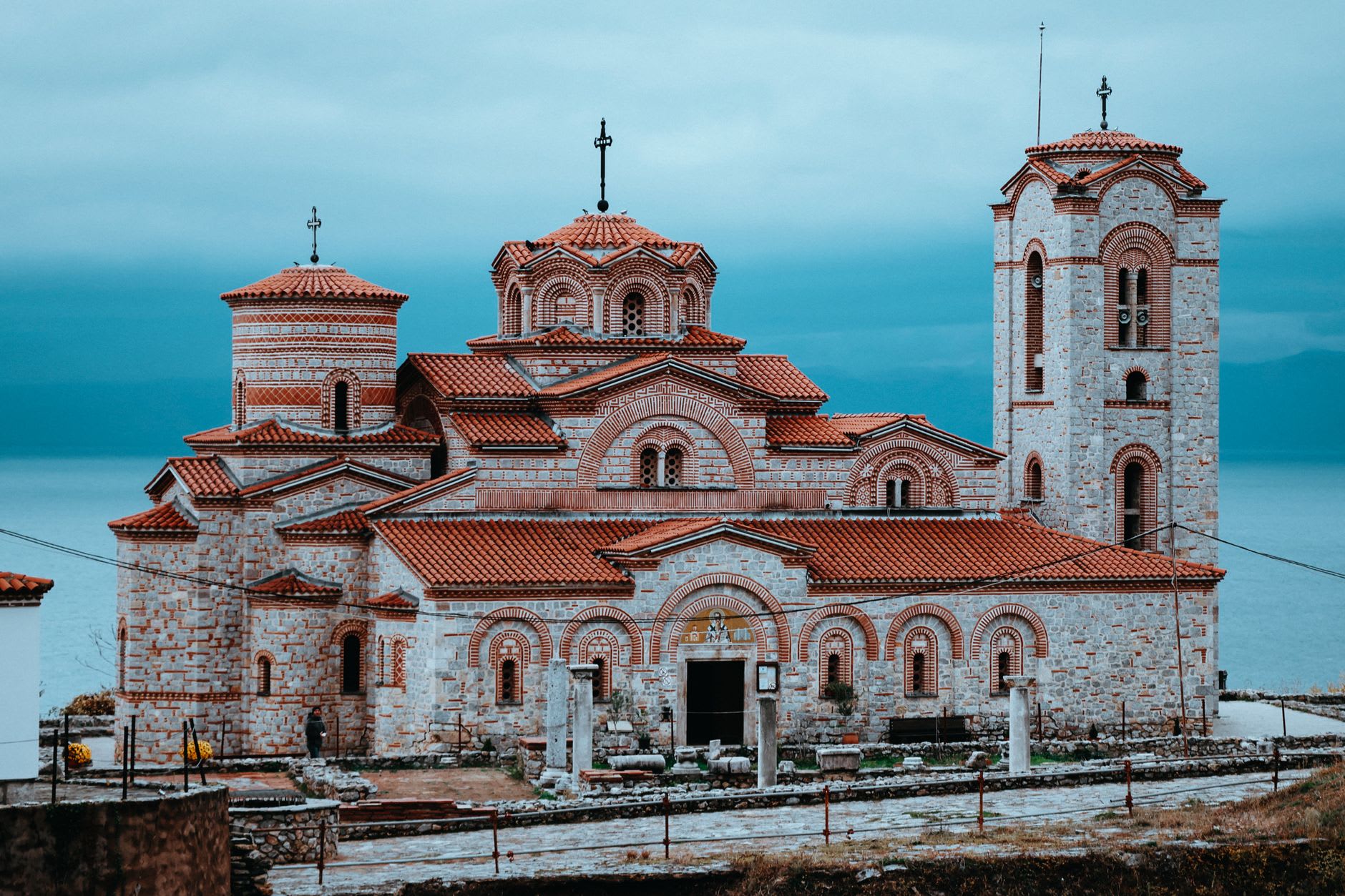
The boat from Ohrid takes forty-five minutes down the lake, hugging the Albanian shore where the cliffs drop straight into the water, and you arrive at Saint Naum the way the monastery seems to want you to arrive — from the water, with the white towers and red roofs appearing first above the tree canopy, then the whole complex rising as the boat rounds a headland. I had taken the bus once, which works fine, but the boat is a different experience entirely: the lake around Sveti Naum is at its widest and deepest at the southern end, and the water has a darkness to it that the northern end near Ohrid doesn’t quite achieve, a depth that you feel rather than see.
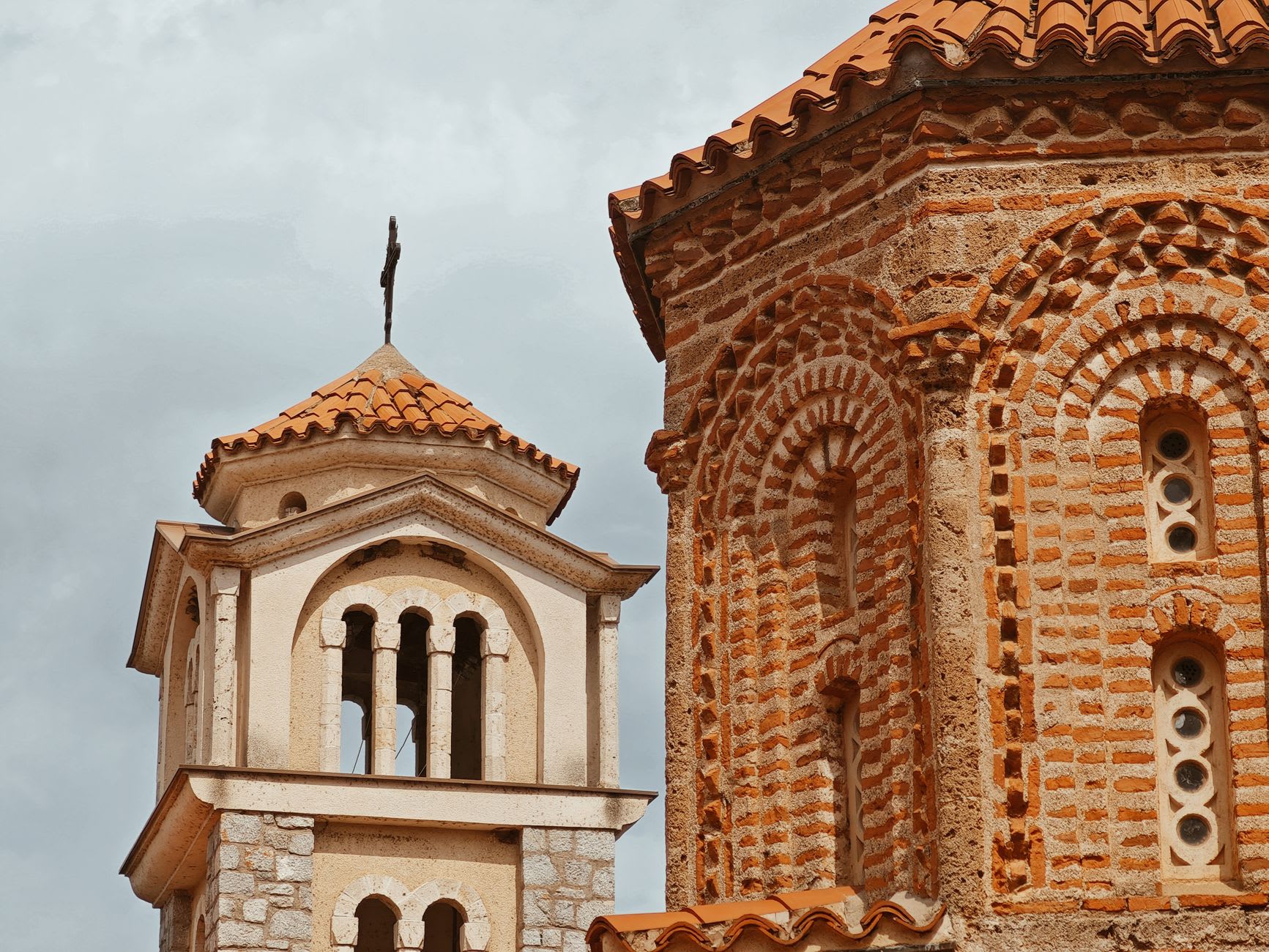
The monastery itself was founded in the tenth century by Saint Naum, a disciple of Saints Cyril and Methodius — the men who invented the Glagolitic alphabet and thus, indirectly, the Cyrillic script that half of Europe uses. Saint Naum is buried here, inside the church, in a marble tomb that pilgrims lean against with their ear pressed to the stone, claiming you can hear his heart beating. I did not hear anything, but the belief is so ancient and so calmly held by the people doing it that arguing would feel rude. The church interior is small and low-ceilinged and painted floor to ceiling in frescoes that have the quality of something whispered rather than stated.
What nobody adequately prepares you for is the springs. The Ohrid spring system feeds into the lake here from underwater sources, and in the shallows near the monastery you can see them: columns of cold clear water bubbling up from the sandy lake floor, making the surface tremble in small circles. I hired one of the flat-bottomed boats that the monastery operates and had the boatman pole me slowly over the spring area. Looking down through the clear water at those columns of cold rising up from invisible depths, with the mountains of Albania visible just a kilometre away across the border, I felt something that I can only describe as a kind of temporal dizziness — the sense of standing at a point where deep time and the immediate present exist simultaneously.
The monastery gardens are tended by a community that keeps peacocks — three or four of them, wandering the paths between the ancient plane trees with a proprietary slowness that suggests they have been doing this for centuries. I watched one spread its tail on the steps of the church entrance, the feathers iridescent green and blue in the afternoon light, while a group of visitors photographed it with the slightly frenzied attention you give to something that shouldn’t be as beautiful as it is. A monk walked past without looking up. The peacock closed its tail and continued its inspection of the garden.
When to go: May and September offer the monastery at its best — warm enough for the boat from Ohrid to be pleasant, uncrowded enough to spend time at the springs without jostling. The monastery becomes very busy in late July and early August, particularly on the feast day of Saint Naum (July 3 by the old calendar, which is July 16 by the new one), when pilgrims arrive in numbers.