Kokino
"I stood on a 3,800-year-old throne and watched the sun rise exactly where a Bronze Age priest once said it would."
A Bronze Age observatory on a volcanic hilltop where stone thrones and solstice markers still track the sun 3,800 years later.
I almost didn’t make the detour. Kokino sits well off the main road in northeastern North Macedonia, and the drive up involves enough switchbacks that Lia kept asking if we were lost. We weren’t — we were just climbing an extinct volcano that, it turns out, doubled as one of the most precise astronomical instruments of the Bronze Age. Nobody knew that until 2001, when a local archaeologist named Jovica Stankovski noticed something odd about the markings on the summit rocks and realized he’d stumbled onto an observatory nearly 3,800 years old.
What got me wasn’t the age, it was the precision. Carved notches and stone seats align with the horizon so exactly that whoever built this could predict the solstices and equinoxes down to the day, just by watching where the sun broke over the ridgeline. NASA later put Kokino on its short list of the world’s most significant ancient observatories, next to Stonehenge and Abu Simbel, which is a strange thing to read on a plaque in the middle of rural Macedonian farmland with sheep grazing below.
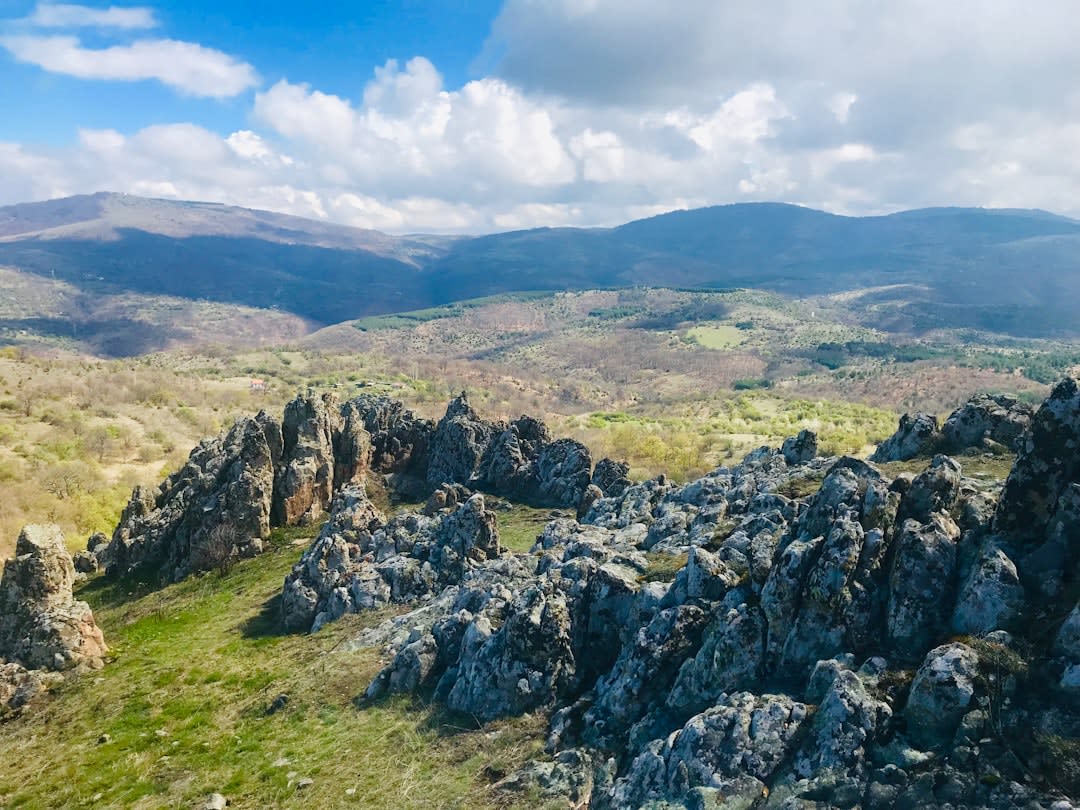
We climbed up to where the stone thrones are cut directly into the rock, four of them, worn smooth by whoever sat there presiding over ceremonies tied to these solar observations. I sat down in the one they say belonged to the ruling elite, more out of curiosity than reverence, and Lia took a photo of me looking unreasonably pleased with myself. The view from up there does something to you though — you can see for miles across the valley, and it’s easy to understand why a Bronze Age community would have chosen this exact hill to watch the sky from.
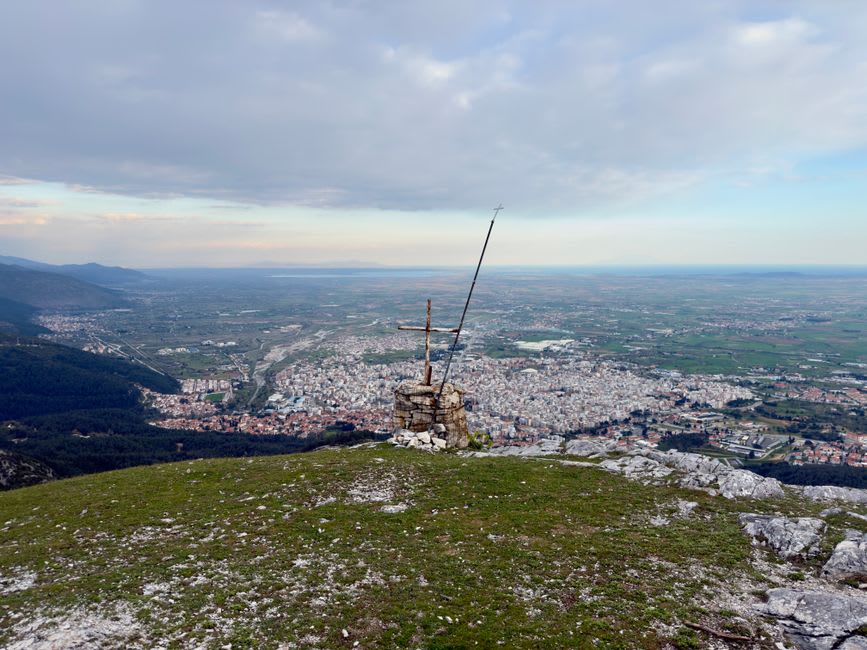
There’s almost nothing built up around the site, no gift shop, no crowds, just the wind and a small sign explaining what you’re looking at. That absence of spectacle is part of what makes Kokino stick with me. This is one of the only prehistoric observatories ever identified in the Balkans, and standing there, I felt closer to the people who built it than I ever have at a more famous ruin.
When to go: Time your visit to the June or December solstice if you want to see the alignments actually work, sunrise hitting the markers exactly as intended, but honestly any clear morning between April and October gives you the hilltop, the view, and the quiet almost to yourself.
Keep exploring
More from North Macedonia
 north-macedonia
 Kruševo
The highest town in the Balkans, where a failed 1903 uprising left behind the world's smallest republic and an outsized sense of its own place in history.
Explore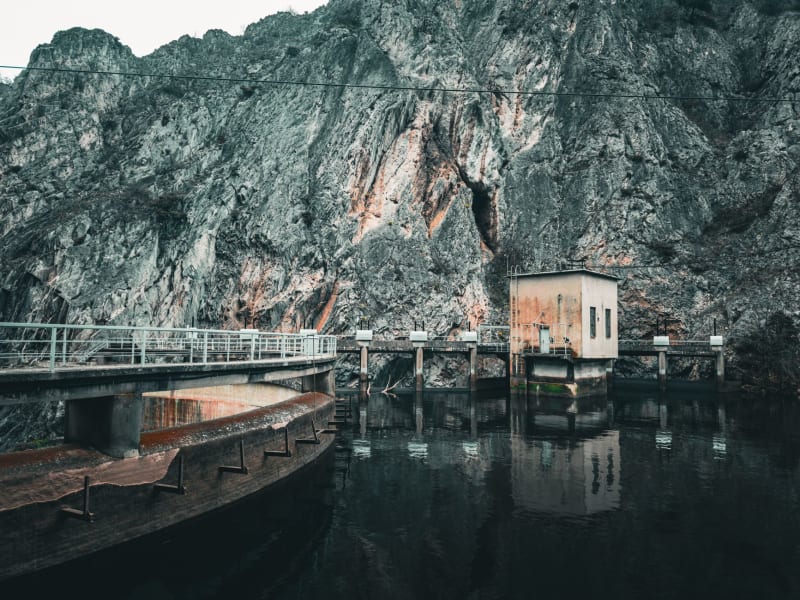 north-macedonia
 Matka Canyon
Twenty minutes from the capital, a gorge so steep and quiet it feels like a different country — and possibly a different century.
Explore north-macedonia
 Mavrovo National Park
Mountain Macedonia at its most untamed — deep pine forests, a drowned church in a reservoir, and monasteries built into impossible cliffs.
Explore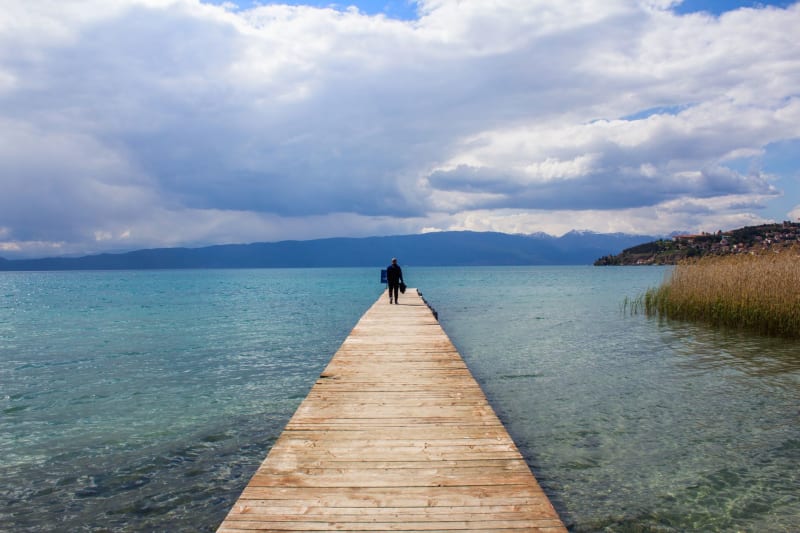 north-macedonia
 Ohrid
A 4-million-year-old lake, 365 Byzantine churches, and water so clear it makes the word 'transparency' feel like an understatement.
Explore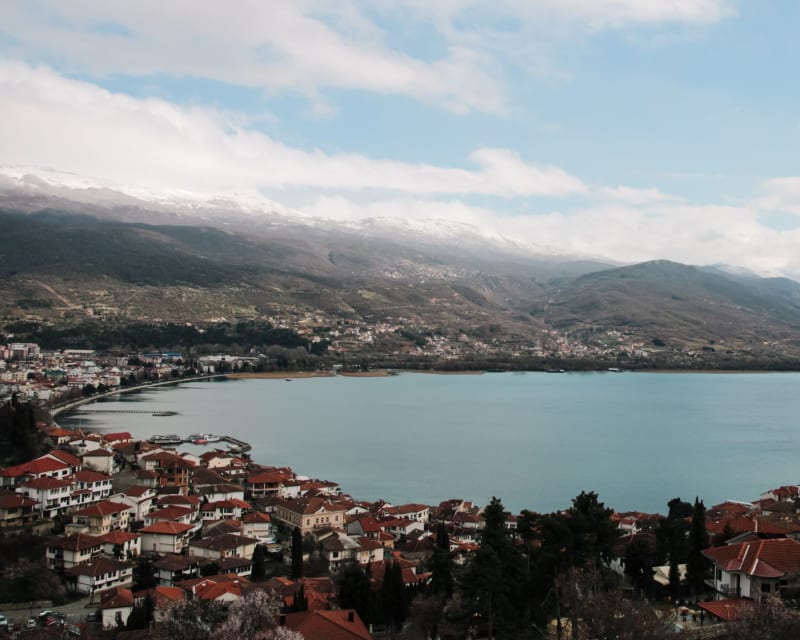 north-macedonia
 Prespa Lakes
Two ancient lakes at the meeting point of three countries, where pelicans fish in shallow reeds and border crossings dissolve into migratory bird routes.
Explore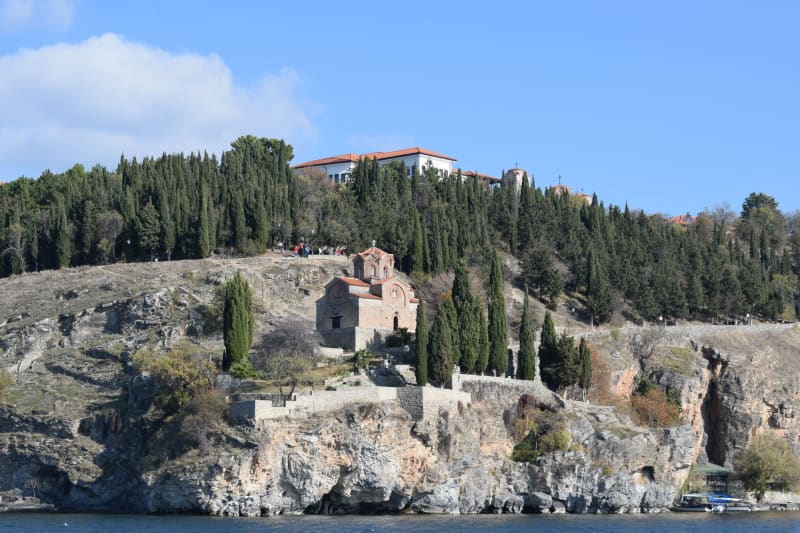 north-macedonia
 Saint Naum Monastery
A medieval monastery at the Albanian border where springs bubble up through the lake bed and peacocks wander the monastery gardens like they own them.
Explore