Chongjin
"I've never felt further from anywhere, and I've never wanted to write it all down so badly."
A gritty industrial port frozen in time, where steel furnaces and coastal fog outline one of North Korea's most rarely seen cities.
I’ll admit I didn’t think we’d actually make it to Chongjin. Lia and I had been warned, more than once, that the city sits on a short list of places in North Korea that occasionally cracks open to outsiders and then, just as quickly, closes again. When our guide confirmed the itinerary the night before, I lay awake in our hotel room in Pyongyang running through everything I’d read about the place — third-largest city in the country, a port the Japanese built up during the occupation to move iron ore out of the Musan mines. None of that reading prepared me for the sound of it: the low industrial hum that never really stops, even at the edges of the city where the apartment blocks give way to scrubby coastal hills.
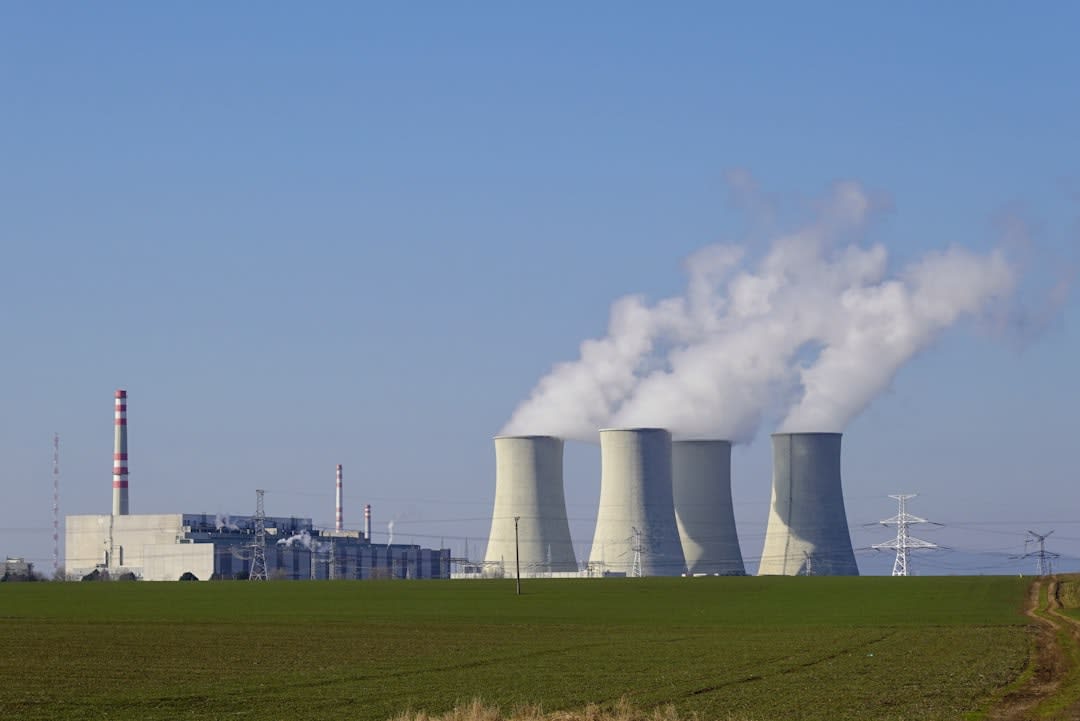
The Kim Chaek Iron and Steel Complex is the first thing you notice, honestly, before you notice much else. Our van slowed near it and I pressed my forehead to the window like a kid, watching steam rise off the stacks against a sky the color of wet concrete. Our guide told us it’s named after a military commander, said with the kind of civic pride I imagine a Pittsburgh local might use for a steel mill their grandfather worked in. I didn’t take a single photo I was fully confident about — we’d been told to be careful around anything that read as strategic — but I remember Lia grabbing my sleeve and just nodding at the scale of it, the way the complex seemed to swallow an entire section of the horizon.
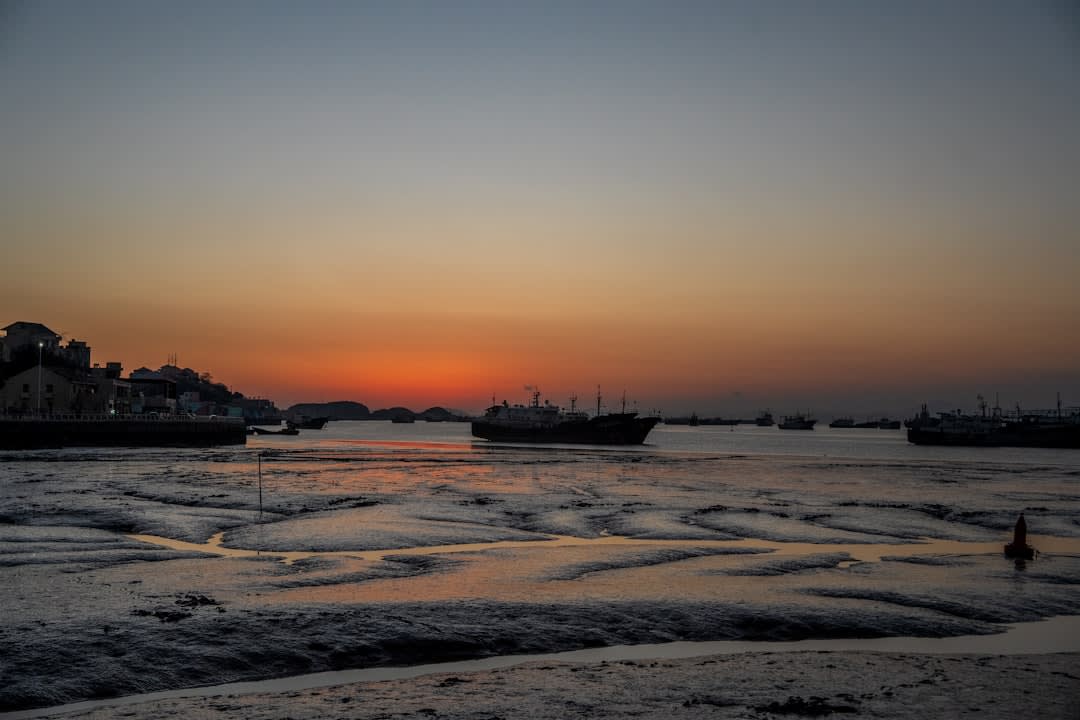
What surprised me most was the coastline. I’d pictured Chongjin as pure heavy industry, but we ended up walking along a stretch of the port in the early evening where the water turned a soft gray-gold and fishing boats sat low against the piers. For a few minutes it looked like any other aging port city I’d wandered through in my twenties — Le Havre came to mind, oddly, or parts of the Basque coast before the tourists arrived. Then a loudspeaker crackled somewhere behind us and the illusion snapped right back into place. That contrast, gorgeous and unsettling within the same ten minutes, is the truest thing I can tell you about Chongjin.
We ate dinner that night at a small restaurant our guide clearly chose with care, some kind of grilled fish with a chili paste that Lia still brings up whenever we talk about North Korea. I don’t know when, or if, we’ll get to go back — access to Chongjin has always been unpredictable, tied to permissions that shift without much warning. But I’ve carried a strange fondness for that city ever since, the kind you feel for a place that let you see something it usually keeps to itself.
When to go: September gave us mild, walkable weather along the coast, though I’d check current tour permissions closely before planning around it — Chongjin opens and closes to visitors with little notice.
Keep exploring
More from North Korea
 north-korea
 Hamhung
North Korea's second city, an industrial giant on the northeastern coast whose people make the country's chemicals and fertilizer and cook the best cold noodles you will ever eat.
Explore north-korea
 Kaesong
A Goryeo-dynasty city so close to the southern border that on clear days you can see the South Korean guard posts, and the old men here have stopped looking.
Explore north-korea
 Mount Chilbo
A remote coast in the country's far northeast where eroded rock pinnacles drop straight into the Sea of Japan and a state-run homestay lets you sleep in an actual village.
Explore north-korea
 Mount Kumgang
A granite mountain range so beautiful that both Koreas once agreed to put politics aside for it — until they didn't, and the silence returned, deeper than before.
Explore north-korea
 Mount Myohyang
A Buddhist mountain of thousand-year-old temples where the mist comes down thick enough to make you forget, for a moment, which century you're in.
Explore north-korea
 Mount Paektu
A volcanic crater lake at 2,744 meters that Koreans on both sides of the border regard as the geographic soul of their civilization — and that the regime treats as a birthplace of gods.
Explore