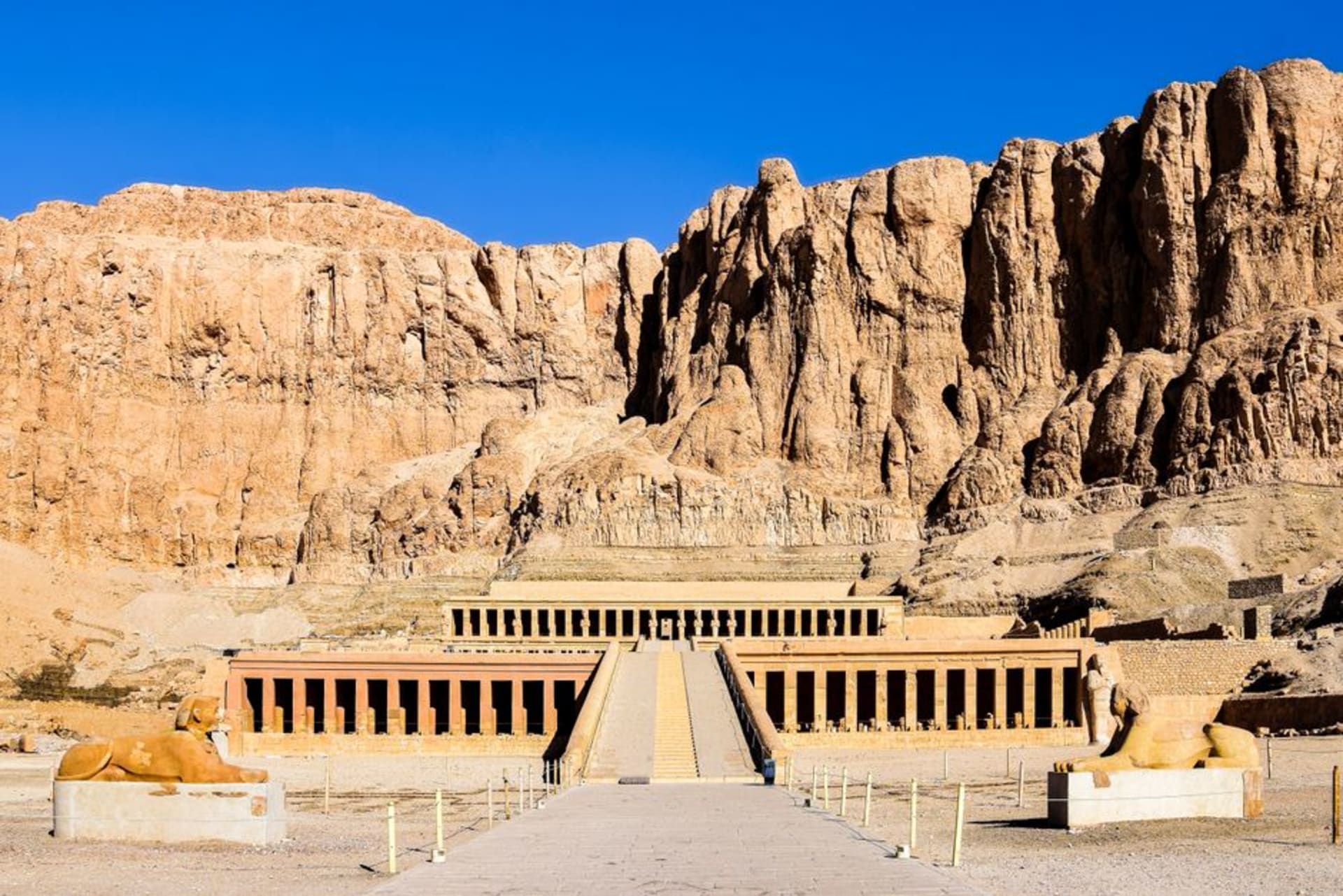
A quieter, painted counterpart to the Valley of the Kings, where Nefertari's tomb still holds some of Egypt's most vivid colors.
We crossed the Nile early, before the heat had a chance to build, and drove out to the west bank where the road climbs into a dry, bleached valley the ancient Egyptians called Ta-Set-Neferu — “place of beauty.” Lia had read that name to me the night before from a guidebook in our hotel room in Luxor, and I remember thinking it sounded almost too soft for a place surrounded by so much bare rock. But standing at the mouth of the valley, watching the light hit the cliffs, I understood it. About ninety tombs are cut into this ground, resting places for queens, princes, and princesses of the 18th to 20th Dynasties, and workers from the nearby village of Deir el-Medina carved most of them by hand.
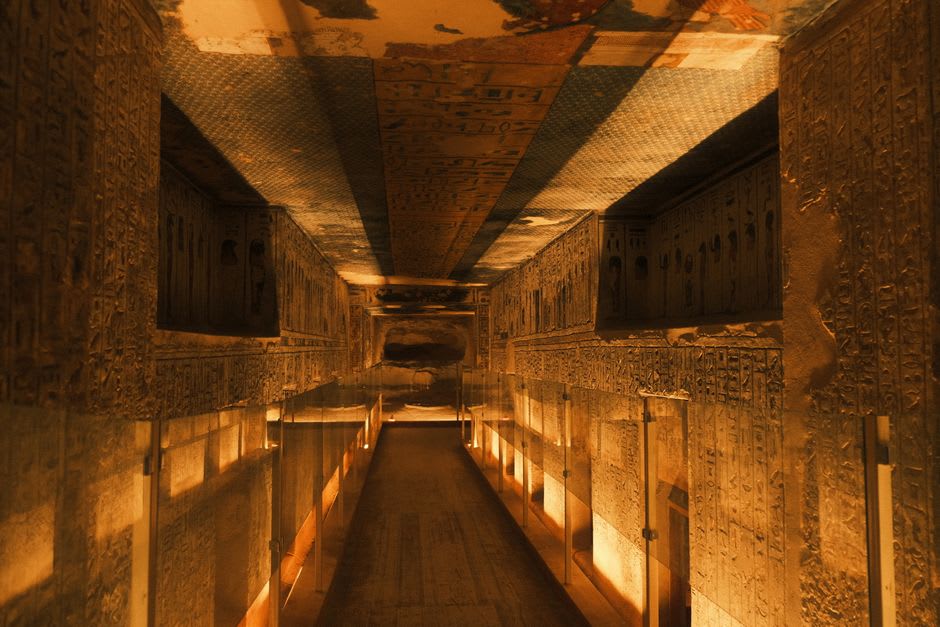
We’d booked our slot for Nefertari’s tomb weeks in advance — visitor numbers are capped to protect the plaster, and you pay for it separately from the general valley ticket. I’ll admit I was skeptical that anything could live up to the hype. Then we walked down the stairs into the burial chamber and I just stopped. The colors were unreal: deep blues, ochres, and reds still holding their pigment after more than three thousand years, Nefertari painted mid-gesture, offering to the gods, her face calm and almost amused. Ernesto Schiaparelli found this tomb in 1904, and I kept thinking about what it must have felt like for him, lowering a lamp into that silence and seeing those walls for the first time.
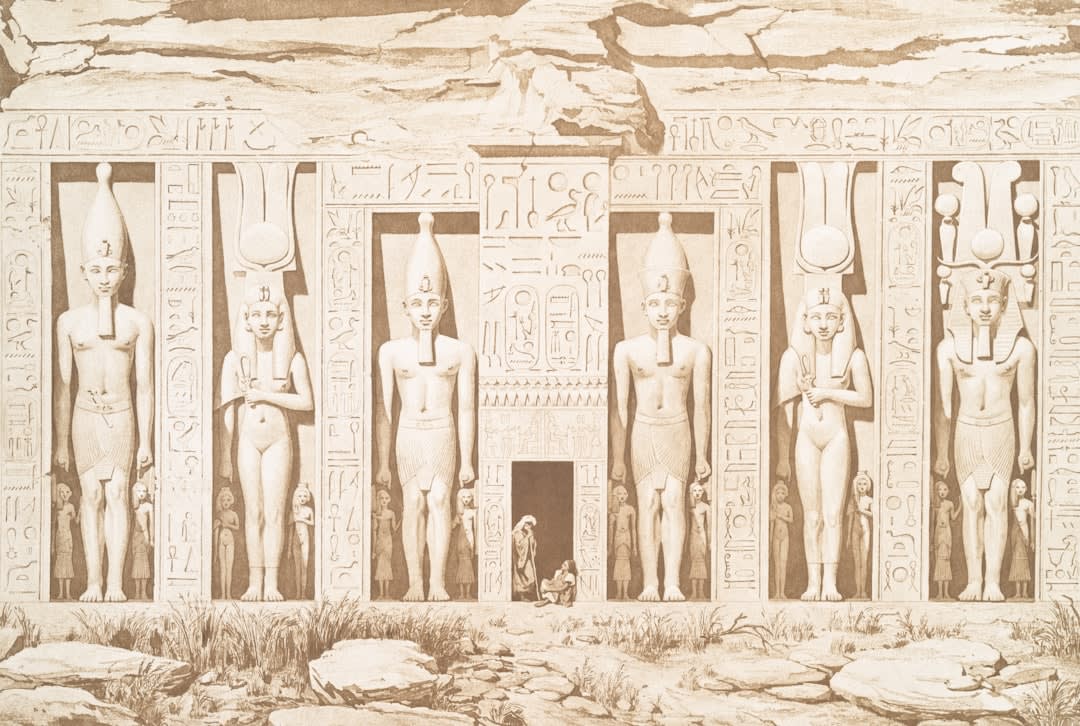
Outside again, the heat had picked up, and we sat for a while in whatever shade we could find near the entrance, drinking warm water from our bottles and watching a group of local guides trade jokes in the shade of a rock overhang. Lia pointed out how different this valley felt from the Valley of the Kings we’d visited two days earlier — smaller, quieter, fewer tour buses, the tombs feeling more intimate rather than monumental. We wandered into a couple of the smaller, unrestricted tombs afterward, princes and lesser-known queens, and even without Nefertari’s brilliance they had their own quiet dignity, faded outlines of offerings and gods still traceable on the walls.
By midday we were back at the entrance, sunburned and a little dazed, sharing a bag of dates we’d bought at a stall in Luxor the day before. I don’t think either of us said much on the drive back to the boat — some places just ask for silence afterward.
When to go: Aim for October through April, when the desert heat is bearable enough to actually linger in front of the paintings — and book your Nefertari tomb slot well ahead, since the daily visitor cap fills up fast.