Tanis
"We had the entire lost city of Tanis to ourselves — just us, the fallen obelisks, and a guard who seemed surprised anyone had come."
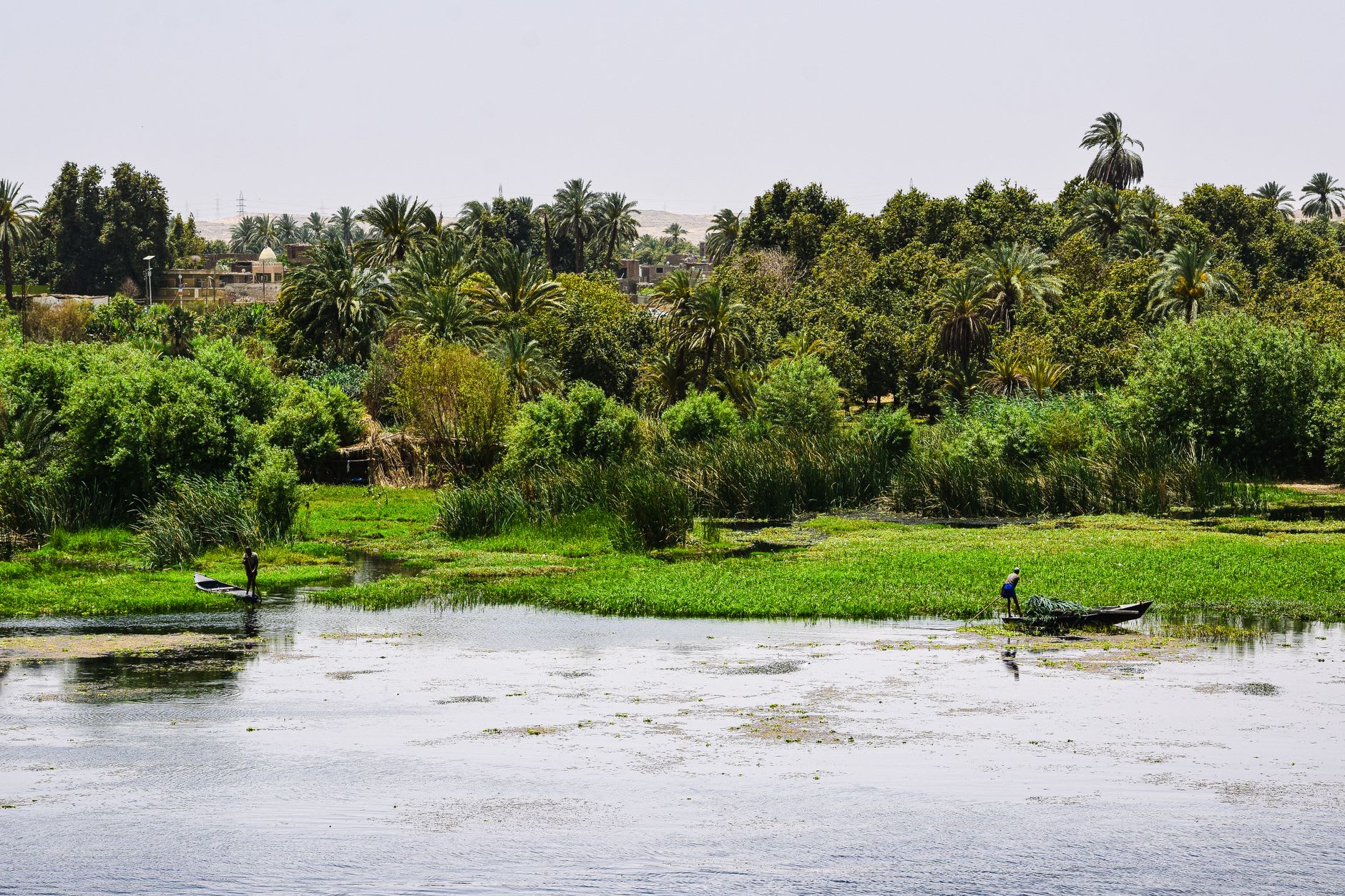
If you grew up watching Indiana Jones, you know the name Tanis even if you do not know you know it. This is the lost city the film buries under a sandstorm. The real San el-Hagar, a couple of hours northeast of Cairo in the Sharqia governorate, is not buried under anything dramatic — it is simply ignored. While the tour buses queue at Giza, this enormous site sits in agricultural Delta country, surrounded by canals and cotton fields, almost entirely free of visitors. We arrived mid-morning and there was exactly one other car in the dirt lot. A guard unlocked a gate, waved vaguely at a field of toppled stone, and left us to it.
A field of fallen giants
What that field contains is genuinely staggering. Tanis was the capital of Egypt during the Twenty-first and Twenty-second Dynasties, a northern rival to Thebes, and its rulers furnished it by recycling — they dragged colossal statues, obelisks and granite blocks here from older sites like Pi-Ramesses, so the ground is littered with monuments bearing the cartouches of Ramesses II reused by pharaohs who came centuries after him. The result is chaos in stone. Broken colossi lie face-down in the sand. Obelisks have toppled and shattered into segments you can walk along like fallen tree trunks. Hieroglyphs you would queue an hour to photograph in Luxor lie here at your feet, sun-bleached and unguarded, with a wagtail hopping across them.
I am not going to pretend it is a tidy, interpreted, signposted experience. There is almost no signage, the labels that exist are faded, and you will get far more from it if you read up beforehand or, better, bring a guide who knows the site. But there is a particular thrill — one I had almost forgotten was possible in modern Egypt — in clambering over a four-thousand-year-old capital with nobody telling you where to stand.
The royal tombs nobody talks about
The detail that stops Egyptologists in their tracks is this: in 1939 and 1940, the French archaeologist Pierre Montet uncovered intact royal tombs here, complete with silver coffins and gold funerary masks rivalling Tutankhamun’s. The discovery is barely known because it was announced as the world tumbled into war and the news was drowned out by other matters. The treasures are now in the Egyptian Museum in Cairo, but the tomb chambers themselves remain at Tanis, low underground rooms you can sometimes descend into, lined with reliefs, cool and silent after the glare above.
Lia stood in one of these chambers and said, very quietly, that it felt stranger than the famous tombs precisely because nobody was there to share the strangeness with. She was right. We spent two hours and saw three other people, and on the drive back through the green Delta I kept thinking about how arbitrary fame is — how the same objects, found a year earlier, might have made Tanis a household word.
When to go: October to April for bearable temperatures; the Delta summer is humid and punishing. Visit as a long day trip from Cairo, ideally with a driver and a guide, since public transport is awkward and the site rewards context. Bring water, sun protection and sturdy shoes — you are walking on rubble, not pavement.