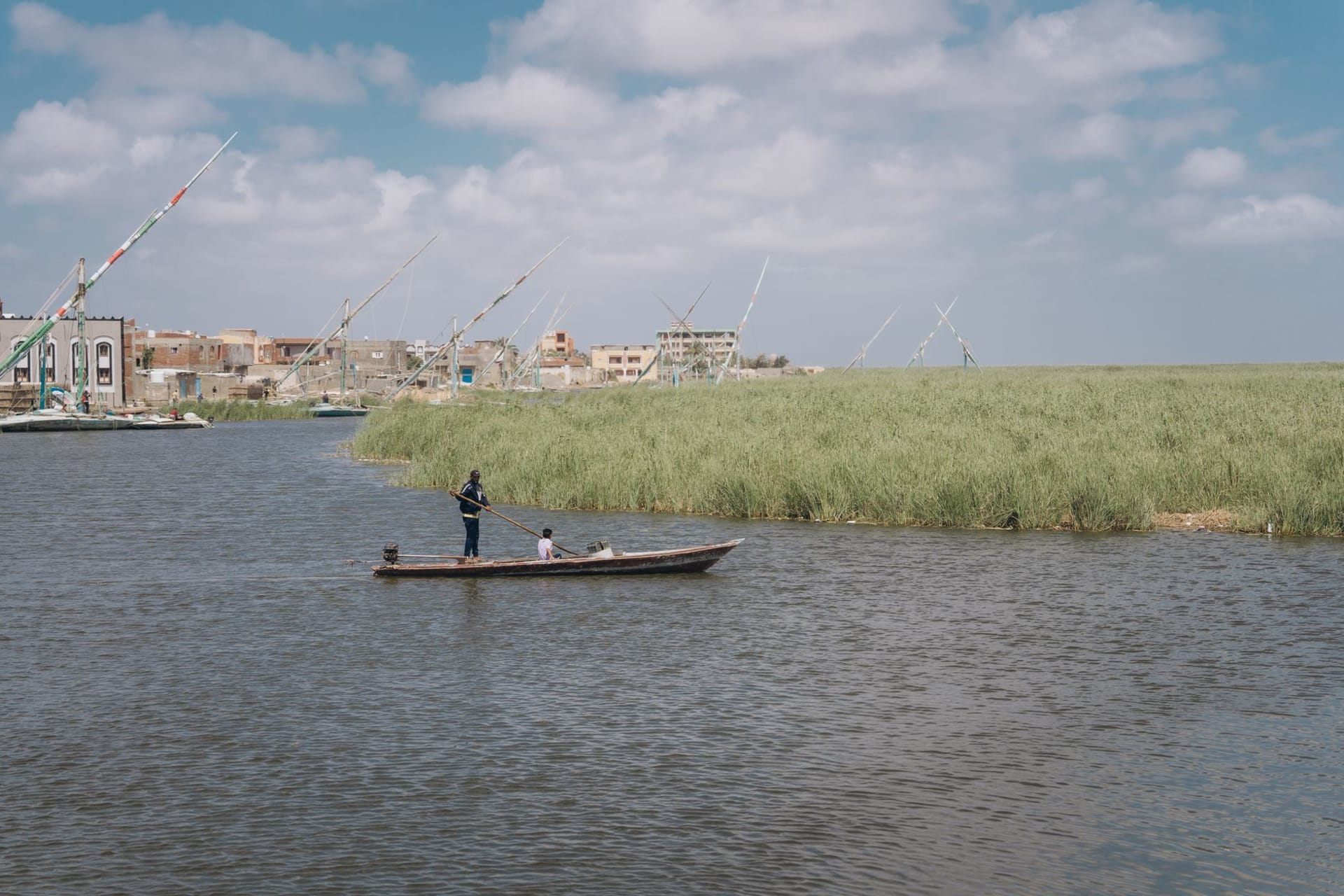
Kafr el-Sheikh
"There are cities where the land is something you leave behind when you arrive. Kafr el-Sheikh is not one of them."
I arrived in Kafr el-Sheikh on a morning in late October when the cotton harvest was ending and the rice paddies were still flooded, and the drive from the bus station to the center of town ran through such a concentration of agricultural landscape — fields on both sides, irrigation canals every hundred meters, men with wooden plows and women sorting cotton by hand in the roadside shade — that I felt I had arrived not in a city but at the moment before a city, in the place where the city and the land are still deciding who absorbs whom. Kafr el-Sheikh is the provincial capital of the governorate that bears its name, which stretches across the northern central Delta between the two main branches of the Nile. It is a comfortable, unhurried city and it does not particularly want anything from you.
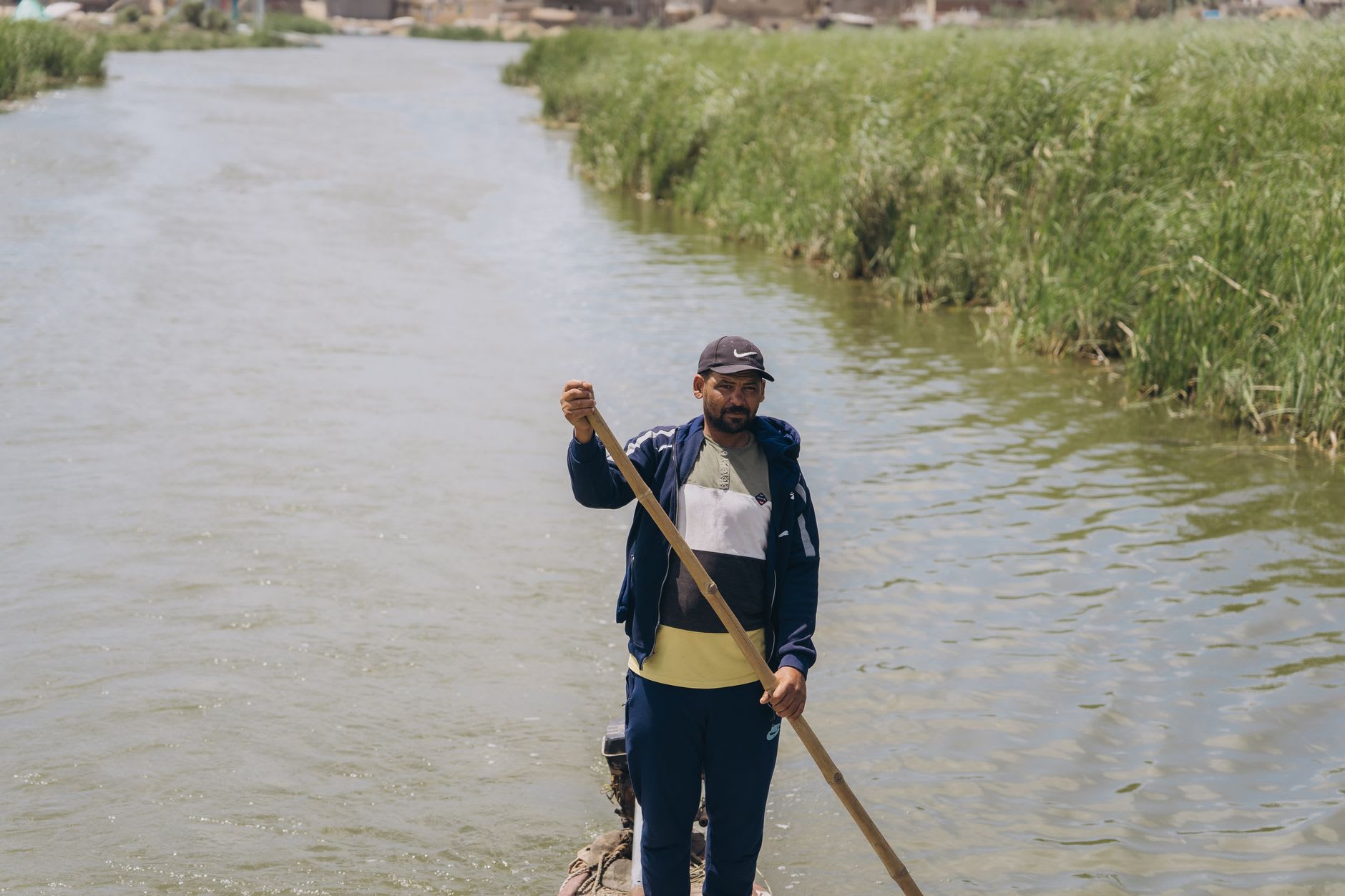
The city itself is modest and functional — a main street with government buildings and market stalls, a few side streets of tile-fronted residential blocks, a riverine quarter that leads down to one of the network of irrigation canals that bisects everything in this part of the Delta. But the approach to the city, and the roads out of it in every direction, are extraordinary. You are never more than five minutes from open agricultural land here, from the smell of irrigated earth and the sound of water moving through concrete channels. The rice paddies in October are still largely flooded and the egrets work them in groups, stabbing at the shallows with the mechanical efficiency of dedicated professionals.
I ate my best meal in Kafr el-Sheikh entirely by accident. I wandered into a market street near the edge of town following the smell of cumin and frying oil and found a small restaurant — three tables, a wood fire, a man who ran the whole operation himself — that served nothing but a single daily dish. That day it was hamam — pigeons, slow-braised with rice and herbs and served whole on a bed of freekeh, the green wheat that has a smoky, grassy flavor that I have never satisfactorily eaten anywhere outside of Egypt. The pigeons were small and dark and rich. The freekeh was nutty and savory. The bread was flatbread cooked directly on the fire grate. I ate it all and then sat for a while feeling the specific contentment of having eaten exactly the right thing.
The bird market that operates on Fridays in the southern edge of Kafr el-Sheikh is one of those weekly events that reveals the underlying economy and daily life of a place more clearly than any museum could. Pigeons, ducks, geese, chickens, and a variety of other birds I could not identify are sold in wooden cages that are stacked floor to ceiling in a covered market where the noise is extraordinary — every bird contributing to a collective sound that is neither unpleasant nor ignorable. Farmers buy breeding stock; restaurateurs buy birds for the week; families buy a single duck for a specific occasion. Transactions are quick and confident. The birds appear to accept their circumstances with the equanimity of creatures that know the world is what it is.
When to go: October through March. The cotton harvest in October and November brings a particular energy to the city and the surrounding villages. The rice paddies flood from July onward and the flooding is beautiful, but summer heat is brutal. The Friday market operates year-round and is worth planning around.