Damietta
"I arrived smelling diesel and fish and citrus. That combination, I think, is what the Delta actually smells like at its most honest."
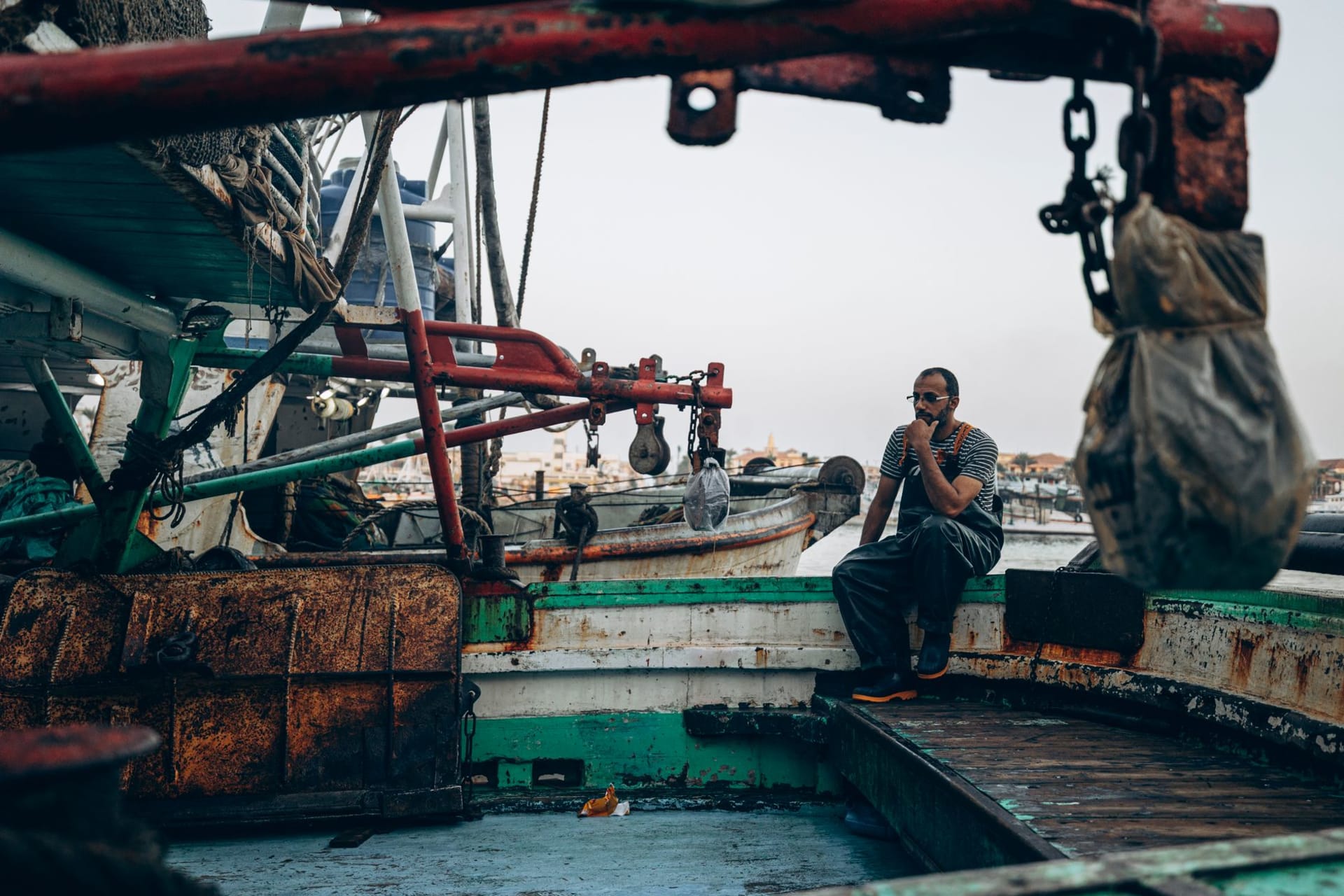
I came into Damietta by bus from Cairo at six in the morning, and the light was still thin and blue and the city was already completely awake. The fish market near the harbor opens before dawn, and the smell of it — briny and sharp and vaguely sweet in the way that fresh fish is sweet before it stops being fresh — reached me before I could see the stalls. Men were moving crates on wooden trolleys, the wheels grinding on wet concrete, and the vendors called out prices in a rapid-fire dialect I could not follow but that I recognized by its rhythm as the language of commerce at its most essential. I bought a small packet of roasted seeds from a boy who materialized at my elbow and stood there eating them and watching the sun come up over the river.

Damietta has a complicated history — it was besieged three times during the Crusades, bombarded by the French in the nineteenth century, and rebuilt over and over — but you would not know it walking the old town. What you see instead is a living, breathing, loudly functional city. The thing Damietta is famous for now is furniture. The entire eastern quarter of the city is given over to furniture workshops and showrooms: enormous carved wooden bedroom sets, ornate gilded mirrors, wrought-iron chairs with cushions in colors that exist only in the Damietta palette. The sound of lathes and sanders runs underneath everything, and the air in that quarter has a fine sawdust quality to it that gets into your lungs and stays. I walked through it in the afternoon, completely lost, stopping to watch craftsmen inlay geometric patterns into cabinet doors with a precision that seemed to require a different relationship with time than the one I have.
The food in Damietta runs heavily toward the sea. Bouri — grey mullet — is the local obsession, grilled whole with cumin and coarse salt and served with bread and sliced tomatoes. The fish comes from the Nile, from the Mediterranean, from Lake Manzala just south of the city, and each source gives a slightly different flavor that locals can apparently distinguish on first bite. I could not, but I tried three versions in one day and did not mind the failure.

In the evening the Corniche along the eastern branch of the Nile fills with families. This is not the tourist Corniche of Alexandria but its working-class cousin — cheaper tea, louder radios, children chasing each other around benches while their parents eat sunflower seeds and argue amiably. Feluccas cross the river in the gathering dark. The lights of the far bank come on one by one. A boy was flying a kite that kept catching the river wind and pulling hard against the string, and I watched him for a long time because he was managing it with an expertise that seemed disproportionate to his age, and also because there was nothing else I needed to be doing right then.
When to go: October through April. Damietta is a working city and receives visitors year-round, but the summer months bring oppressive humidity from the nearby lake and coast. November is ideal — comfortable days, cool evenings, and the fish markets at their most abundant after the autumn harvest.