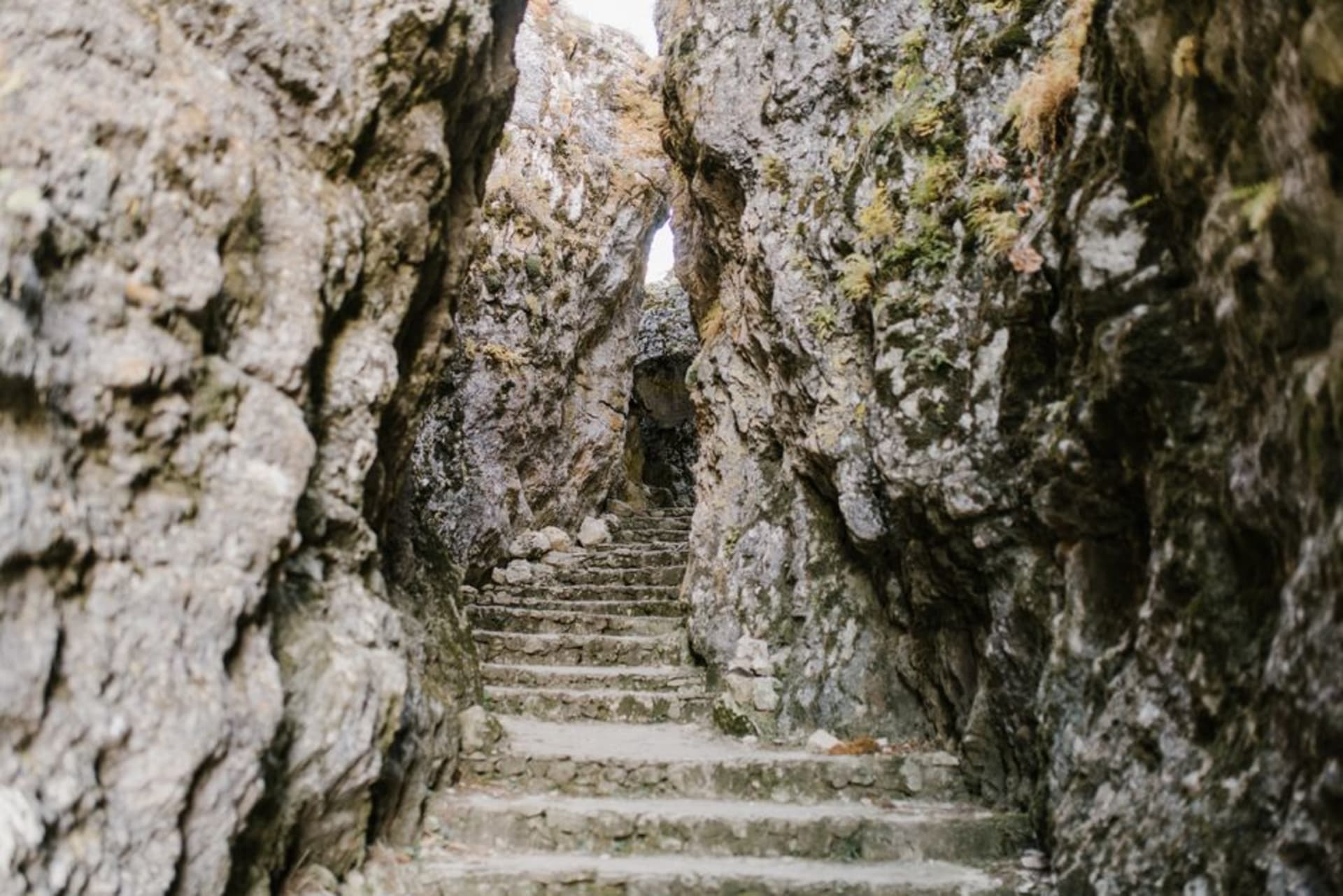
A sacred limestone cave system in Anambra State, reached by 317 steps through rainforest and steeped in Igbo history.
I counted the steps for the first fifty or so, then gave up and just let my legs do the work. Someone in Onitsha had told me there were 317 of them cut into the hillside down to Ogbunike, and I believed it the moment my knees started complaining. Lia was ahead of me, stopping every so often to touch the buttress roots that crowded the path, and the forest kept getting thicker and darker as we dropped, the noise of the road above fading into birdsong and dripping water. By the time we reached the mouth of the cave, sweat-soaked and slightly disoriented, I understood why the local Igbo community still treats this place as sacred rather than as a tourist attraction that happens to have shrines in it.
Our guide, a young man named Chidi who’d grown up in the village above, walked us through the first few chambers with a small torch and a lot of patience for my questions. He told us that during the transatlantic slave trade and later during intertribal conflicts, people hid in these very passages — the caves branch into more than a dozen interconnected chambers, and a stranger could get lost in them within minutes without someone who knew the way. Streams ran cold and clear along the cave floor, and at one point we waded through ankle-deep water while Chidi pointed his light at a chamber ceiling that disappeared into blackness above us.
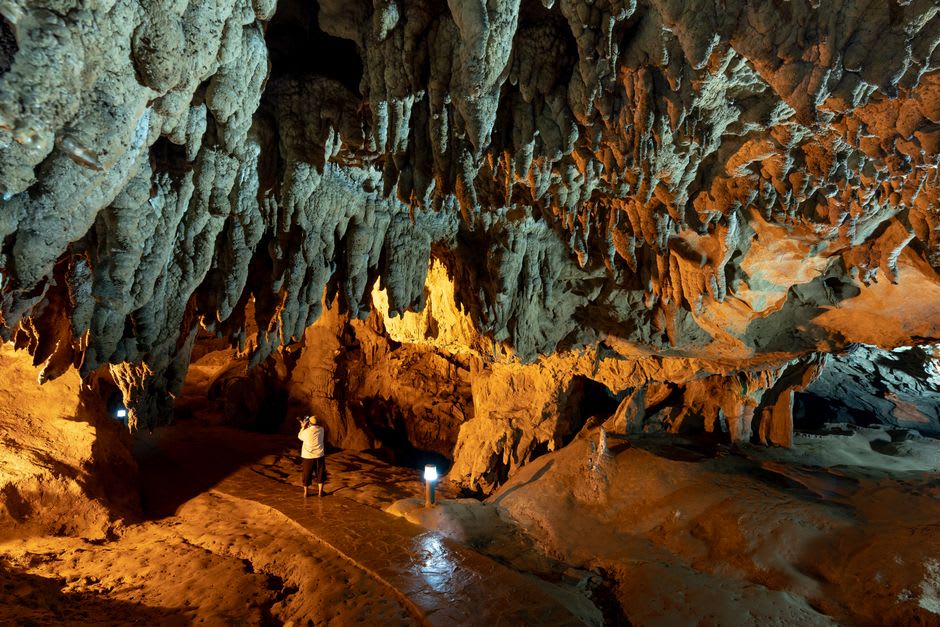
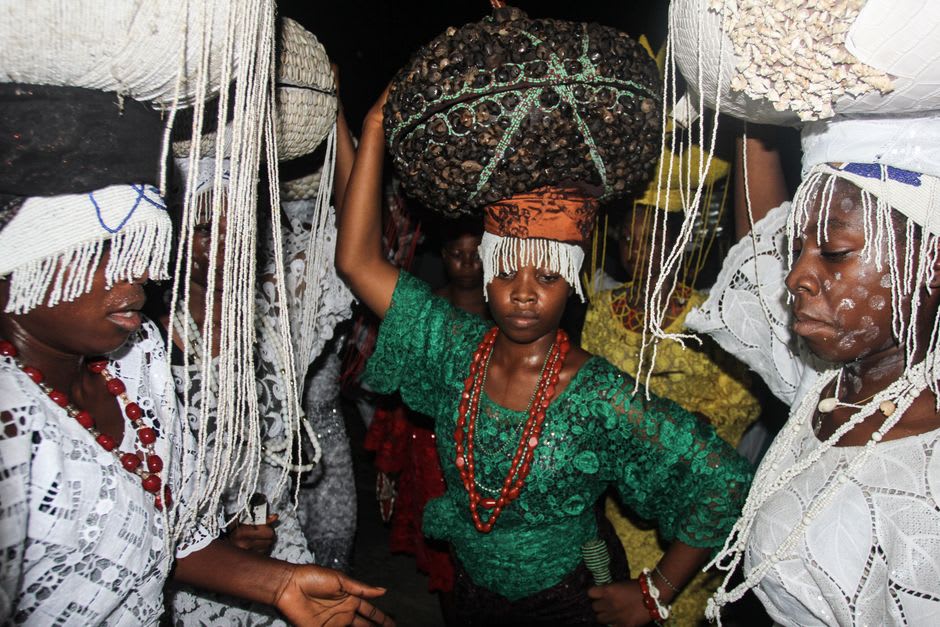
What stayed with me longest wasn’t the geology, though the limestone formations were extraordinary in their own dripping, prehistoric way. It was the sense that we were guests in a place that still means something to the people who live around it. Chidi mentioned the annual Ogbunike Cave Festival almost in passing, and I regretted immediately that we’d missed it — apparently pilgrims and tourists alike pack the trail down for days of ceremony. I made a mental note to come back for it, the way you promise yourself you’ll return to a restaurant you loved but probably never will.
Climbing back up those 317 steps was, unsurprisingly, worse than going down. We stopped twice to catch our breath and let a group of schoolchildren overtake us without effort, laughing at how slowly the two visitors were moving. I didn’t mind. Ogbunike is on UNESCO’s tentative World Heritage list, and standing at the top afterward, looking back down at the canopy that swallows the entrance whole, I could see exactly why.
When to go: Aim for the dry season, roughly November through March — the steps get slick and the streams inside swell during the rains, and you’ll want your footing sure on that climb back up.