Africa
Nigeria
"Nothing I'd read prepared me for how alive this place actually feels."
The first thing I noticed arriving into Lagos was the sound. Not noise exactly — though there is plenty of that — but a kind of collective frequency, a hum of ten million overlapping lives pressed together on a strip of land between a lagoon and the Atlantic. The airport at Murtala Muhammed is chaos in the most instructive sense: you watch strangers negotiate, joke, argue, and dissolve into laughter in the span of thirty seconds, and you understand immediately that the social bandwidth here operates on a register most places simply don’t have.
Lagos is the obvious entry point and it earns every superlative thrown at it, but it can also swallow you whole if you treat it as the whole country. I spent two days in Lekki eating suya from a roadside grill — the beef skewers charred over hardwood coals, dressed with ground spice that builds slowly and then all at once — and talking to a fashion designer who showed me his atelier above a printing shop in Yaba. The creative scene in Lagos is not emerging; it already emerged, years ago. The rest of the world is catching up. Afrobeats, Nollywood, contemporary art, fashion — all of it being made with an urgency and confidence that is, frankly, infectious.
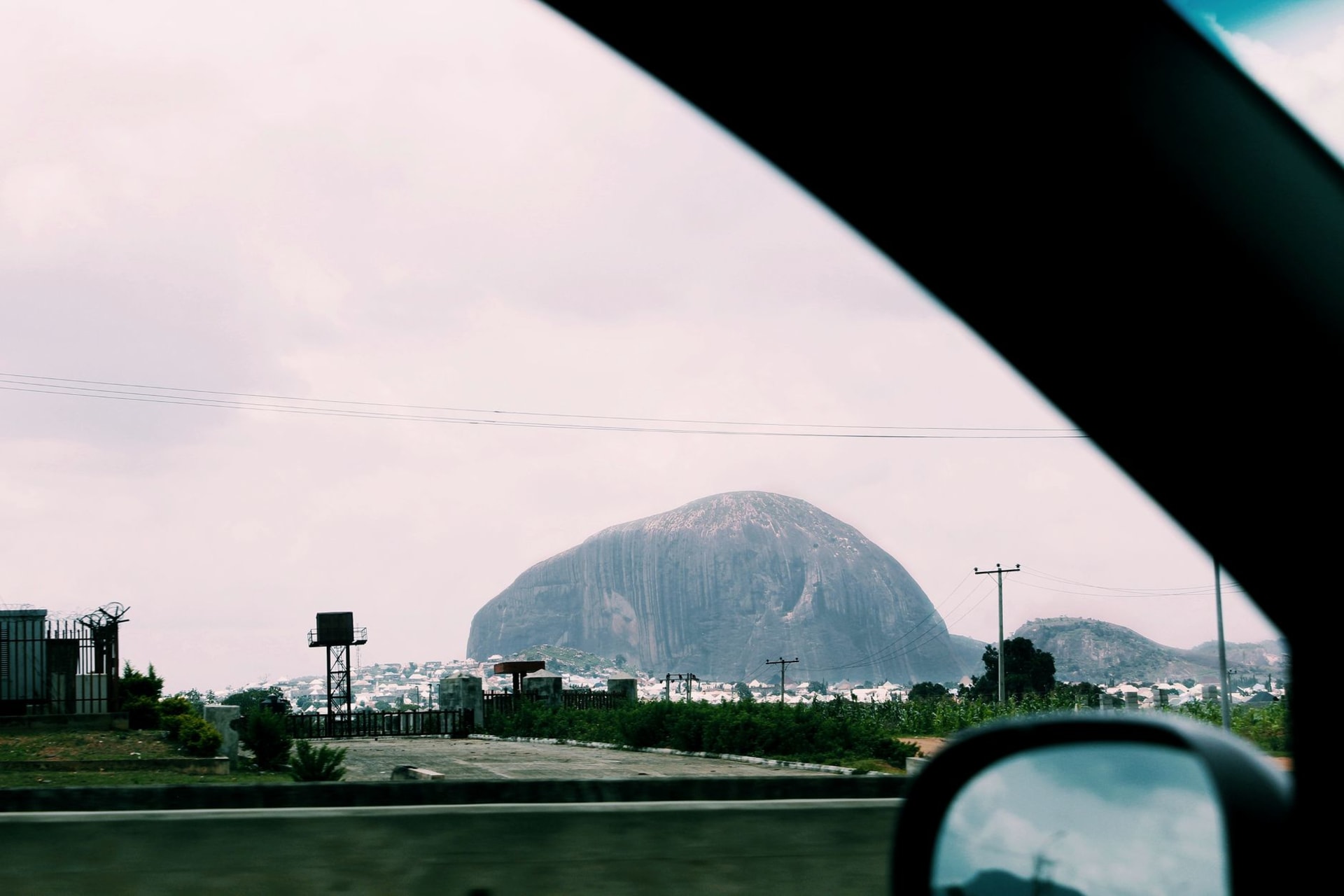
When I made it to Abuja, the capital, I was struck by the inverse experience: wide boulevards, cooler air at altitude, and the sudden appearance of Zuma Rock on the drive north toward Suleja, that enormous volcanic monolith rising 725 meters out of the flat savannah like something placed there by a civilization that hasn’t been named yet. The Gwari people consider it a place of spiritual significance, and standing at its base in the late afternoon, the rock face changing colour from grey to deep amber in the slanted light, I understood why. Nigeria has a habit of delivering this kind of scene without warning.
When to go: November to March covers the dry season, when humidity is manageable and the harmattan winds bring a hazy golden quality to the light in the north. Avoid the peak of rainy season (June to September) if you’re planning to move between regions — some roads in the south become genuinely difficult. Lagos is worth visiting during the dry months specifically, when outdoor markets and beach culture in places like Tarkwa Bay are at their fullest.
What most guides get wrong: They lead with warnings and end with warnings, sandwiching a thin slice of actual content in between. Nigeria gets framed almost entirely through security advisories, which tells you more about how Western travel media thinks about Africa than it tells you about Nigeria. Is it a complicated country? Yes. Does it require some planning and local knowledge? Absolutely. But the same is true of Mexico City, Rio, or Naples — cities that get written about as adventures. The Nigerians I met were among the most entrepreneurial, culturally sharp, and genuinely welcoming people I’ve encountered anywhere. Lead with that.