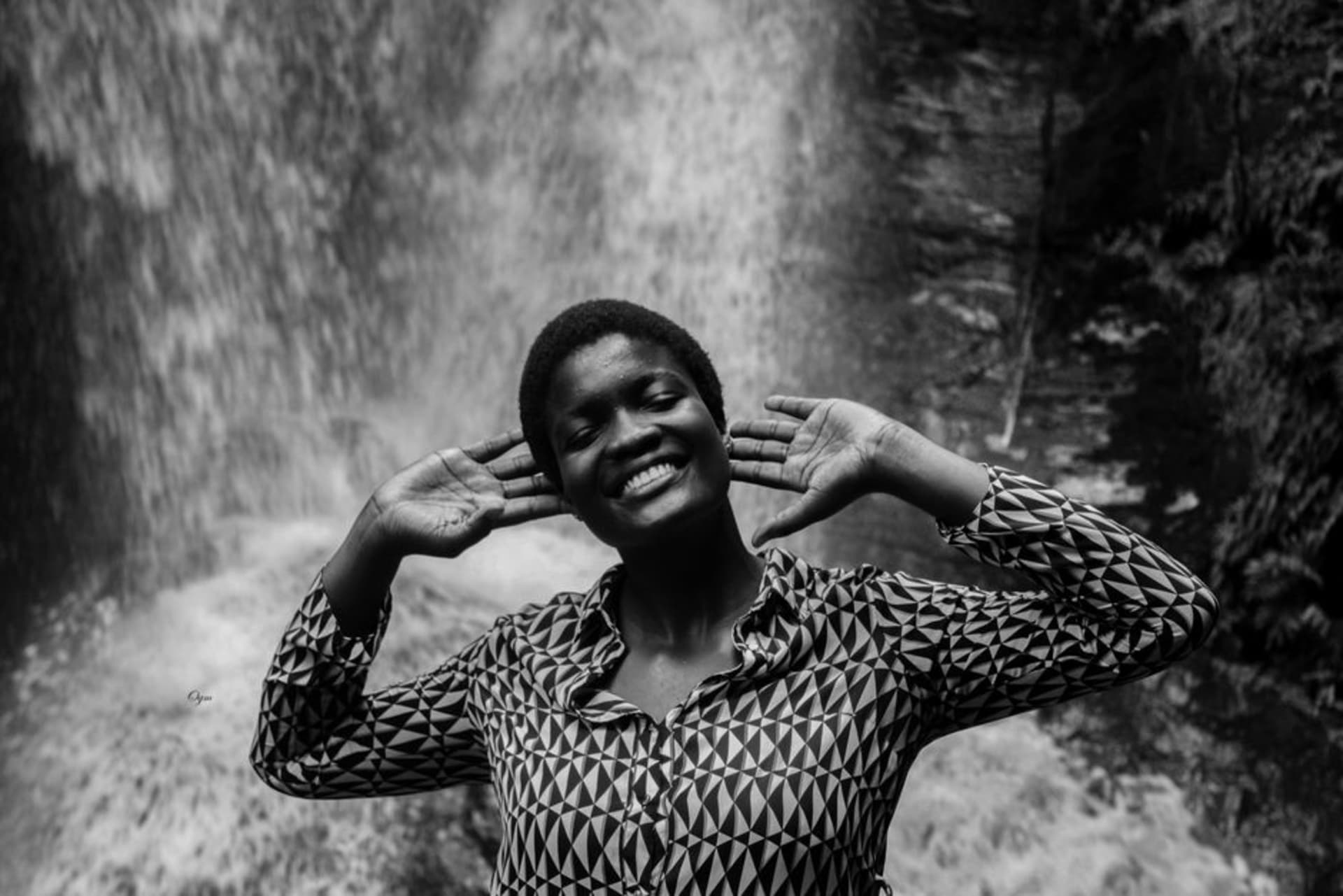
Erin Ijesha Waterfalls
"Seven falls, seven excuses to catch your breath — and not one of them about the view."
Seven tiers of falling water on a sacred hillside in Osun State, each one demanding another sweaty, slippery climb to reach.
Lia found out about Erin Ijesha from a Nigerian friend of hers in Lagos, who described it the way people describe a dish they grew up eating and assume everyone already knows: “Olumirin, of course you have to go.” We took a rattling bus out of Lagos toward Osun State, and by the time we reached Erin-Ijesha town my shirt was already stuck to my back. I remember thinking the heat alone would be the hardest part of the day. I was wrong within twenty minutes of starting the climb.
The falls come in seven levels, and nobody at the entrance tells you that “seven” means seven separate scrambles over wet, glassy rock, not seven photo stops along a paved path. Our guide, a young guy named Femi who’d clearly done this a thousand times in flip-flops while we struggled in hiking shoes, told us the legend as we climbed — a woman named Odovan stumbling on the falls while running from a war between tribes, finding shelter in what must have felt like a miracle of water and stone. Standing under the first tier, soaked and grinning, I could believe it.
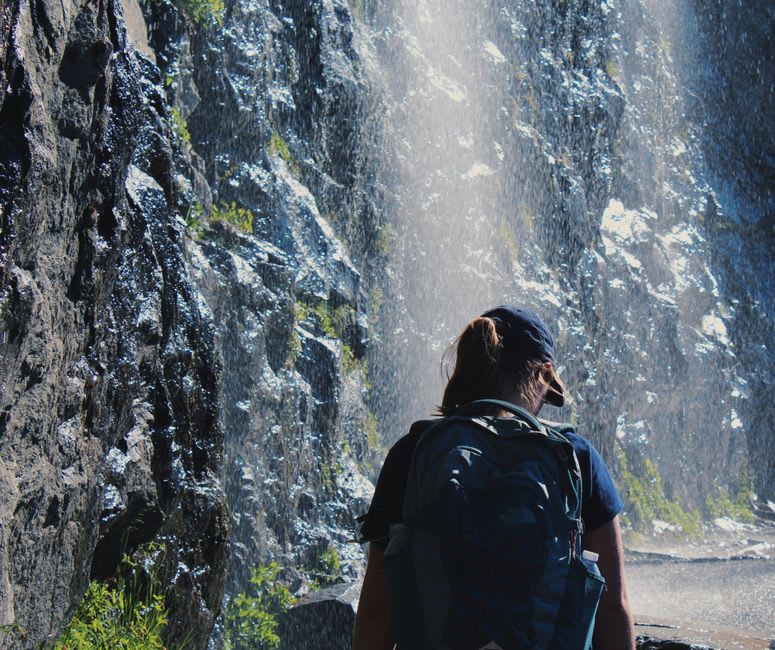
By the fourth level my legs were shaking and Lia had stopped pretending she wasn’t tired either, but we kept going because Femi kept saying “just one more, it’s worth it” — and somehow every single time it was. Around the fifth or sixth tier we passed a small shrine tucked into the rock, ribbons and offerings left by people who still come here to pray, not just to hike. The Ijesha people consider this ground sacred, and you feel that the moment you stop treating it like a workout and start paying attention to the quiet between the roar of each cascade.
We never made it to the seventh tier — the light was going and Femi, gently but firmly, turned us back around, saying the rock gets meaner in the dark. I didn’t argue. We sat at the fourth pool instead, ate boiled corn a woman was selling near one of the lower levels, and let our feet go numb in the cold water while the forest around us clicked and hummed into evening.
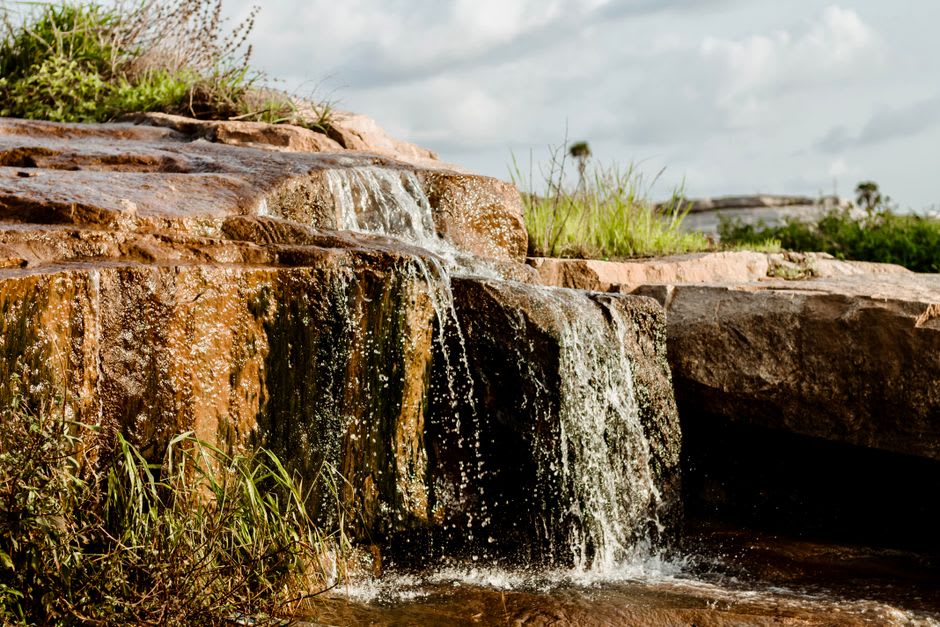
When to go: Aim for the dry season, November through February, when the rock underfoot is far less treacherous and the water, while still cold and strong, doesn’t turn the lower tiers into a wrestling match. Go earlier than we did, too — you’ll want the extra daylight to make it all the way to the seventh.
Keep exploring
More from Nigeria
 nigeria
 Jos
Nigeria's highland plateau city sits at 1,200 meters, cool enough for cold mornings, ancient enough to hold Nok terracotta figurines that predate Christianity.
Explore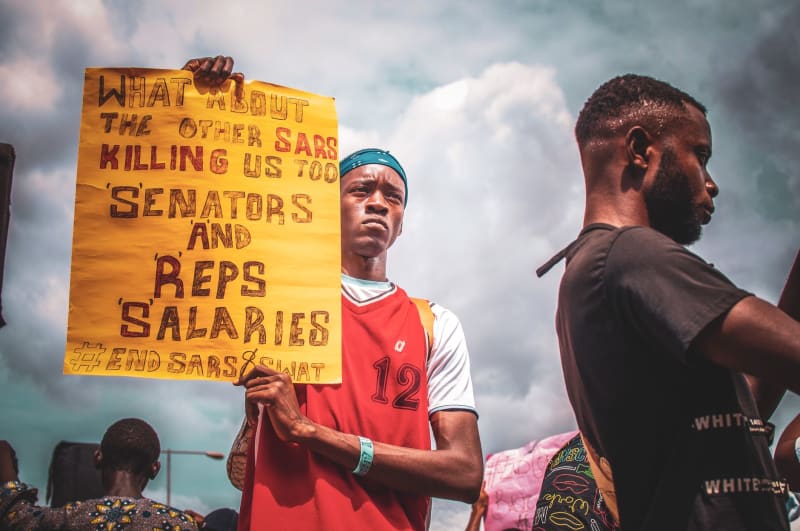 nigeria
 Kano
One of West Africa's oldest cities, where indigo dye pits have run continuously for five hundred years and the old city walls still hold the sky at bay.
Explore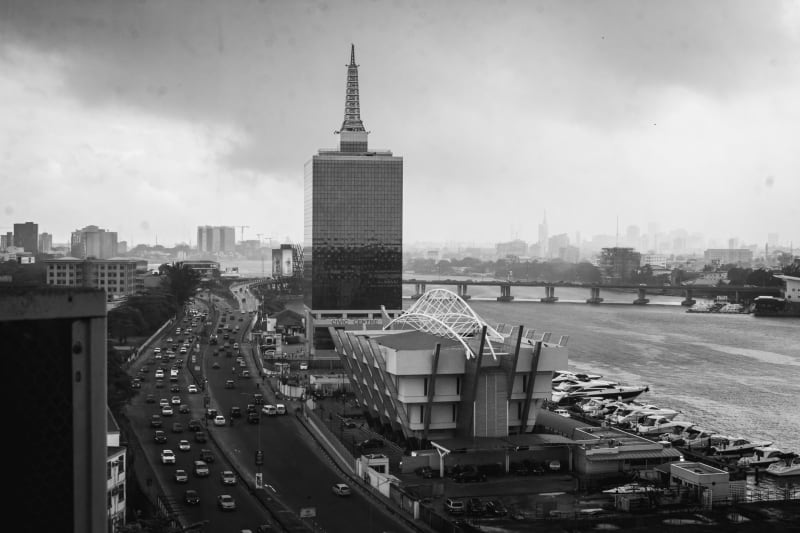 nigeria
 Lagos
Ten million overlapping lives pressed between a lagoon and the Atlantic, running on generators, Afrobeats, and an almost terrifying collective ambition.
Explore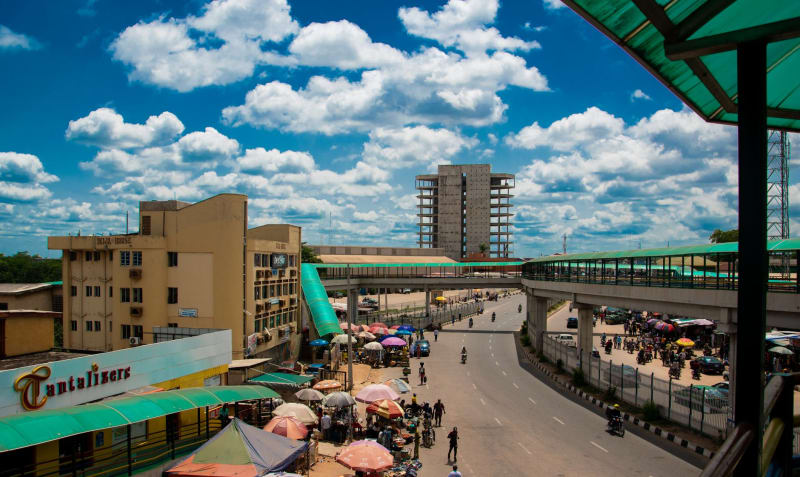 nigeria
 Obudu
A highland plateau in Cross River State at 1,576 meters where cattle graze in morning mist and the view reaches all the way into Cameroon.
Explore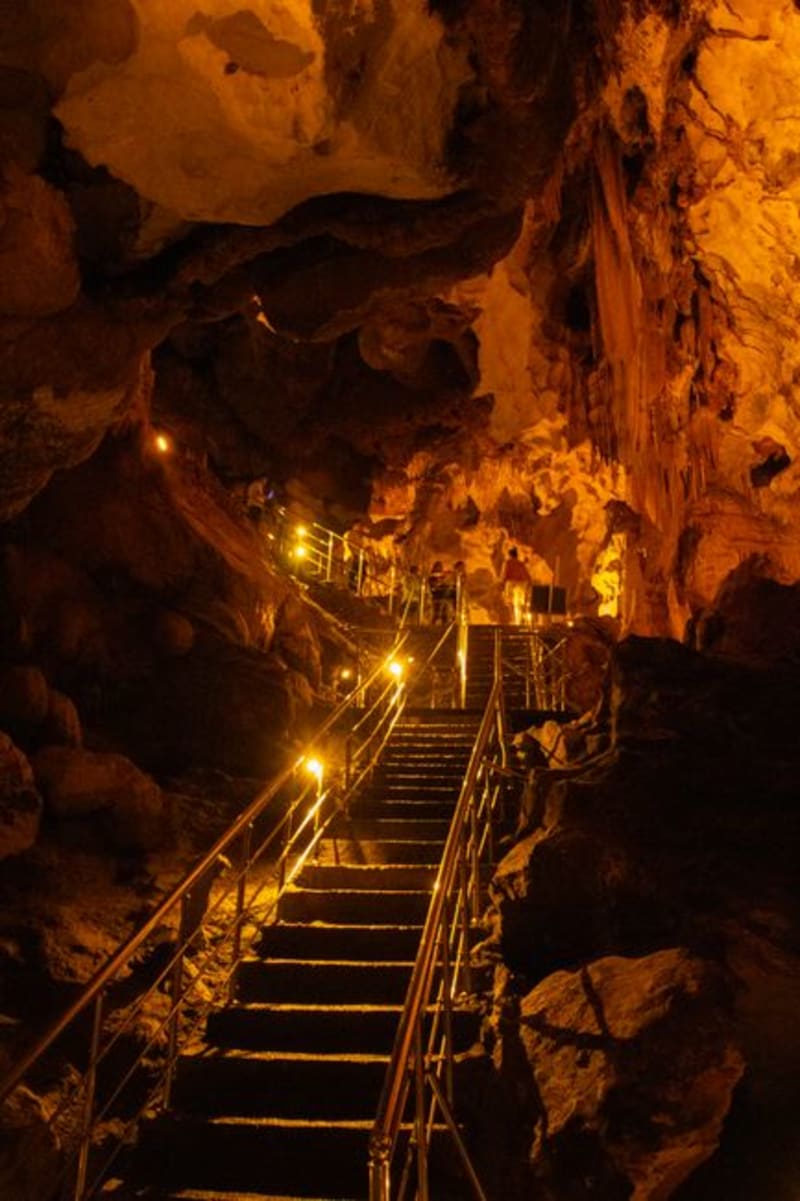 nigeria
 Ogbunike Caves
A sacred limestone cave system in Anambra State, reached by 317 steps through rainforest and steeped in Igbo history.
Explore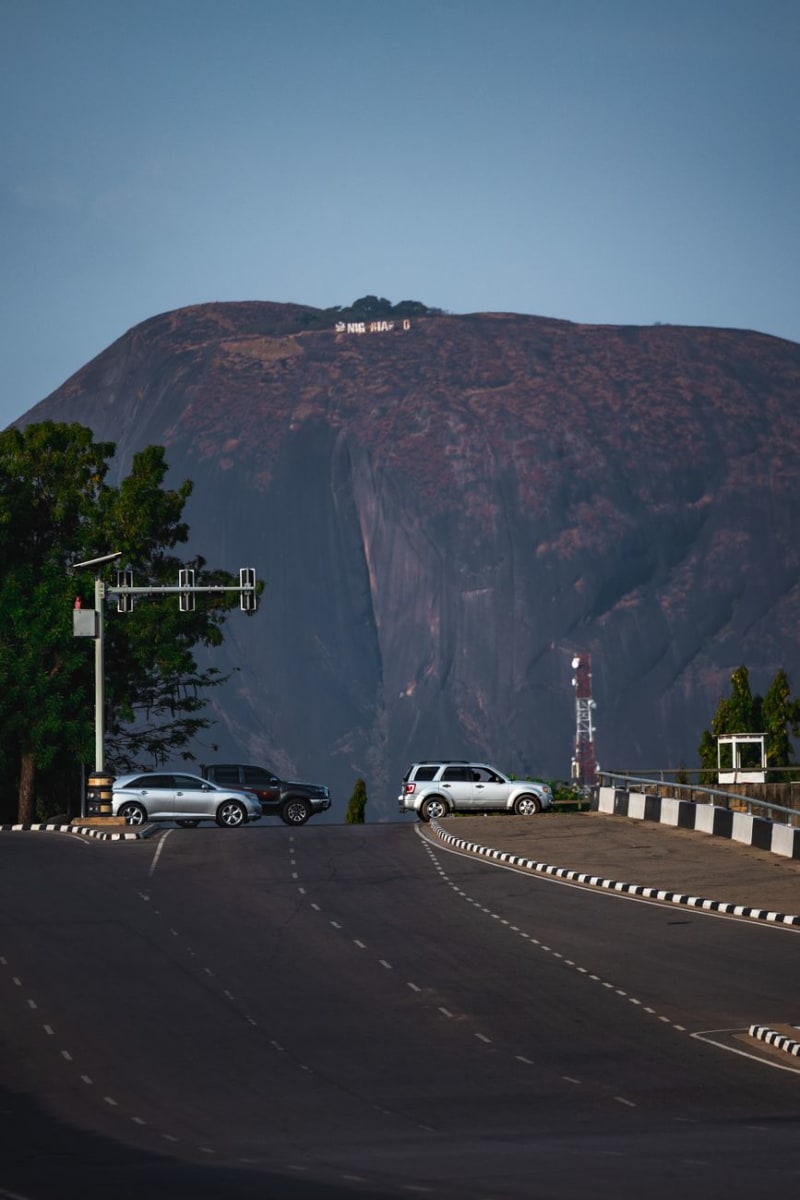 nigeria
 Olumo Rock
A vast granite outcrop in the heart of Abeokuta that once sheltered a whole people in wartime and now lets you climb, half by staircase and half by scrambling, into the city's founding story.
Explore