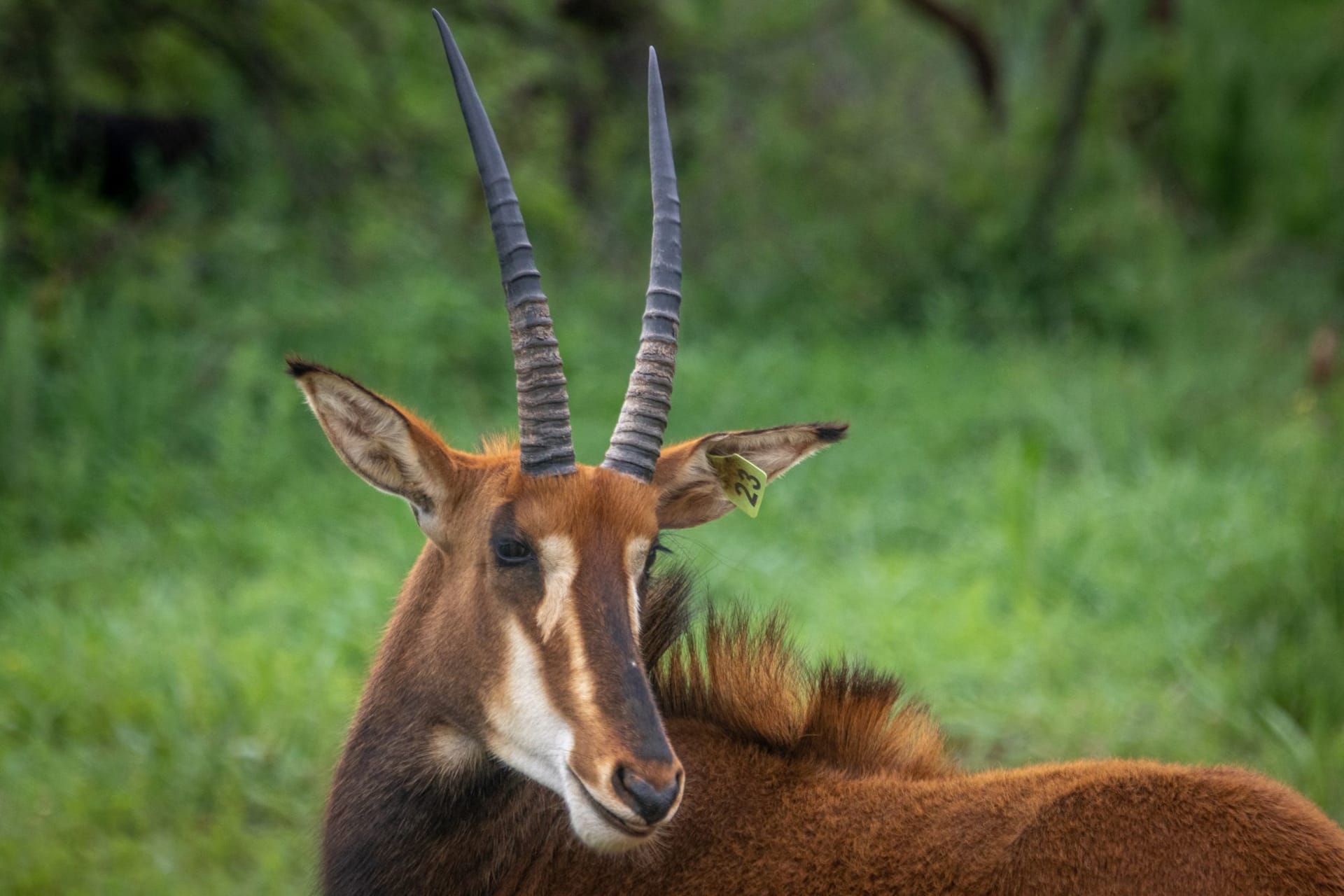
W National Park
"The elephant herd appeared out of the river mist and I stopped breathing for about thirty seconds. Some things still have that power."
I was not expecting much. West Africa’s wildlife reputation pales against East Africa’s, and W National Park — named for the shape the Niger River makes through its heart — had not been on my original itinerary. A chance conversation with a park ranger in Niamey changed that. He spoke about elephants crossing the river at dawn with such specific, uncasual pleasure that I booked transport the next morning.
The park sits at the tri-national corner where Niger, Benin, and Burkina Faso meet, and covers roughly 220,000 hectares of Sahelo-Sudanian savannah — gallery forests along the river, open plains of golden grass, rocky outcrops where baboons watch you with exhausted condescension. You access it from the Nigerien side through the town of Say, then south on a road that becomes increasingly unpaved and increasingly interesting. By the time the first impala appeared in the headlights, I was already recalibrating.
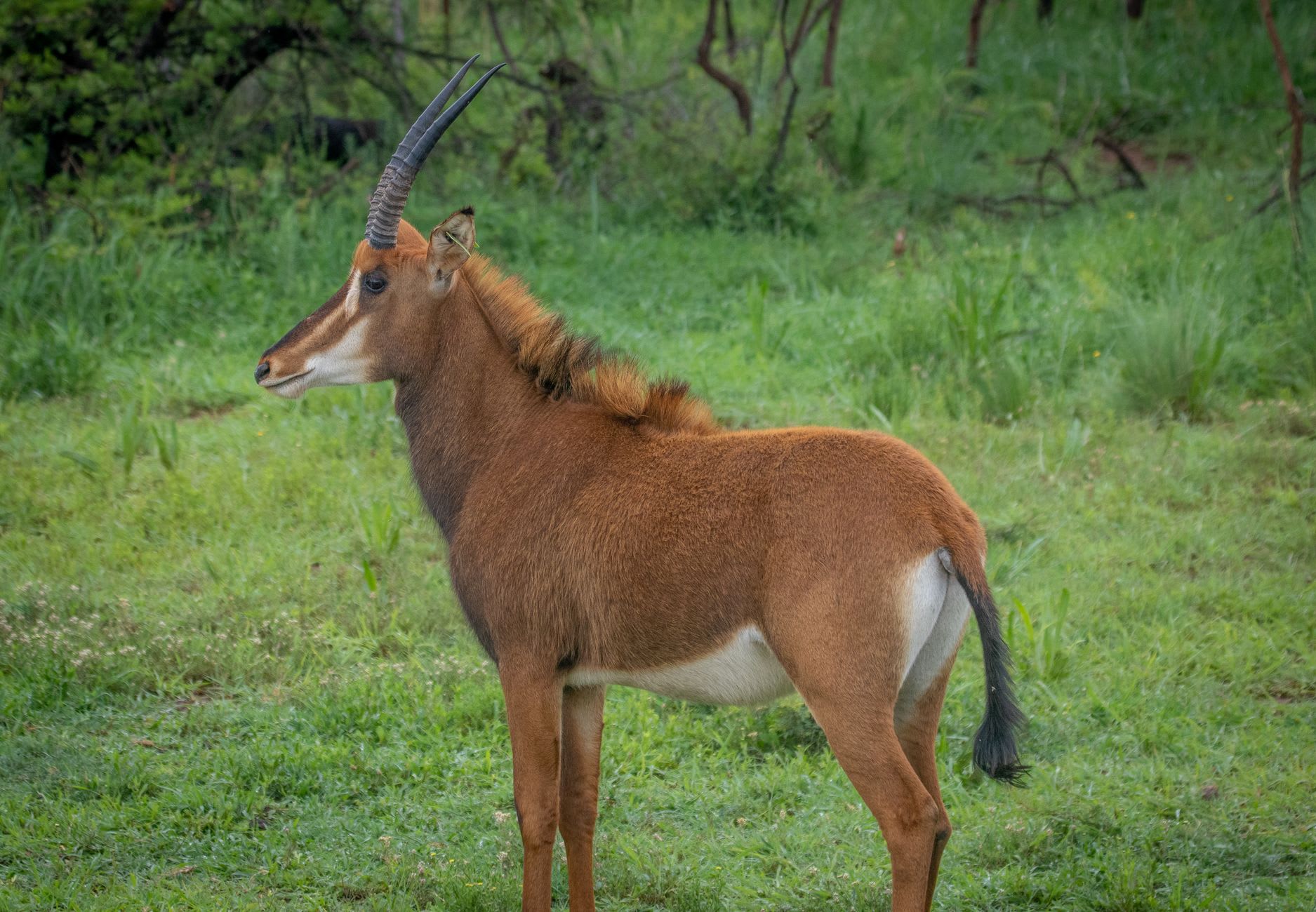
The elephants were at the river at 6am. Twenty-three of them, by my count, moving through the reed beds that line the bank with a purposefulness that made me feel I’d crashed a meeting. They were not performing. They were doing what they do — the calves staying close to their mothers, the large matriarch testing the air, the young males jostling at the edges — and the river mist was still low enough that they emerged from it in stages, which made the whole scene feel constructed. The guide cut the engine and we sat for forty minutes without speaking. The only sounds were the river and the occasional low rumble from inside the herd, a sound that you feel in your sternum before you hear it with your ears.
Hippos are easier to find — they claim the deeper pools and spend the daylight hours half-submerged, snorting and swiveling their ears with the air of people who have long since stopped caring about anything. I watched a group of eight from a rocky bank while a pied kingfisher worked the current ten meters away, hovering and dropping, hovering and dropping, with a concentration that made the hippos’ indolence look studied by comparison. The birdlife along the river is extraordinary — bee-eaters in electric greens and oranges, Abyssinian rollers tumbling in display, the absurd totem-pole profile of the saddle-billed stork standing at the water’s edge.
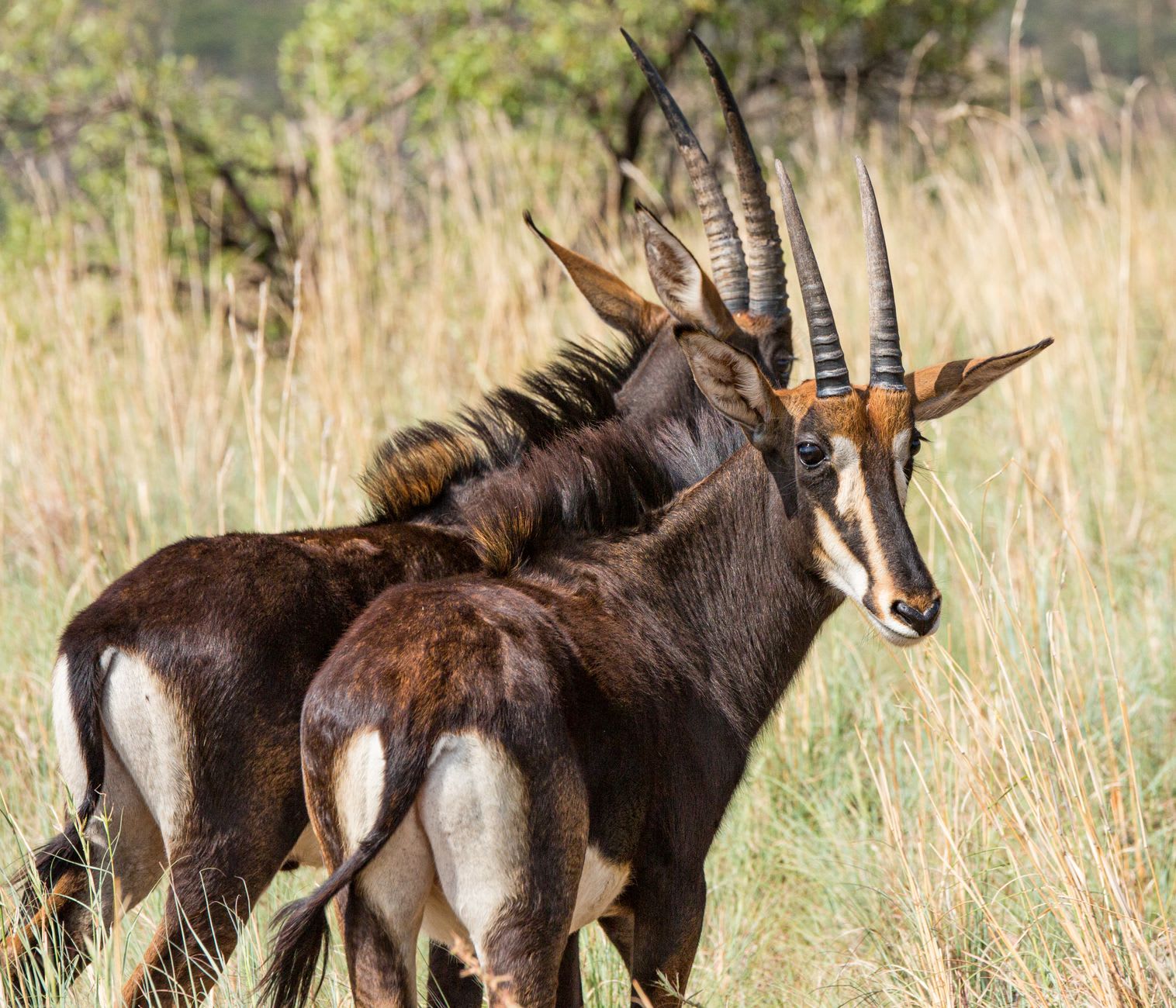
Lions are present but shy — you hear about them more than you see them. The lion tracks in the sand near the water were real enough that the guide’s posture changed when he spotted them, which told me more about the park’s wildness than any sighting would have. What W offers that the more famous East African parks cannot is the absence of tourist apparatus: no lodges with infinity pools, no convoys of thirty safari vehicles converging on a single cat. The two days I spent here I saw perhaps four other vehicles. The park belonged to itself.
When to go: November through May. The dry season (November to March) offers the best wildlife viewing — animals concentrate around the water sources and the reduced vegetation makes spotting easier. April and May are hotter but still functional. The rainy season (June to October) makes some tracks impassable. Pre-arrange transport and a guide from Niamey or Say; the park’s own facilities are minimal.