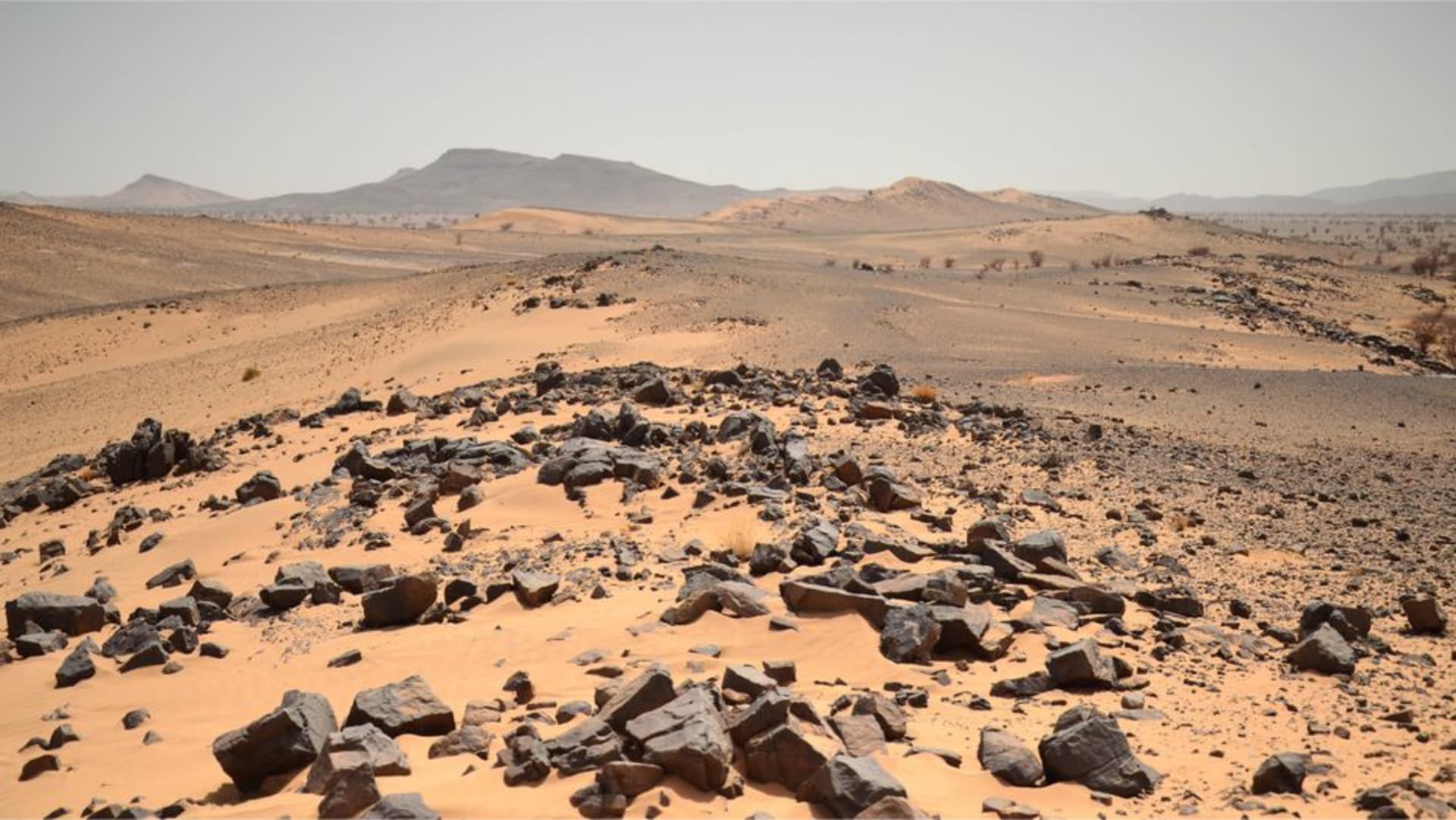
A lone volcanic massif rising from the Sahara, guarding the last wild addax and gazelles in a silence older than memory.
I’ll be honest, I did not expect to cry a little behind my sunglasses over an antelope. But that’s more or less what happened the first time our guide cut the engine, pointed at a pale shape moving between two black rock spurs, and whispered “addax.” We were somewhere in the Termit-Tin Toumma National Nature Reserve, one of the largest protected areas on the continent, and Lia grabbed my arm without saying anything. There are maybe a few hundred addax left in the wild anywhere on earth, and most of them are right here, in this one stubborn massif that the desert somehow never managed to erase.
Getting to Termit is its own kind of ritual. We drove for what felt like a full day of nothing — flat gravel plains, heat shimmer, the occasional acacia skeleton — before the massif finally rose out of the horizon like something that shouldn’t be there, dark volcanic rock stacked into ridges and pinnacles in the middle of all that pale sand. Our fixer in Niamey had warned us it would feel like arriving on another planet, and he undersold it. At camp that first night, Lia and I sat outside long after the fire had burned down, and I remember thinking that the silence had a texture to it, like it was pressing gently on my ears.
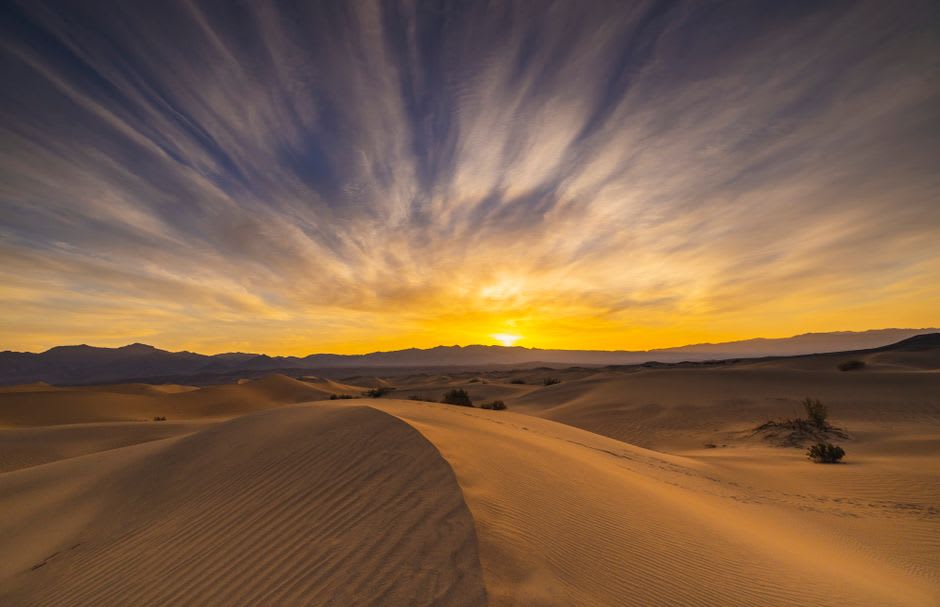
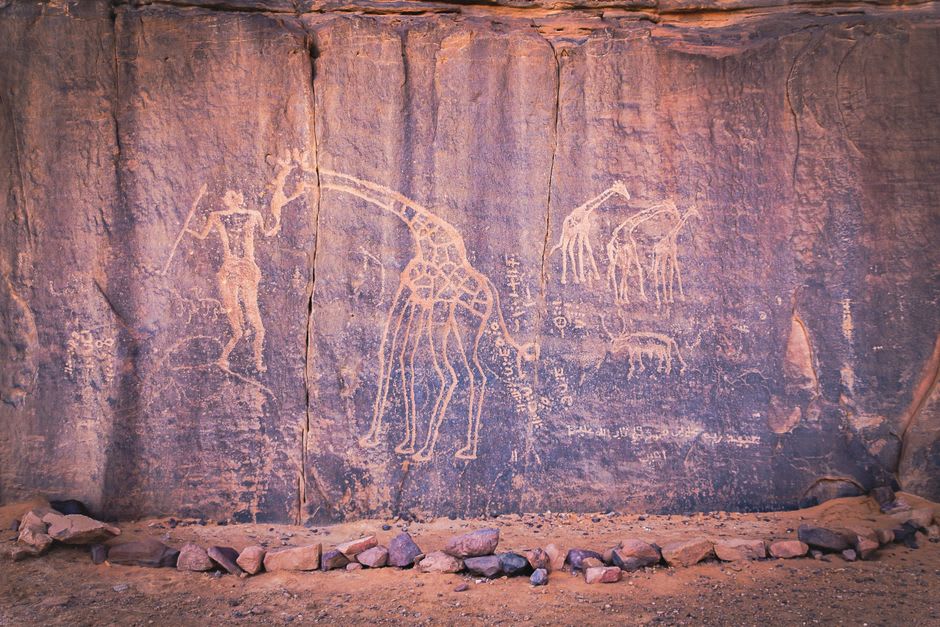
We spent our days tracking dama gazelles across the lower slopes and scanning the cliffs for Barbary sheep, which our guide, a Toubou man named Ari who had grown up herding camels near the massif’s northern edge, could spot from distances I genuinely could not believe. In the afternoons he took us to a shallow overhang where faint rock art was scratched into the stone — cattle, human figures, geometric marks left by people who lived here when the Sahara was still green, thousands of years before either of us was born. I put my palm near one of the carvings, not touching it, just close enough to feel how strange it was that this dry, punishing place had once been someone’s home.
What struck me most, though, was how far away everything felt. No village lights on the horizon, no other vehicle tracks crossing ours, nothing but Ari’s radio crackling occasionally with news from a checkpoint hours south. It’s precisely that isolation, the sheer inconvenience of getting here, that has kept the addax alive when they vanished from nearly everywhere else in the Sahara. Lia said it best on our last morning, watching a dama gazelle pick its way along a ridge in the low gold light: some places don’t survive because we protect them well, they survive because we haven’t quite reached them yet.
When to go: Visit during the cooler dry season from November to February — outside that window, the heat across the surrounding plains makes both the travel and the wildlife-tracking brutal.