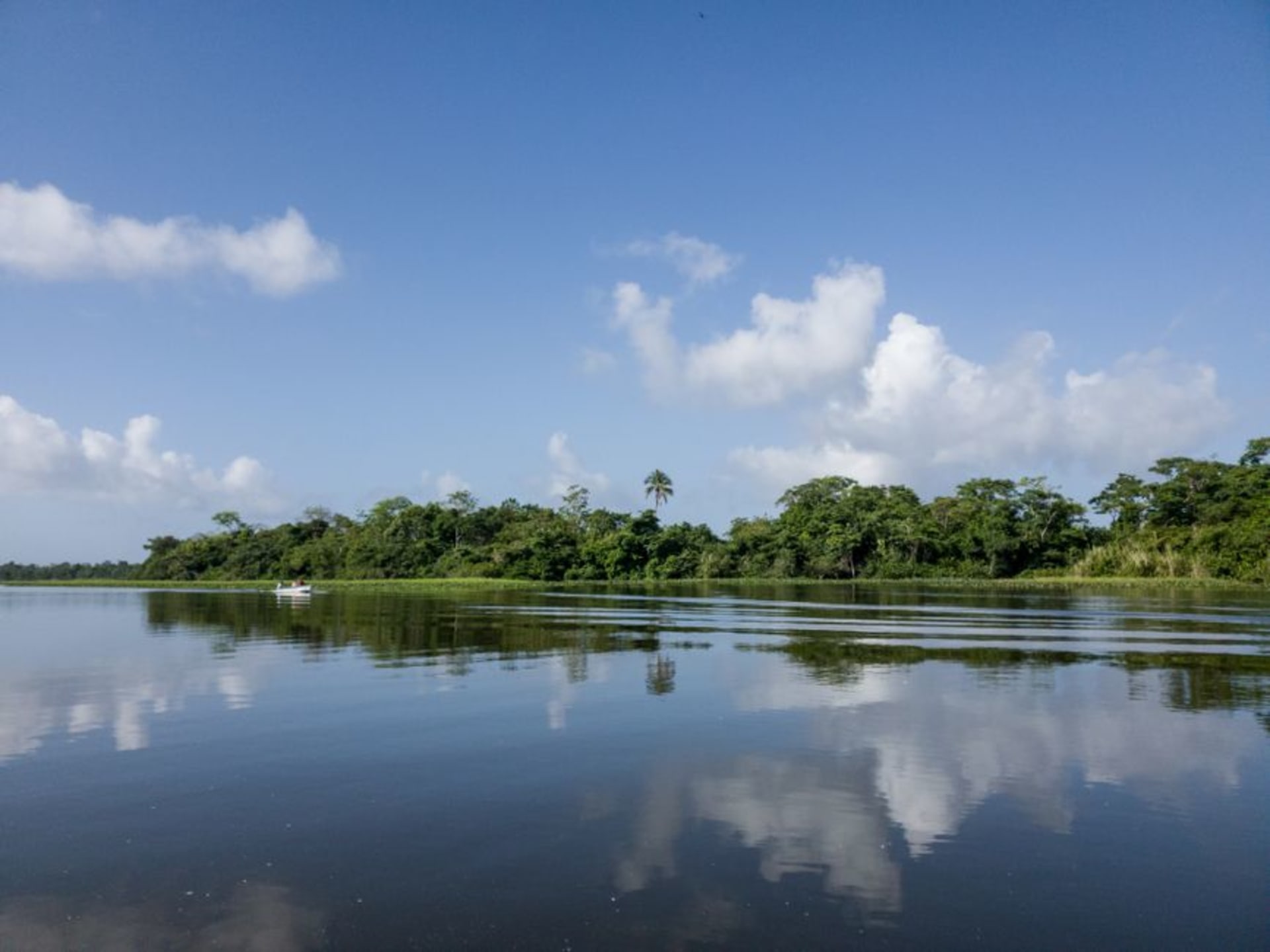
Río San Juan
"I spent two days on a river that Henry Morgan once tried to conquer, and the only thing that attacked me was a mosquito."
The river that pirates fought wars over, now a slow green corridor of rainforest and howler monkeys connecting Lake Nicaragua to the Caribbean Sea.
The Río San Juan doesn’t announce itself. You board a panga at San Carlos, at the southern tip of Lake Nicaragua, and within twenty minutes the lake has narrowed into a river, the banks have closed in with rainforest, and the modern world has quietly excused itself. I’d read about this river for months before coming — how pirates, filibusters, and Spanish garrisons fought over it for three centuries because whoever controlled it controlled the route between two oceans — and it was strange to look out at all that dense green silence and think of it as a former battleground. History has a way of going quiet once nobody’s shooting anymore.
A river built on other people’s ambitions
The Río San Juan exists, geopolitically, because it was almost the Panama Canal. Cornelius Vanderbilt ran steamships up it in the 1850s to shuttle prospectors toward California, and decades before that the Spanish built forts along its banks specifically to stop English and Dutch pirates from using it to reach the riches of Granada. I got some of this history from a boat driver named Álvaro, who’d clearly given the speech before but delivered it like it still surprised him — “they wanted to dig a canal right through here, imagine that,” he said, gesturing at a bank thick with howler monkeys and heliconia flowers, as if daring the jungle to explain how it had swallowed such an ambitious plan whole.
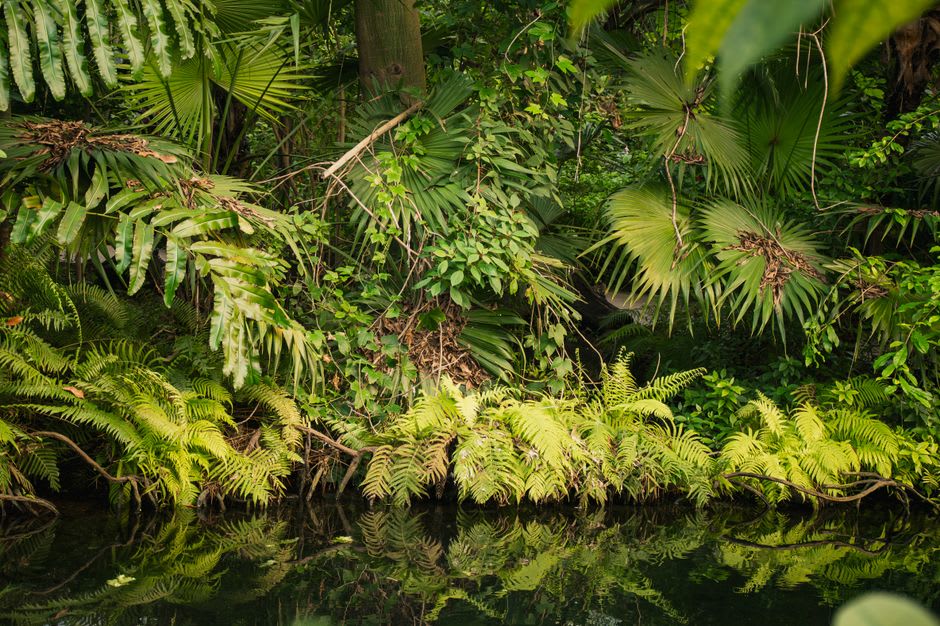
Wildlife that doesn’t wait for you
What struck me most wasn’t the history but the biodiversity, which felt denser and less curated than anywhere else I’d been in Nicaragua. Howler monkeys roared from both banks in a call-and-response that echoed for what felt like a kilometer in each direction. Caimans lay motionless at the waterline until the boat got close enough that they’d slide in without a sound. At one bend, a flock of great green macaws crossed directly overhead, and Álvaro cut the engine just so we could hear them rather than the motor. The Refugio Bartola, near the river’s midpoint, is the easiest place to walk into the rainforest itself rather than just watch it slide by from a boat.
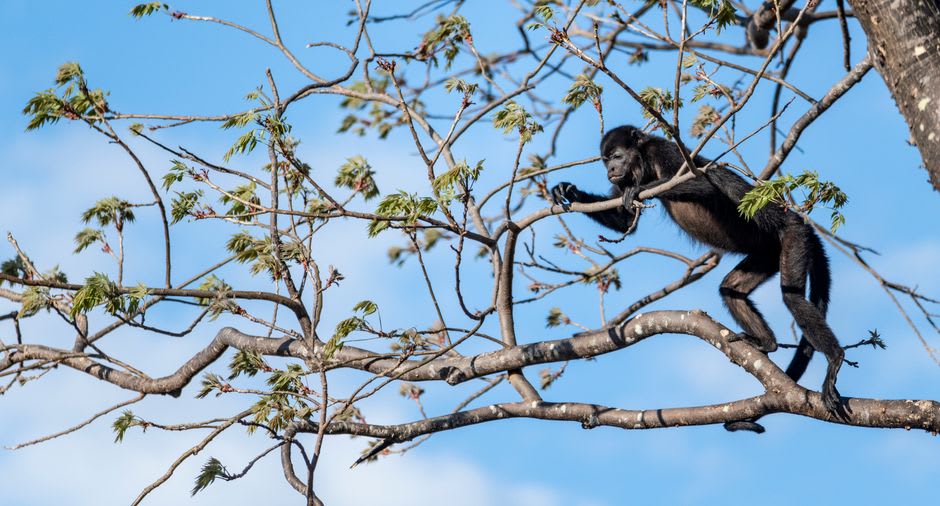
The river takes patience — this isn’t a place you rush through in an afternoon between better-known stops. But slow down for it, and it gives you something rare: three hundred years of contested history and one of the healthiest stretches of rainforest left in Central America, both moving at the same unhurried current.
When to go: February to April, the driest months, when water levels are manageable and wildlife-viewing is at its best; expect rain nearly year-round, since this is one of the wettest corners of the country.