Masatepe
"I bought a rocking chair I had no way of carrying home, just because I watched the man make it."
The Pueblos Blancos town where wicker rocking chairs are made by hand and quesillo was reportedly invented in a roadside stall generations ago.
You smell Masatepe before you understand it — a mix of woodsmoke and warm cheese drifting from roadside stalls, mixed in with the drier, sharper scent of cane and rattan being worked in open-air workshops just off the highway. This is furniture country, specifically rocking-chair country, and within minutes of arriving I’d counted a dozen workshops with finished chairs stacked three and four high along the roadside like a strange, comfortable traffic jam.
Furniture as inheritance
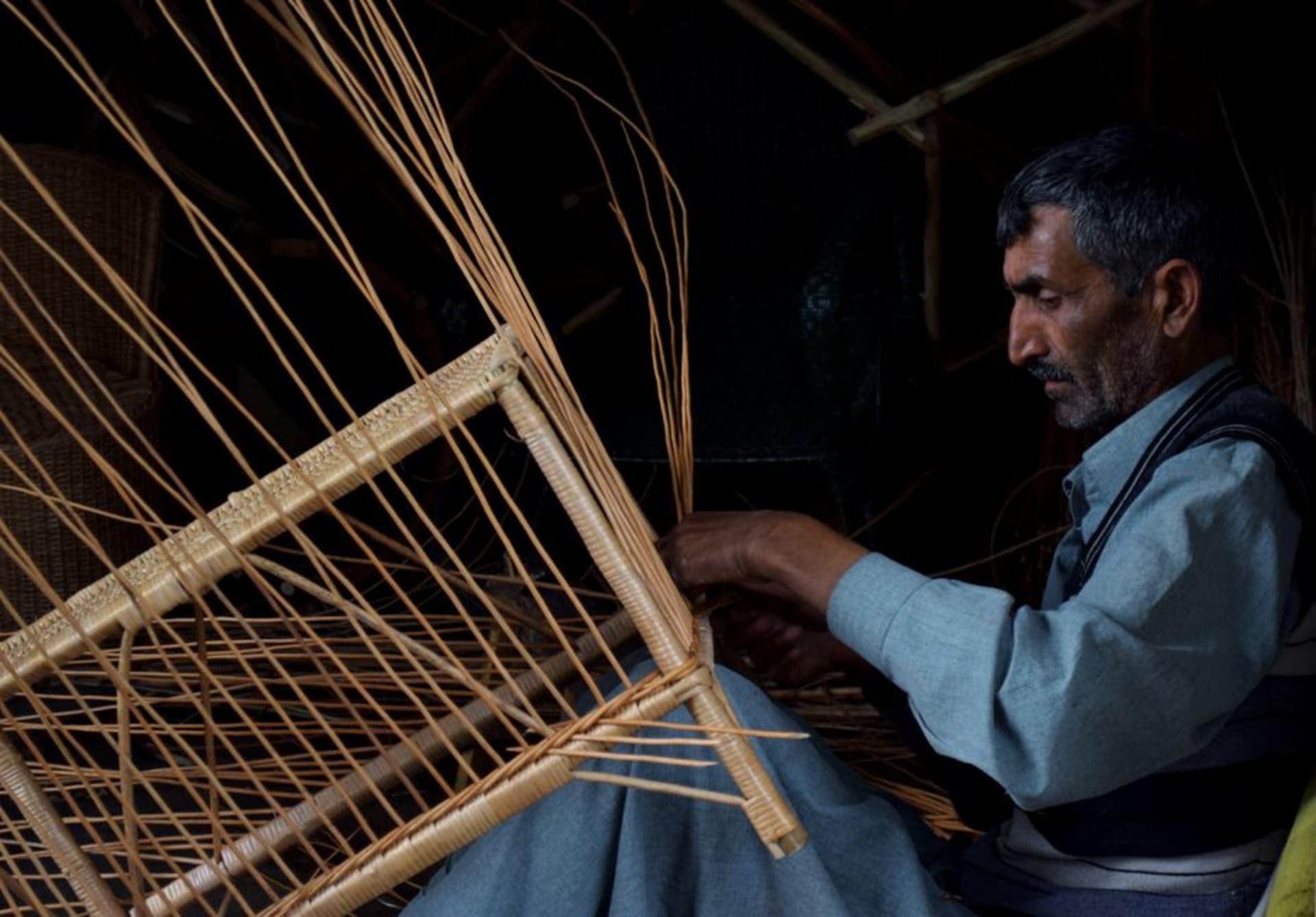
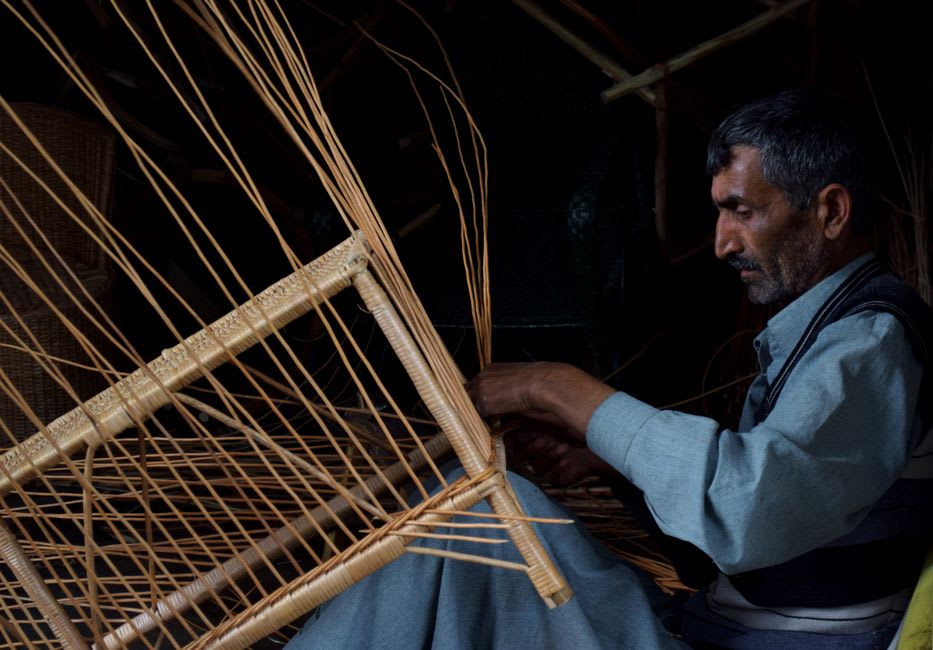
I stopped at a workshop where a craftsman named Don Everardo was bending wet mimbre — wicker cane — around a wooden frame with nothing but his hands and years of muscle memory. He told me his father made chairs, his grandfather made chairs, and that the design hadn’t changed much in that time because, in his words, “why would it, it already works.” Watching him lash the cane into place, tight and even, I understood why Masatepe rocking chairs have a reputation that extends well beyond Nicaragua — they get exported as far as Miami and Los Angeles, carried home by families who grew up rocking in one just like it.
The birthplace of quesillo, allegedly
Masatepe’s other claim to fame is culinary, and locals will tell you, with the confidence of a well-worn local legend, that quesillo — that specific Nicaraguan snack of soft cheese and cream wrapped in a warm tortilla, tied off with a rubber band so you can carry it like a little parcel — was invented here. I ate my first one standing at a roadside stall near the market, the tortilla still warm, the cream dripping slightly onto my wrist, and the woman running the stall laughed at how carefully I was trying not to spill it. “You just drink it a little,” she said, tilting her own hand to show me the technique. It is messy and completely worth it.
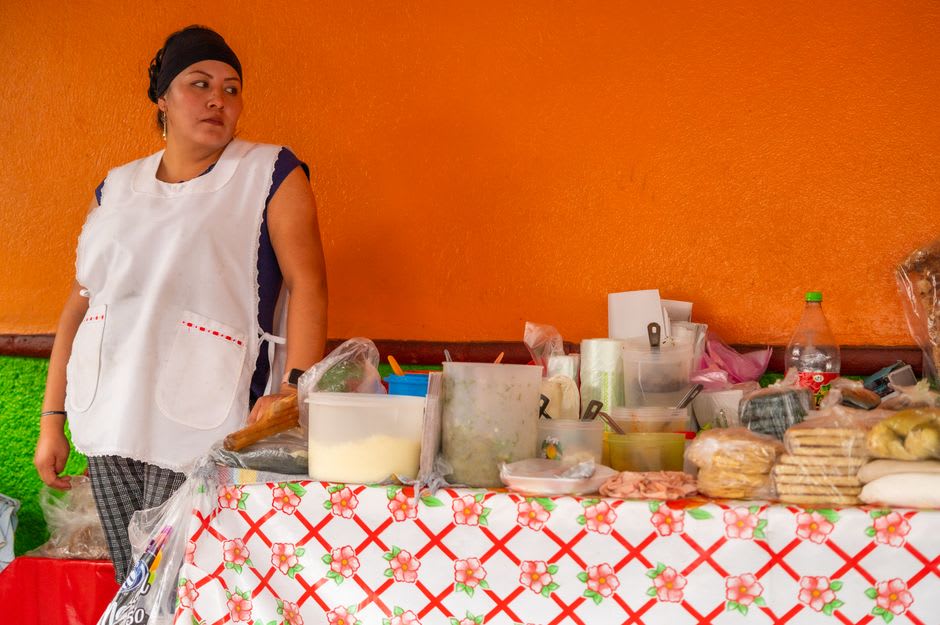
What I liked most about Masatepe is that neither of its specialties feels performed for visitors. The furniture workshops sell mostly to Nicaraguan households and exporters, not tourists with carry-on luggage. The quesillo stalls are full of locals stopping on their way somewhere else. It’s a town defined by two crafts, both still made the way they’ve always been made, both happy to have you watch.
When to go: Year-round, since both trades operate daily — go on a Sunday when the town square fills with families out for quesillo and the workshops are least rushed.