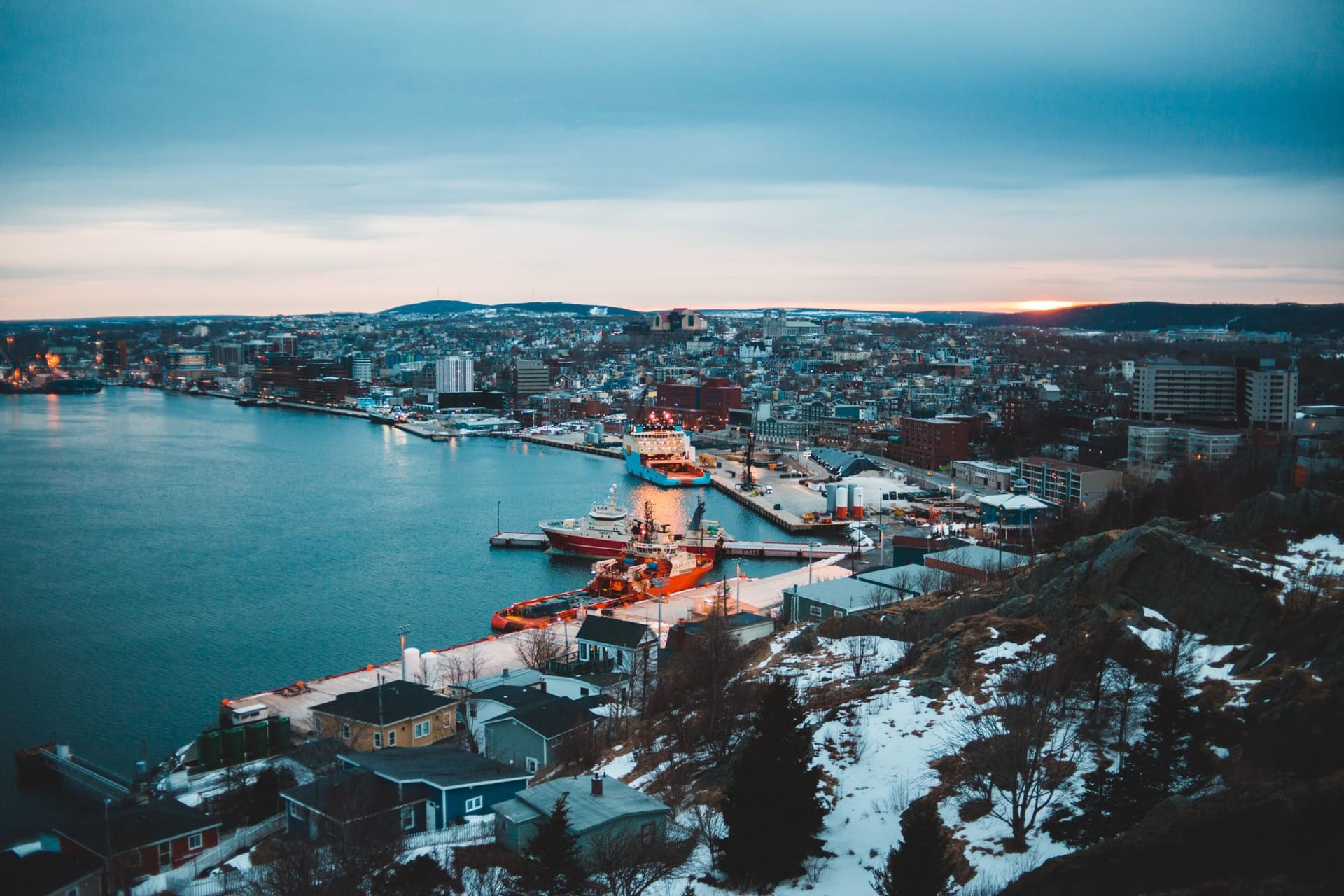
The drive up the Bonavista Peninsula takes you through what the province used to be. Small communities every few kilometres — Catalina, New Bonaventure, Trinity Bay North — each one a cluster of painted houses and a church and a wharf where the boats are getting older because the young people have moved to Fort McMurray. By the time you reach the town of Bonavista at the tip of the peninsula, you feel like you’ve crossed some threshold into a version of Newfoundland that exists at its own unhurried pace, cut off from the mainland’s timeline by approximately sixty kilometres of empty road.
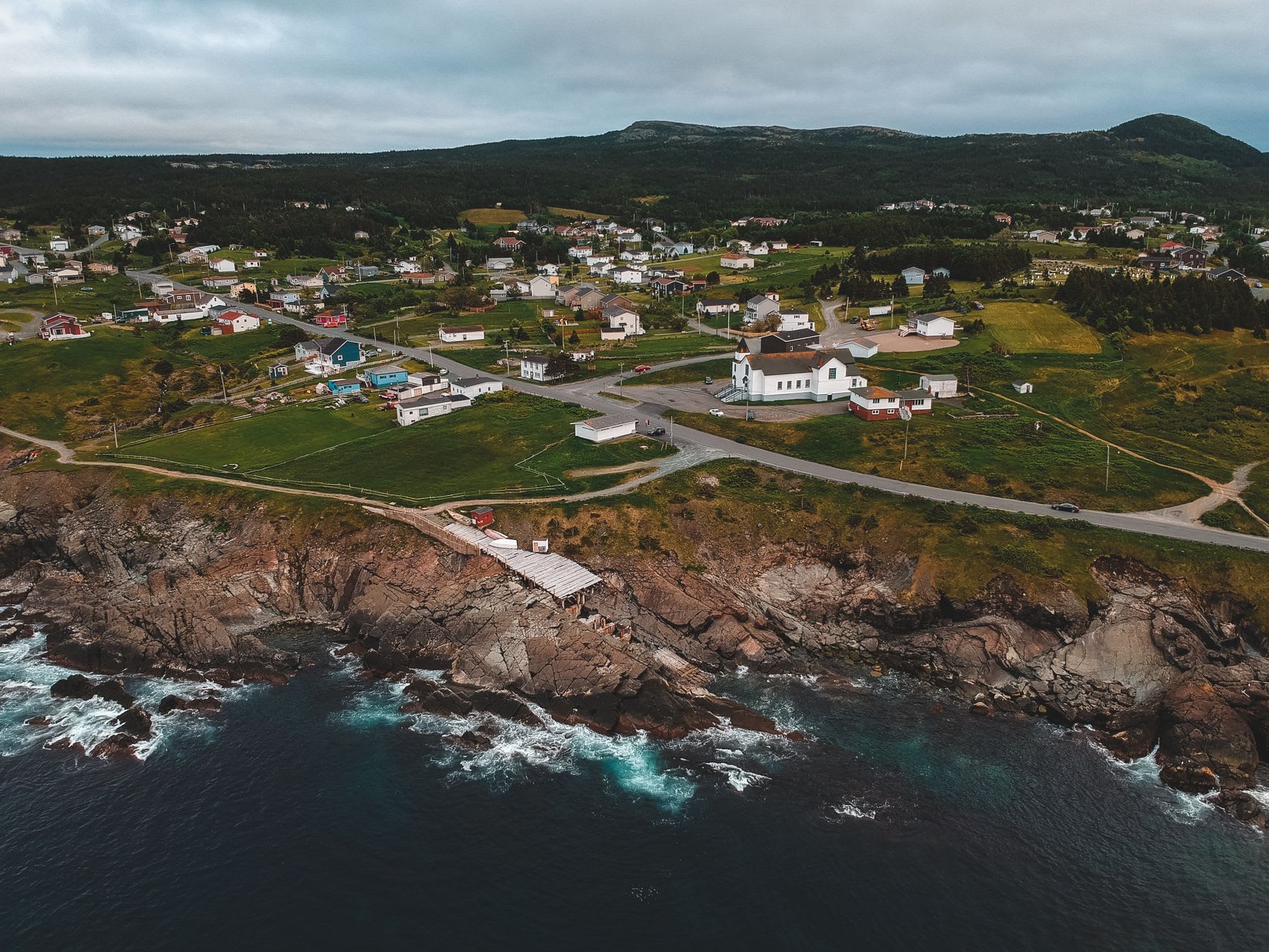
The town itself has been quietly revitalized over the past decade — not by resort development but by a small wave of creative investment: artists, restaurateurs, craftspeople who came for the space and the light and the cheapness of the real estate and ended up building something. The Bonavista Social Club is a bar in a restored nineteenth-century building that serves craft beer from a local brewery alongside moose sliders and fish tacos made with fresh-caught cod, and on any given Saturday night in July the room is full of a mix that feels genuinely unusual for a town of four thousand: local fishermen, art tourists, German cyclists who came for the Iceberg Trail, several people who moved here from Toronto.
Cape Bonavista, the headland where John Cabot reportedly made his North American landfall in 1497, is ten minutes from town and has a lighthouse that has been operating in some form since 1843. The puffins nest in the cliff face below it in June and July — dozens of them, close enough to photograph without a telephoto lens, coming and going from burrows in the turf at the top of the cliff. I sat there one morning with my back against the lighthouse wall and watched them for an hour, the sea stretching away to the east toward Ireland, the light cold and bright and absolutely clear.
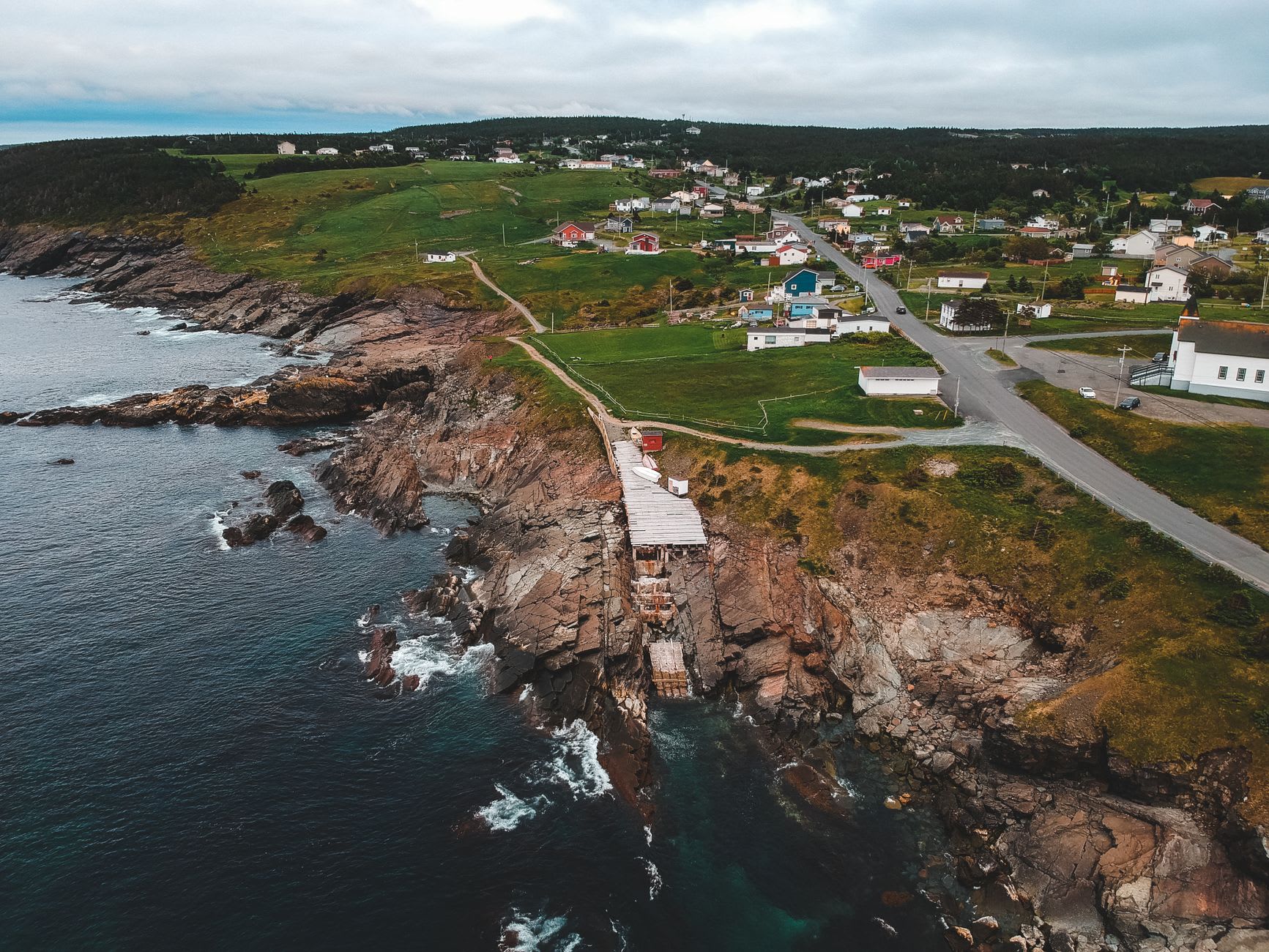
The Ryan Premises National Historic Site preserves a nineteenth-century fish merchant’s property — warehouses, stores, fishing stages — and does an unusually good job of explaining the economics of the salt cod trade that built this coastline. It is a story of extraction and precarity, of seasons that determined whether families ate through the winter, of the 1992 cod moratorium that ended five hundred years of fishery in a single announcement. The woman who gave the tour when I visited had a grandfather who was a fisherman and spoke with a specificity about what that world had been that no exhibition text could match.
When to go: June through August. The Bonavista Biennale, a contemporary art festival held every two years, transforms town buildings into exhibition spaces in July and August and draws visitors from across the country. Puffins are at Cape Bonavista from late May through late July. Book the Social Club on weekends — it fills quickly.