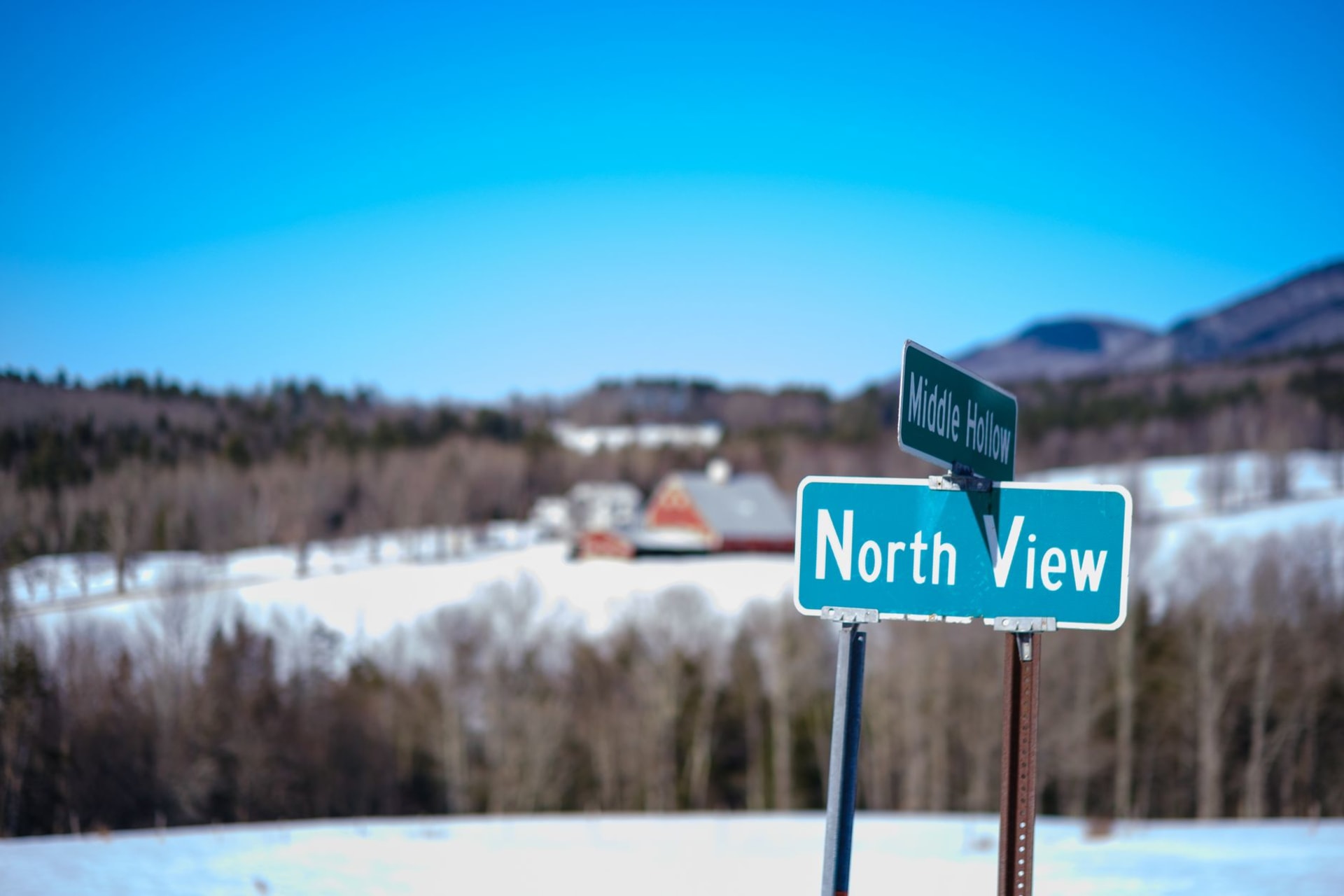
Woodstock, Vermont
"Even the covered bridge in Woodstock looks like it was placed by someone with an eye for composition."
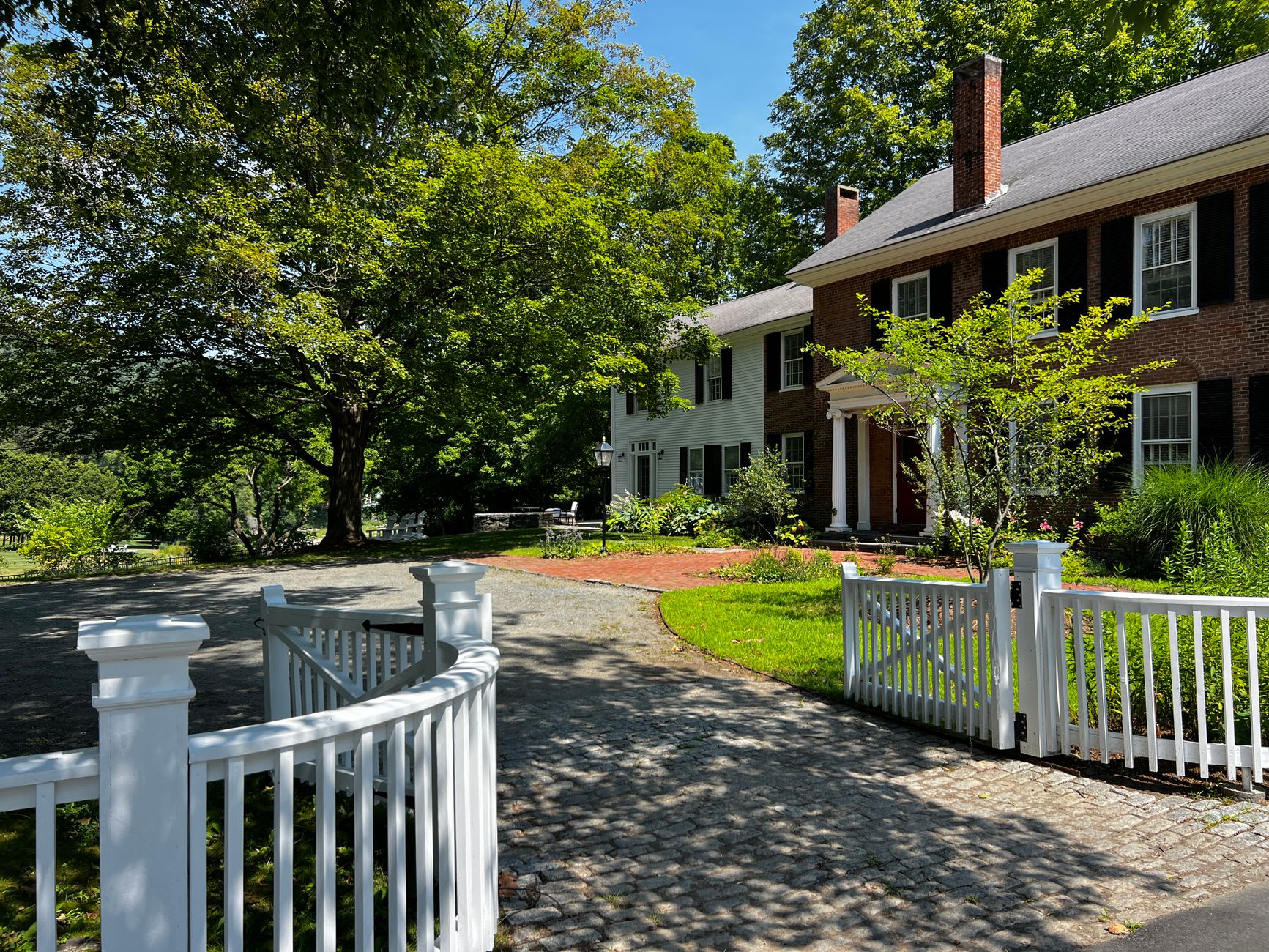
I arrived in Woodstock on a Wednesday morning in mid-October, which turned out to be the correct time: the foliage was at its peak and it was mid-week, so the weekend leaf-peeper traffic had not yet materialized. I parked on Elm Street near the green and stood there for a moment doing the thing that you do in Woodstock, which is look around slowly and check whether it is real. The village green, oval and neat, surrounded by Federal and Greek Revival houses in a state of considered maintenance. The Ottauquechee River running under the covered bridge at the south end. The white steeple of the Congregational church visible above the maple canopy, which was doing things with color that I had no vocabulary for. Woodstock has been described as the most beautiful small town in New England so many times that the description has become background noise, but standing on the green in October it was difficult to argue with.
The town’s beauty is not accidental — it has been maintained with deliberate care for more than a century, largely through the influence of the Rockefeller family, whose Marsh-Billings-Rockefeller National Historical Park occupies the hillside above the village center. The carriage roads through the park’s managed forest are open to hikers year-round, and I spent an hour walking up through the sugarbush — a stand of sugar maples managed for syrup production — with the light coming sideways through the canopy and the leaves falling in a way that felt arranged. The farm below, Billings Farm & Museum, is a working dairy operation that has been running since the 1880s, and its heritage Jersey cows are among the more photogenic animals I have encountered professionally.
The village has shops and restaurants that are firmly calibrated to the audience that Woodstock attracts — the kind of town where the kitchen store carries All-Clad and the bookshop has a wood stove and an actual cat. I ate lunch at a place on Central Street where the menu was short and confident and locally sourced in the manner of someone who doesn’t need to announce it. The cheddar in my sandwich was from a dairy outside Montpelier and they mentioned this in the way you mention something because it is simply true, not because you want credit for knowing it. The coffee was excellent. The room smelled of wood smoke. I stayed longer than I intended and did not regret it.
Quechee Gorge is five miles east of Woodstock and worth the detour entirely on its own terms. Vermont’s “Little Grand Canyon” is a somewhat optimistic name for a gorge that is one mile long and 165 feet deep, but standing on the highway bridge above it and looking down into the river slot below, I found the optimism forgivable. The light in the gorge is soft and directional and the walls are covered in mosses and ferns and the river at the bottom is very cold and very clear. I walked the trail down to the gorge floor and ate an apple at the water’s edge and threw the core into the current and watched it disappear. Small pleasures, but they are the ones that stay.
When to go: October is Woodstock’s most dramatic month and also its most crowded — if you come on a fall weekend, the green will be full and the parking will be a project. Mid-week is significantly calmer. June is quietly spectacular: the green is lush, the river is running high, and the crowds are a fraction of what fall brings. Winter, when the cross-country ski trails open at the Suicide Six area nearby, has a peaceful quality that the town’s summer and fall fame completely obscures.