
Newport, Rhode Island
"The Breakers at dusk: proof that old money occasionally had the sense to hire good architects."
Gilded Age excess parked above the Atlantic — where obscene wealth was occasionally spent on buildings genuinely worth looking at.

The Cliff Walk in Newport is one of those things that requires no editorial assistance: a path carved into the granite edge of Aquidneck Island, the North Atlantic crashing into the rocks twenty feet below on one side and, on the other, the lawns of the Gilded Age mansions running right up to the iron fencing as if to establish, politely but firmly, exactly where you are not allowed to go. I walked it in October on a morning that was cold enough to make the breath visible and warm enough to justify the sweat, and every hundred yards the view shifted between something geological and ancient and something architecturally excessive and human. The combination was not subtle. It was, however, very effective.
The mansions are the reason people come to Newport, and they deserve the attention. The Breakers — the Vanderbilt summer cottage, which is what the Vanderbilts actually called this seventy-room limestone palazzo — stopped me in my tracks even though I had seen photographs. It was the scale, mostly, and then the detail: the vaulted great hall with its painted ceiling, the loggia looking out over the water, the coal-fired generators in the basement that powered the first private electric lighting in Rhode Island. Walking through it with the audio guide, I kept thinking about what it means to spend money on that scale, and about whether beauty built on that foundation carries a debt that beauty has to acknowledge. I didn’t resolve it. But I kept looking.

Below the mansion district, Thames Street and the harbor bring Newport back to a more human scale. The colonial downtown — America’s Cup Avenue running along the waterfront, the seventeenth-century buildings on Pelham Street, the Trinity Church that dates to 1726 — reminds you that Newport’s wealth is layered in centuries, not decades. The harbor is still a serious sailing port: twelve-meter yachts from the America’s Cup era sit in the museums, and in summer the working race boats are everywhere on the water. I ate a chowder at a waterfront place on America’s Cup Avenue that was thick and cream-heavy and served with a pile of oyster crackers, and it was exactly what the temperature demanded.
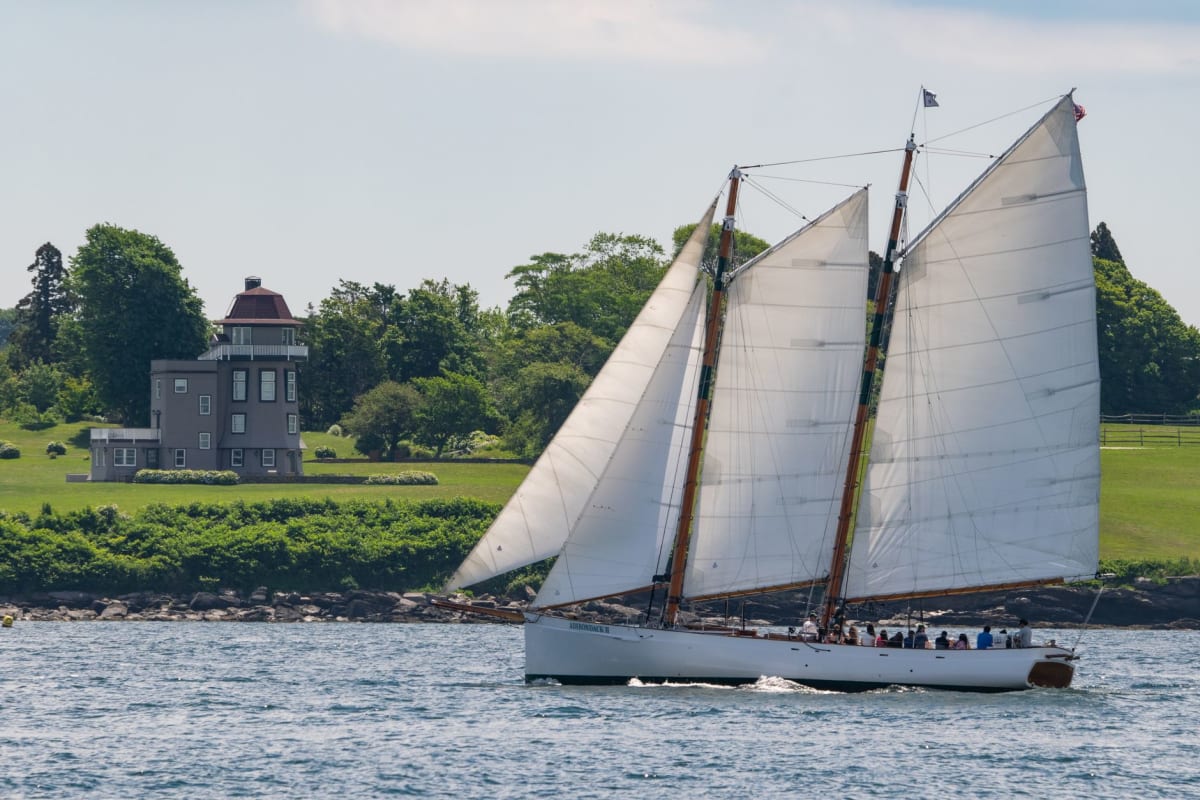
The beaches surprised me. Newport has several, and Easton’s Beach — First Beach — is a long crescent of sand at the bottom of Bellevue Avenue that in September is almost empty and entirely beautiful. I sat on a bench above the tide line and watched the light go flat and gray over the water and thought about how much of Newport’s appeal is this double nature: the grandiose and the quietly coastal, the spectacle of the mansions and the specific pleasure of a cold beach in the off-season where no one is performing anything at all.
When to go: September and October hit the sweet spot — crowds thin, the Cliff Walk is at its most dramatic in autumn light, and the mansions are still fully open. Summer is beautiful but Newport fills to capacity in July, particularly during sailing events. The mansions run tours year-round, making winter visits surprisingly viable.
Keep exploring
More from New England
 new-england
 Portland, Maine
A working harbor city that somehow became New England's most exciting food town without losing its salt-air grit.
Explore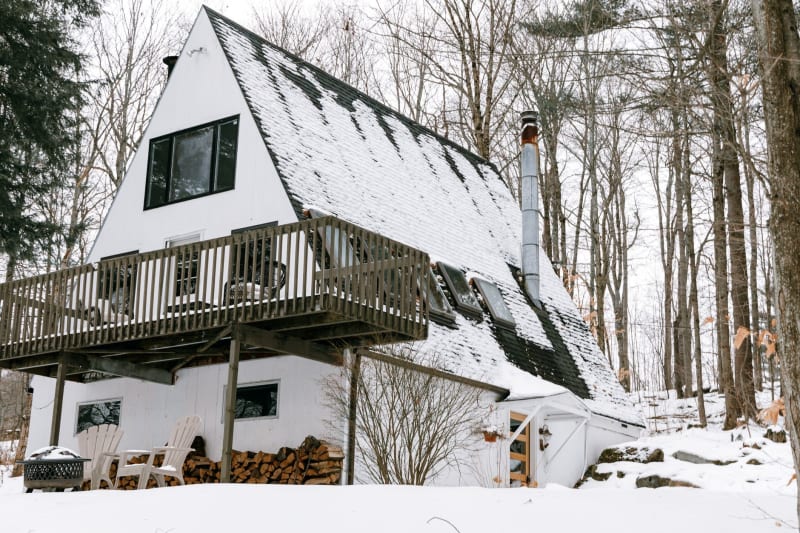 new-england
 Stowe, Vermont
A mountain village that takes foliage, farmstead cheese, and ski runs with equal, unhurried seriousness.
Explore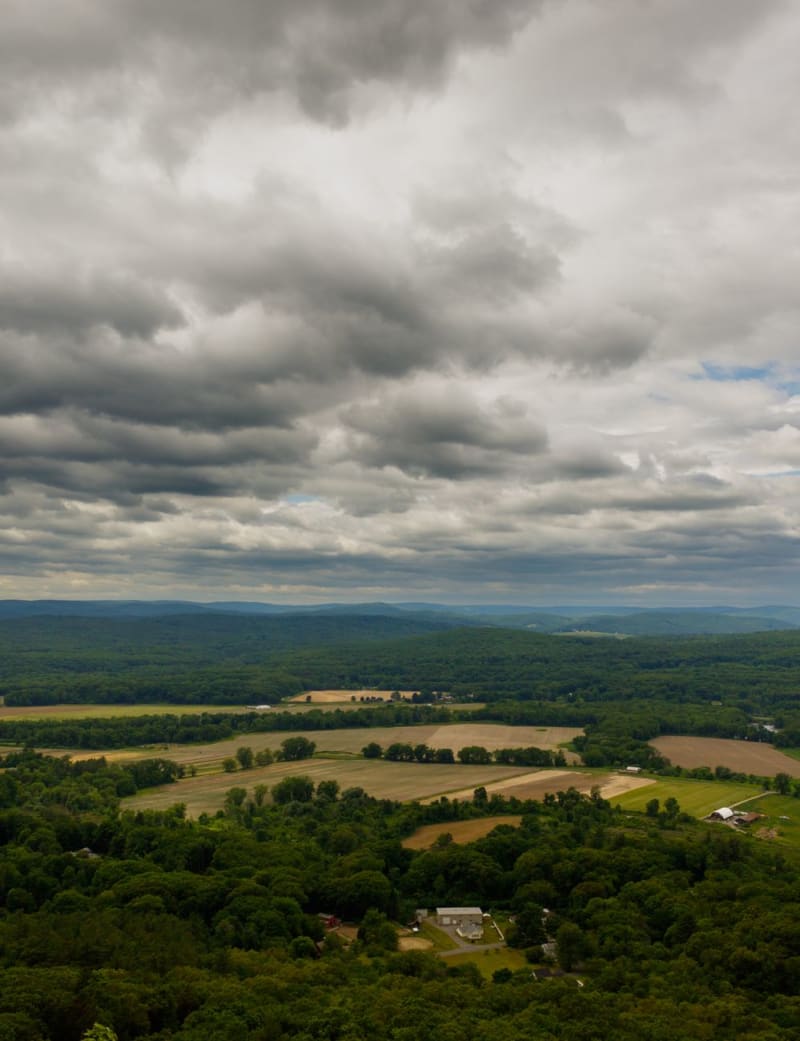 new-england
 The Berkshires
A range of soft wooded hills in western Massachusetts where old mill towns have quietly turned themselves into one of America's densest concentrations of music, art, and second homes.
Explore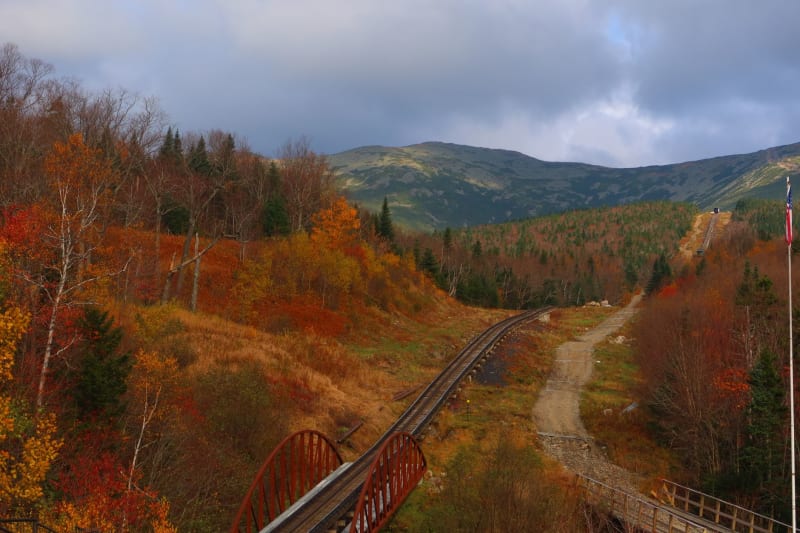 new-england
 White Mountains, New Hampshire
A serious mountain range in a small state — vertiginous ridgelines, sudden weather, and trails that don't apologize.
Explore new-england
 Woodstock, Vermont
The most beautiful small town in New England — a place that knows it, and handles the knowledge with surprising grace.
Explore new-england
 Acadia National Park
Where the Maine forest runs headlong into the North Atlantic and both sides look like they mean it.
Explore