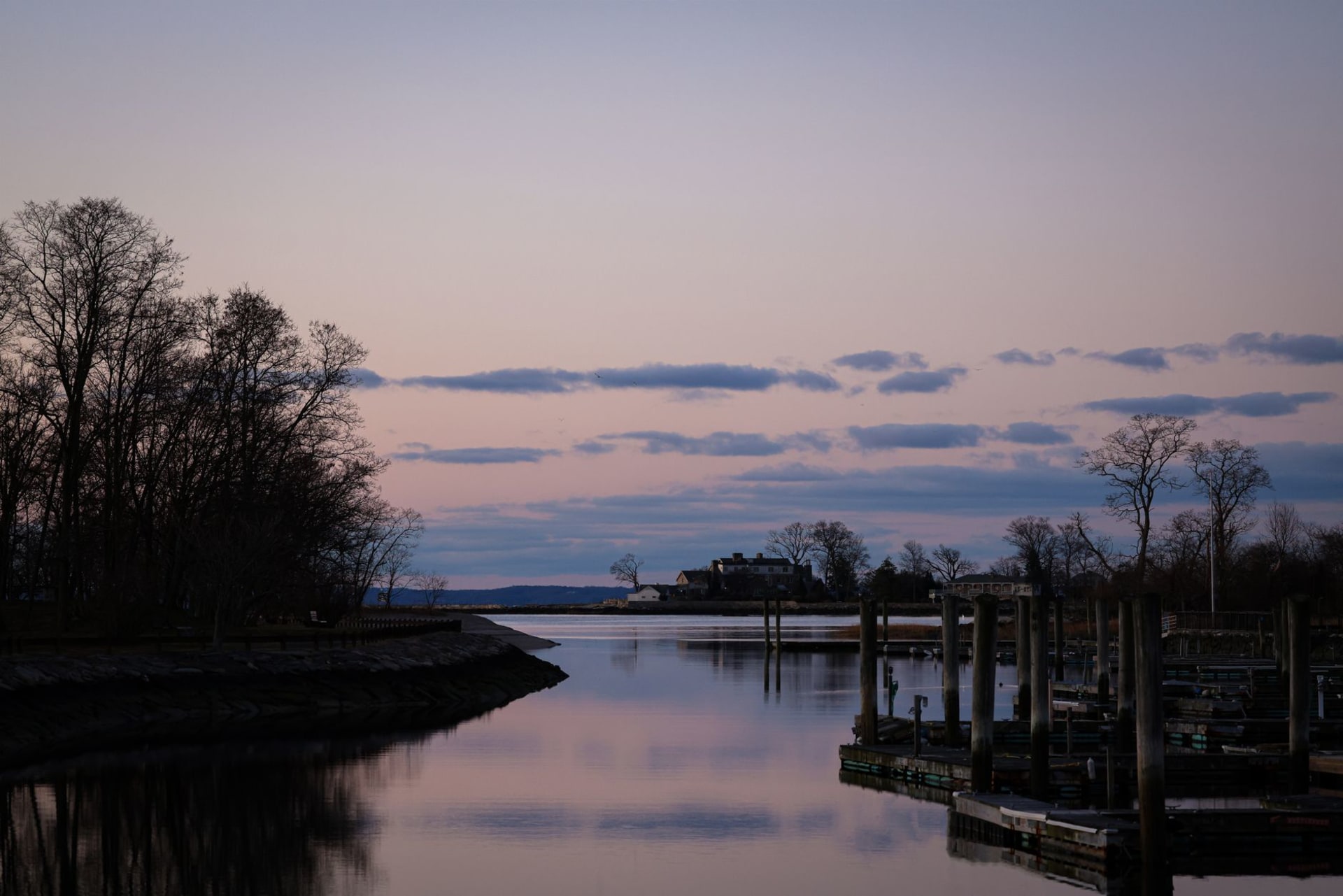
Mystic, Connecticut
"Standing on the deck of the Charles W. Morgan, I finally understood why men left for three years at sea."
The bascule drawbridge at the center of Mystic village opens every hour on the hour, and when it does, traffic stops on both sides and everyone — drivers, cyclists, pedestrians — just watches the boats go through. On the morning I arrived this happened within five minutes of my parking the car, and I stood at the railing while a forty-foot sloop motored under the raised span and out toward the harbor, the mast clearing the bridge deck by what looked like three feet. Nobody seemed particularly impressed. It happened every hour. I was impressed. This is the essential texture of Mystic: maritime life that continues, that is not performing itself for tourists but simply existing in a town that has always been oriented toward the water.
Mystic Seaport Museum sits at the south end of the village on the banks of the Mystic River, and it is the reason most people make the trip. The museum is not a collection of objects behind glass — it is a recreated nineteenth-century coastal village, complete with working shipyard, period buildings, and the centerpiece: the Charles W. Morgan, the last surviving wooden whaleship from the American fleet. She was built in 1841 and hunted whales across the Pacific and Atlantic for eighty years. Walking her decks, descending into the hold that once stank of blubber and whale oil, standing at the bow and looking back at her three masts, I felt something I don’t usually feel in museums, which is a visceral sense of what it cost. The scale of the ship, the smallness of the human spaces within her, the duration of the voyages she made — all of it clicked into a kind of awful comprehension.
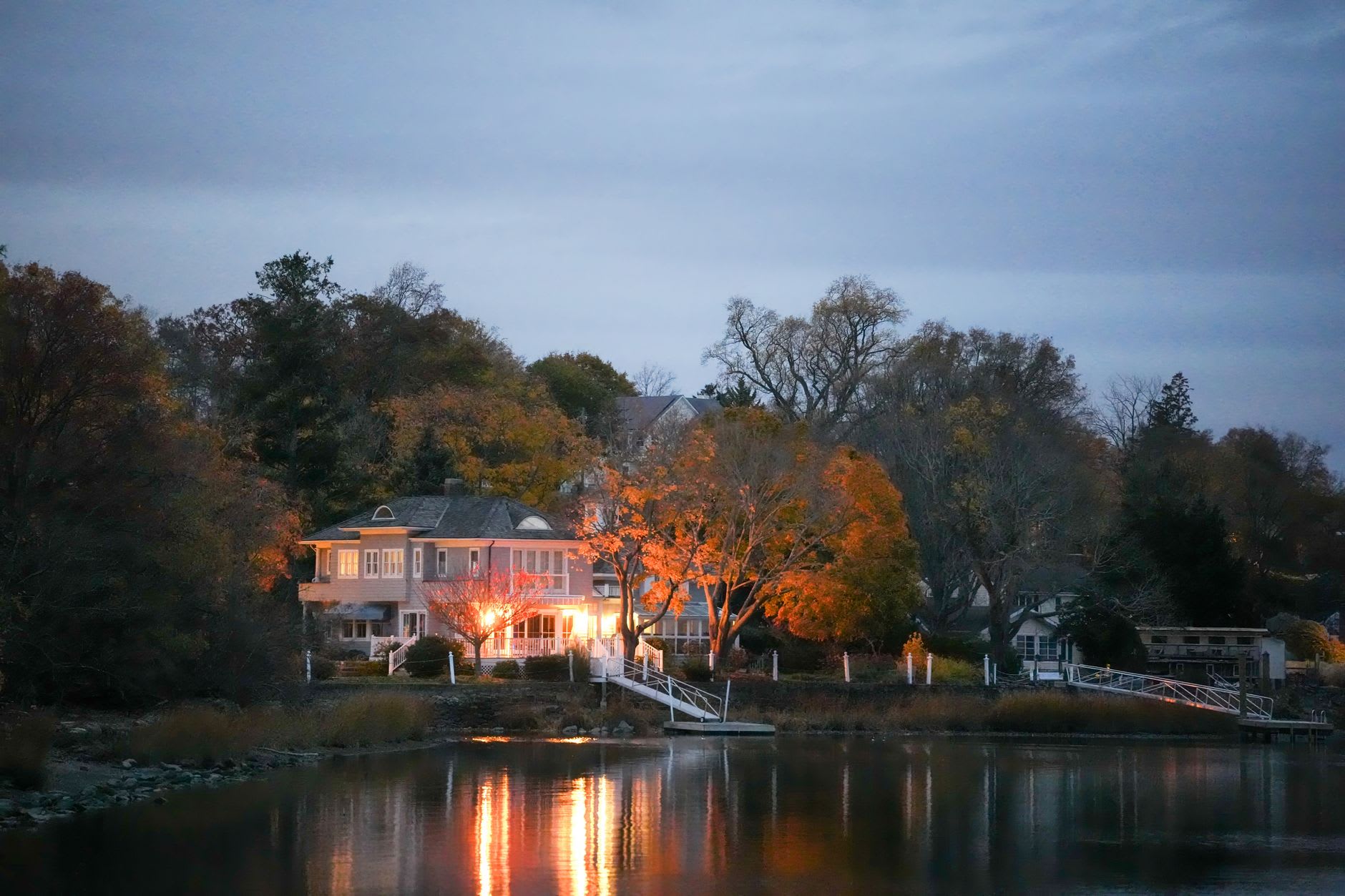
The village of Mystic itself — the blocks north of the seaport and around the drawbridge — is comfortable and small and has restaurants ranging from tourist-oriented to genuinely good. Mystic Pizza, the one that inspired the Julia Roberts film, is on West Main Street, and I ate a slice out of completeness and found it entirely acceptable, which is probably the most neutral thing I can say. For better eating I walked to a restaurant near the river that sourced its seafood from the local day boats and served a fried clam strip basket that came with a corn chowder that I thought about for the rest of the day — thick with sweet corn and potato, finished with something smoky that I couldn’t identify and didn’t ask about, because some things should retain their mystery.
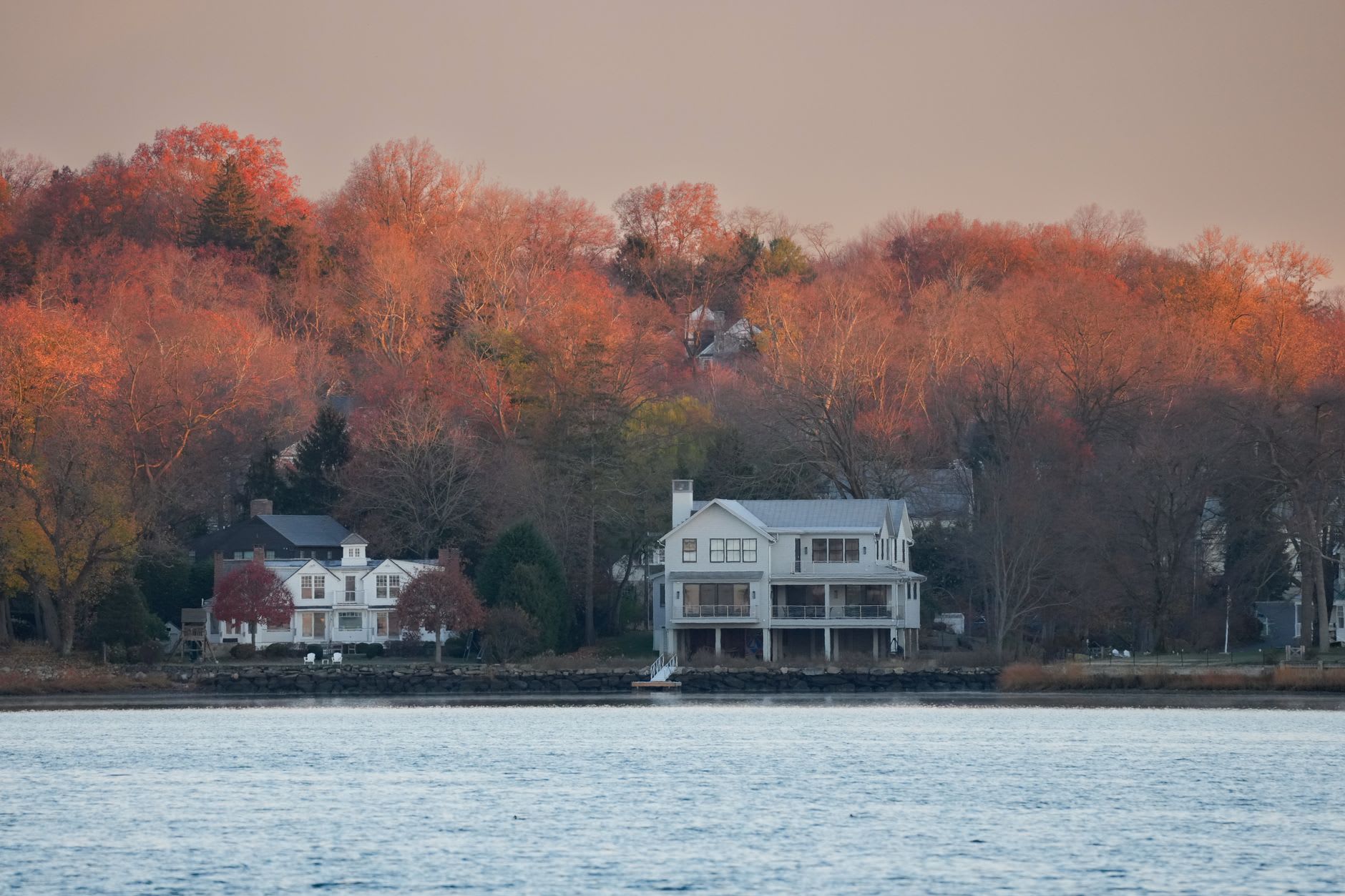
East of Mystic, Stonington Borough is worth the fifteen-minute detour. It is a small peninsula that juts into Fisher’s Island Sound, with a grid of nineteenth-century houses, a lighthouse museum at the tip, and a harbor that still has a small commercial fishing fleet. The town is quiet in a way that suggests it has decided to remain quiet and is comfortable with that decision. I walked the length of Water Street and back in forty minutes and sat on the stone breakwater at the end looking out toward Fishers Island and felt the particular peace of a place that the main tourist circuit has not found.
When to go: May through October for the full Mystic Seaport experience, including all museum buildings and the deck tours of the Morgan. September is the sweet spot — summer crowds gone, the water still warm, the light on the river extraordinary in the late afternoon. The seaport runs reduced winter hours from November through April, but the village itself is open and the drawbridge keeps its hourly schedule.