Kennebunkport, Maine
"Some towns you visit for the view. Kennebunkport, you visit for the smell of low tide and butter."
A shipbuilder's harbor town turned summer retreat, where lobster boats and presidential history share the same tide.
Lia and I got to Kennebunkport the way I think most people accidentally fall in love with it — driving in off Route 9 with no real plan, windows down, salt air replacing whatever we’d been breathing in Portland twenty minutes earlier. We parked near Dock Square almost by instinct, drawn by the cluster of white-clapboard buildings with black shutters that have clearly been selling something to someone since the 1800s, back when this was a shipbuilding town rich enough to put up buildings that still look proud of themselves a century and a half later. We wandered in and out of galleries and a bookshop with a cat asleep in the window, and ended up eating lobster rolls on a bench by the water, watching the masts of small sailboats tick back and forth against a sky that couldn’t decide if it wanted to be blue or gray.
What I didn’t expect was how quickly the town’s other identity announced itself. We were maybe two bites into lunch when someone at the next bench pointed toward the water and said, matter-of-factly, “that’s the Bush compound.” I knew vaguely that Kennebunkport had presidential connections, but seeing Walker’s Point in person — that spit of rock jutting into the Atlantic, purchased by George Herbert Walker back in 1903 and later the summer White House during George H.W. Bush’s presidency — was different from reading about it. It sits there unbothered by its own history, waves breaking against the same rocks they’ve broken against for over a century, and there’s something almost absurd about eating a five-dollar lobster roll within sight of it.
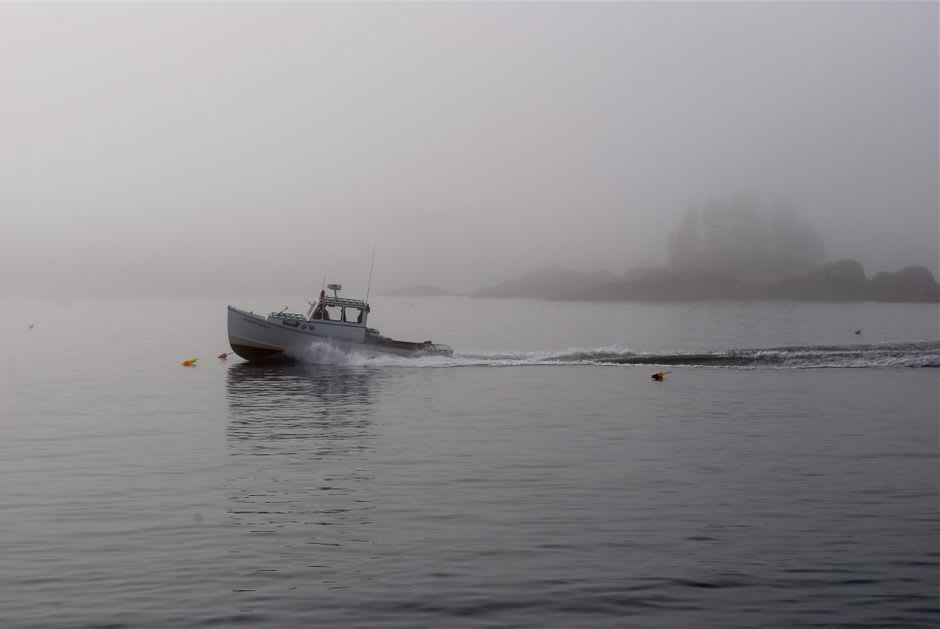
The part of Kennebunkport that actually stuck with me, though, wasn’t Dock Square — it was Cape Porpoise, a few minutes up the coast. It felt like the town’s working half, the one that doesn’t perform for anyone. Lobster boats stacked with traps, gulls arguing over bait buckets, guys in orange bibs hosing down decks before the next haul. We bought a pound of steamers from a shack that had clearly been there longer than either of us had been alive, sat on a rock, and ate them with our fingers while Lia tried, and failed, to convince me that lobster fishing looked like an easy life. It didn’t. But it looked like an honest one, and after the polish of downtown, that felt like the real Kennebunkport.
We ended the day back at the harbor as the light went gold, boats swinging slowly on their moorings, and I understood why 19th-century shipbuilders’ descendants turned this place into a summer resort instead of just letting the shipyards fade — you’d want an excuse to keep coming back too. When to go: we were there in early September, but locals told us late spring through early fall — May to October — is really the sweet spot, when the harbor is calm enough for a boat ride and the beaches finally shake off the Maine chill.
Keep exploring
More from New England
 new-england
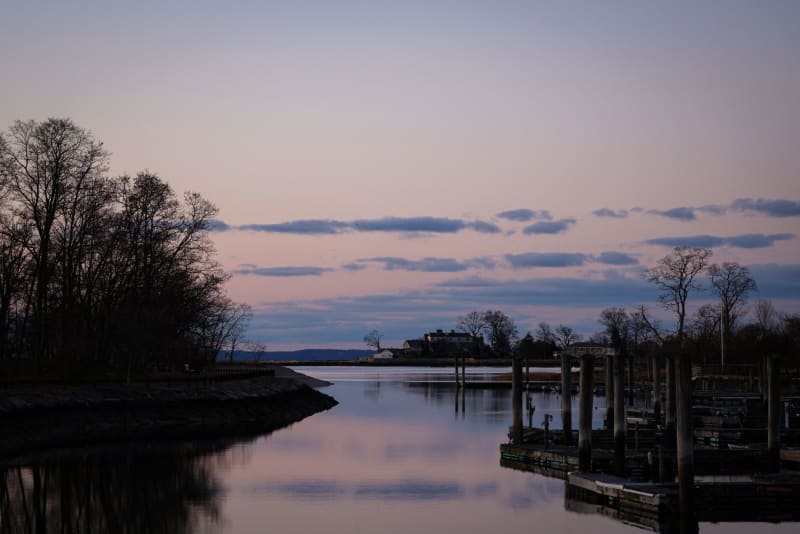
 Mystic, Connecticut
A preserved maritime village where the smell of tarred rope and the sound of rigging are not affectations — they are the point.
Explore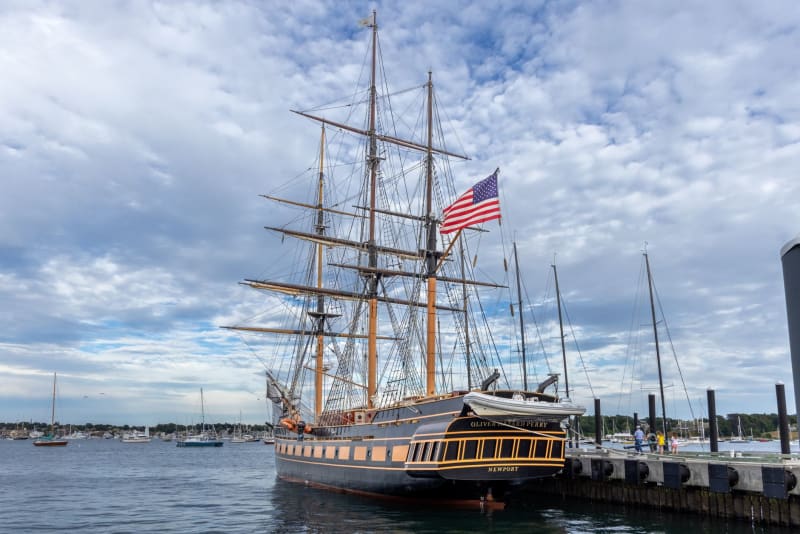 new-england
 Newport, Rhode Island
Gilded Age excess parked above the Atlantic — where obscene wealth was occasionally spent on buildings genuinely worth looking at.
Explore new-england
 Portland, Maine
A working harbor city that somehow became New England's most exciting food town without losing its salt-air grit.
Explore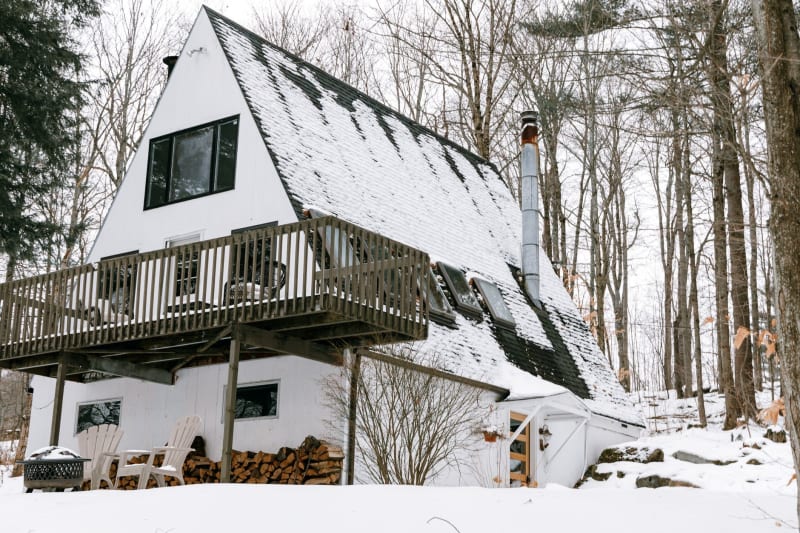 new-england
 Stowe, Vermont
A mountain village that takes foliage, farmstead cheese, and ski runs with equal, unhurried seriousness.
Explore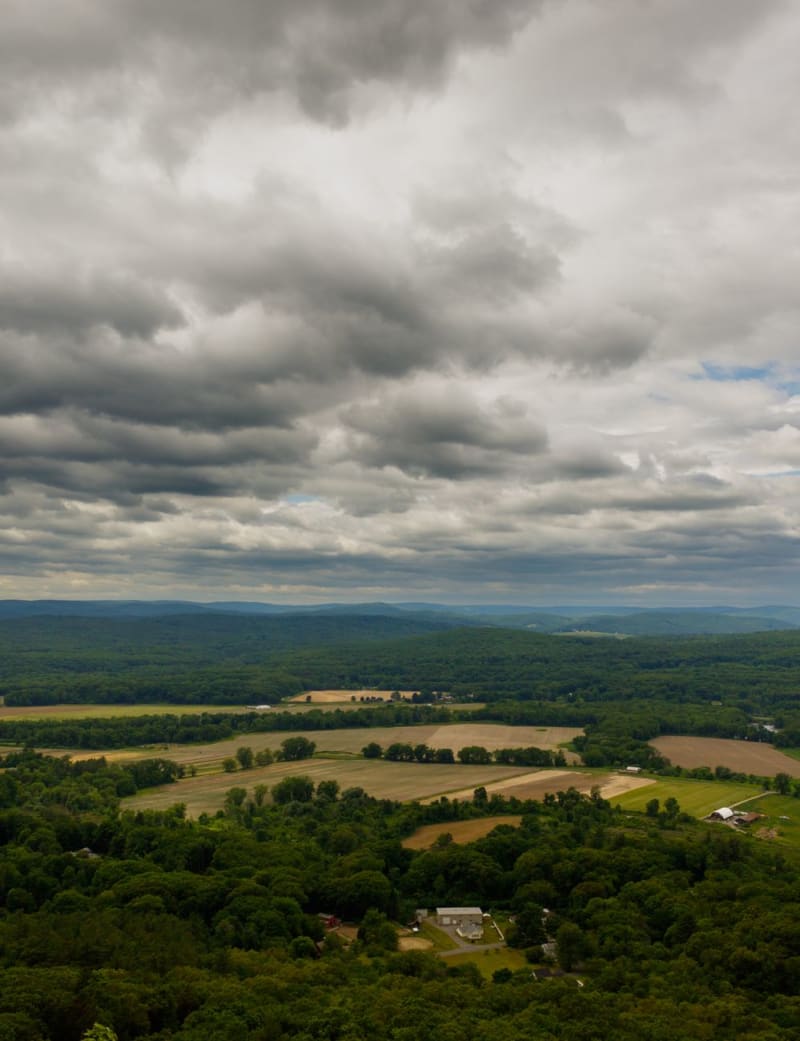 new-england
 The Berkshires
A range of soft wooded hills in western Massachusetts where old mill towns have quietly turned themselves into one of America's densest concentrations of music, art, and second homes.
Explore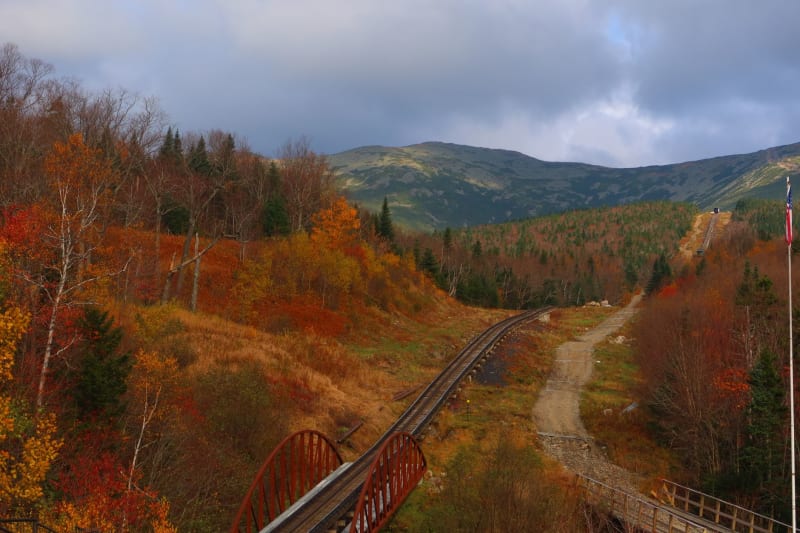 new-england
 White Mountains, New Hampshire
A serious mountain range in a small state — vertiginous ridgelines, sudden weather, and trails that don't apologize.
Explore