
Boston's North End
"Cannoli at midnight on Hanover Street — some things taste better when they have no business being this good."
I walked into the North End from Downtown Crossing on a Saturday night, crossing under the expressway overpass where the neighborhood still feels slightly severed from the rest of Boston, and within a block the scale changed. The streets narrowed. The signage shifted to Italian. The smell from the restaurant vents was garlic and olive oil and something caramelizing in a pan, and the sound was the specific sound of a neighborhood that has been itself long enough that it no longer needs to announce itself. The North End is Boston’s oldest neighborhood and its most intact ethnic enclave, and it wears both facts quietly, without the heritage-park self-consciousness that kills these places elsewhere.
Hanover Street is the main artery, and on a Saturday night it is an exercise in cheerful density. The restaurants spill tables onto the narrow sidewalks, the lines for the bakeries stretch out the doors, and the whole street smells of espresso and frying dough. The cannoli debate here is real and ongoing: Mike’s Pastry on one side of Hanover, Modern Pastry on the other, each with its partisans who will explain to you at some length why the other is wrong. I tried both. Mike’s is louder and more famous and its cannoli have a slightly sweeter shell. Modern’s are smaller and crisper and filled to order and I preferred them, but I am aware this is a position I hold with less confidence than I pretend. The right answer is probably to eat one from each place on the same evening, which is what I did.
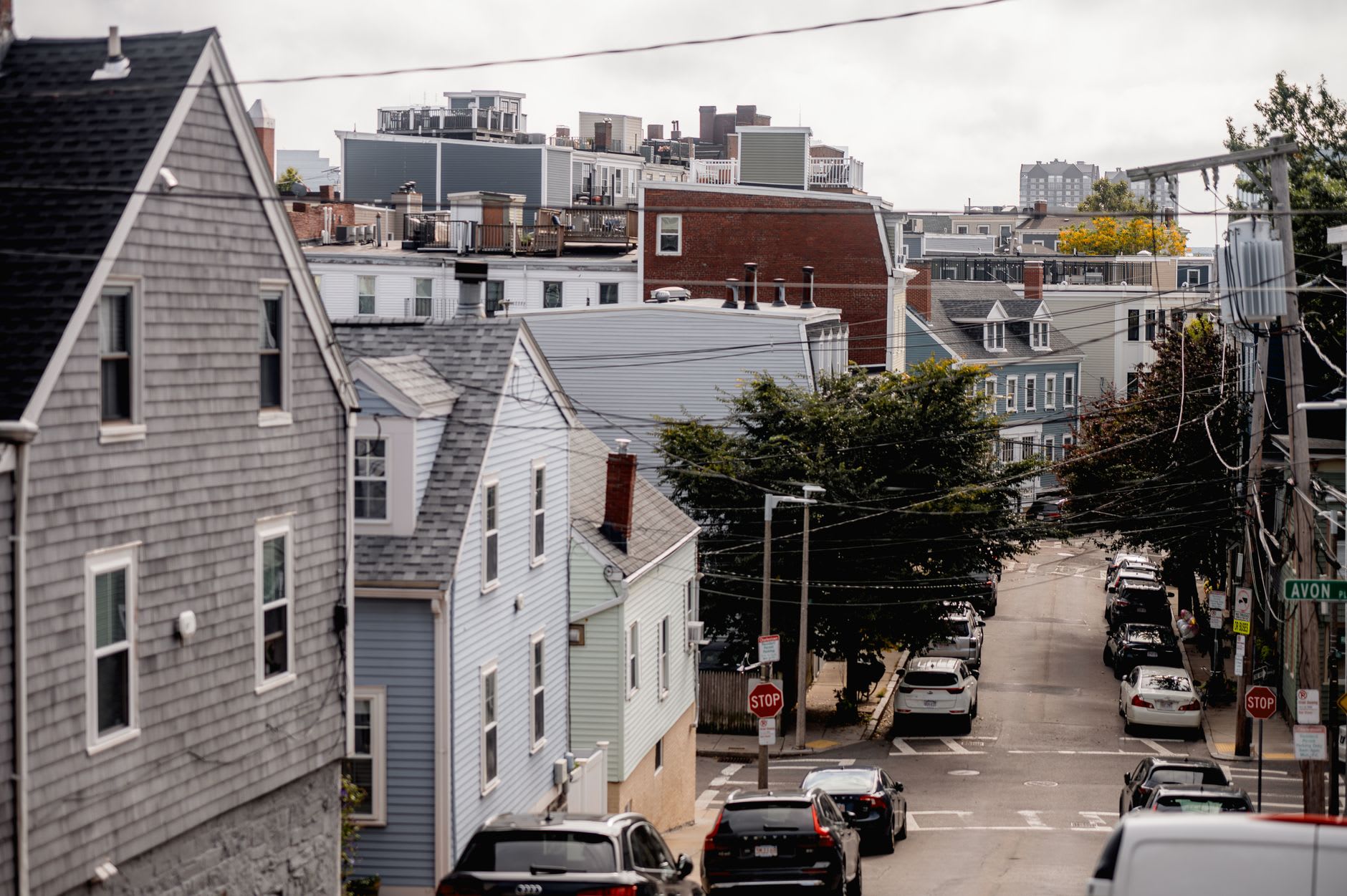
The restaurants range from the red-sauce old-guard to the newer generation of Italians cooking with more ambition, and I love both categories without apology. At a long-running table-cloth place near the Old North Church I ate a pasta alle vongole that was simple and correctly made and exactly what I needed after a long afternoon walking the Freedom Trail. The clams were from New England waters and the wine was a Vermentino from Sardinia and the bread basket was bottomless and the room was full of families arguing gently about where to go for dessert. Later I found a newer place on Salem Street where a young chef from Rome was doing something more technically precise with house-made pasta and local shellfish, and it was excellent in a different way — more interested in being noticed.
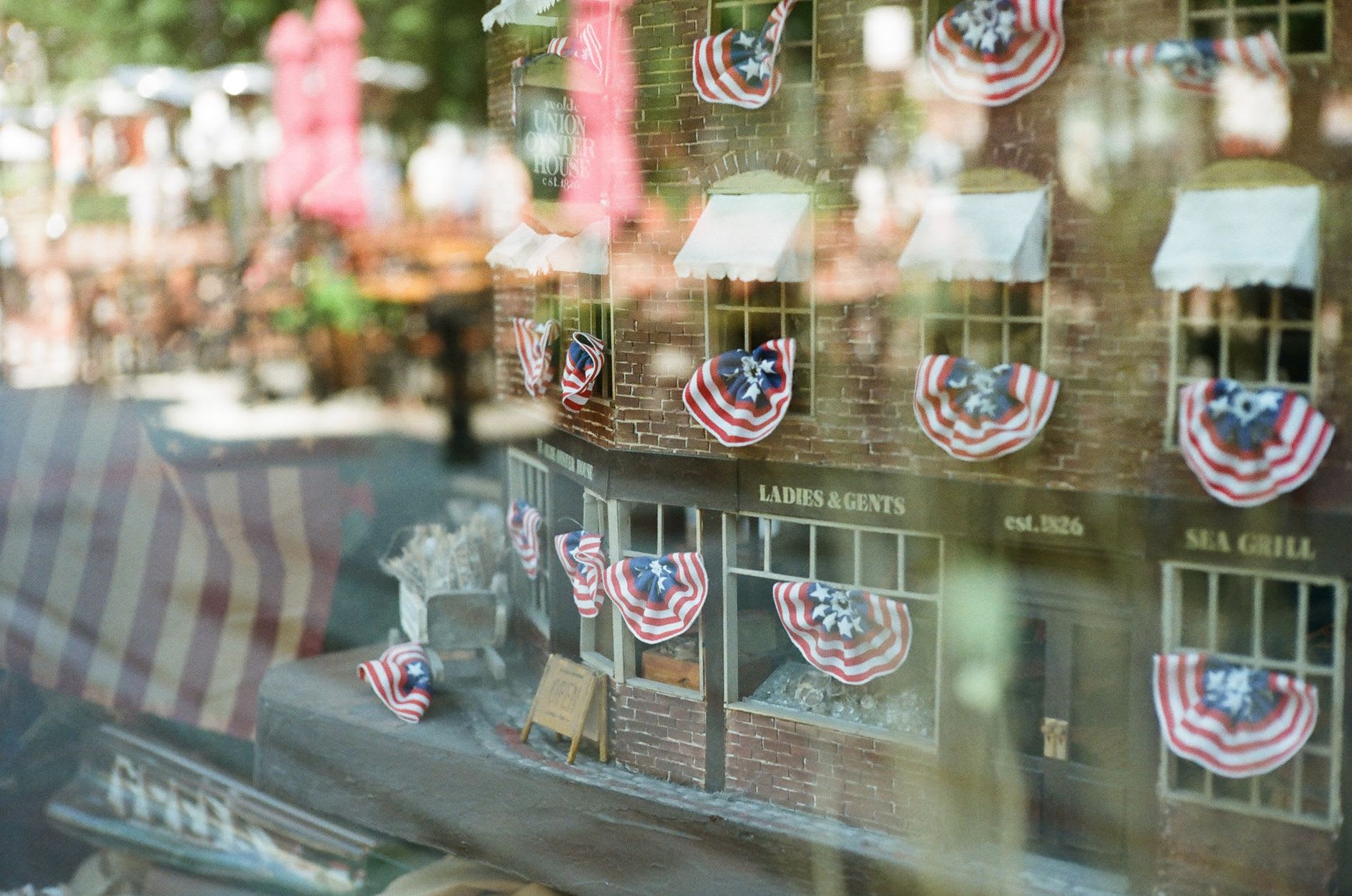
The neighborhood’s streets reward walking without direction. Prickett Street, Charter Street, the crooked lanes around the waterfront — there are corners here that look unchanged since the eighteenth century, and the Copp’s Hill Burying Ground on the north side of the neighborhood is a sobering reminder that Boston’s oldest and most settled neighborhood was built on top of three centuries of itself. The Old North Church, where the lanterns hung in 1775, sits on Salem Street in a way that makes it feel like any other neighborhood fixture until you remember what it is. The North End holds its history the way it holds everything else: close, unremarked, present without insisting.
When to go: Year-round — the North End is one of the few Boston neighborhoods that feels genuinely alive in every season. August is the Feast of Saint Anthony, the biggest Italian street festival in New England, with processions and food stalls. Summer evenings on Hanover Street are vivid and warm and crowded in a way that is entirely pleasant. Winter draws the neighborhood inward and the pastry shops and the espresso bars become refuges against the cold.