Block Island, Rhode Island
"No through traffic, three miles of clay bluffs, the Atlantic — Block Island doesn't need to try."
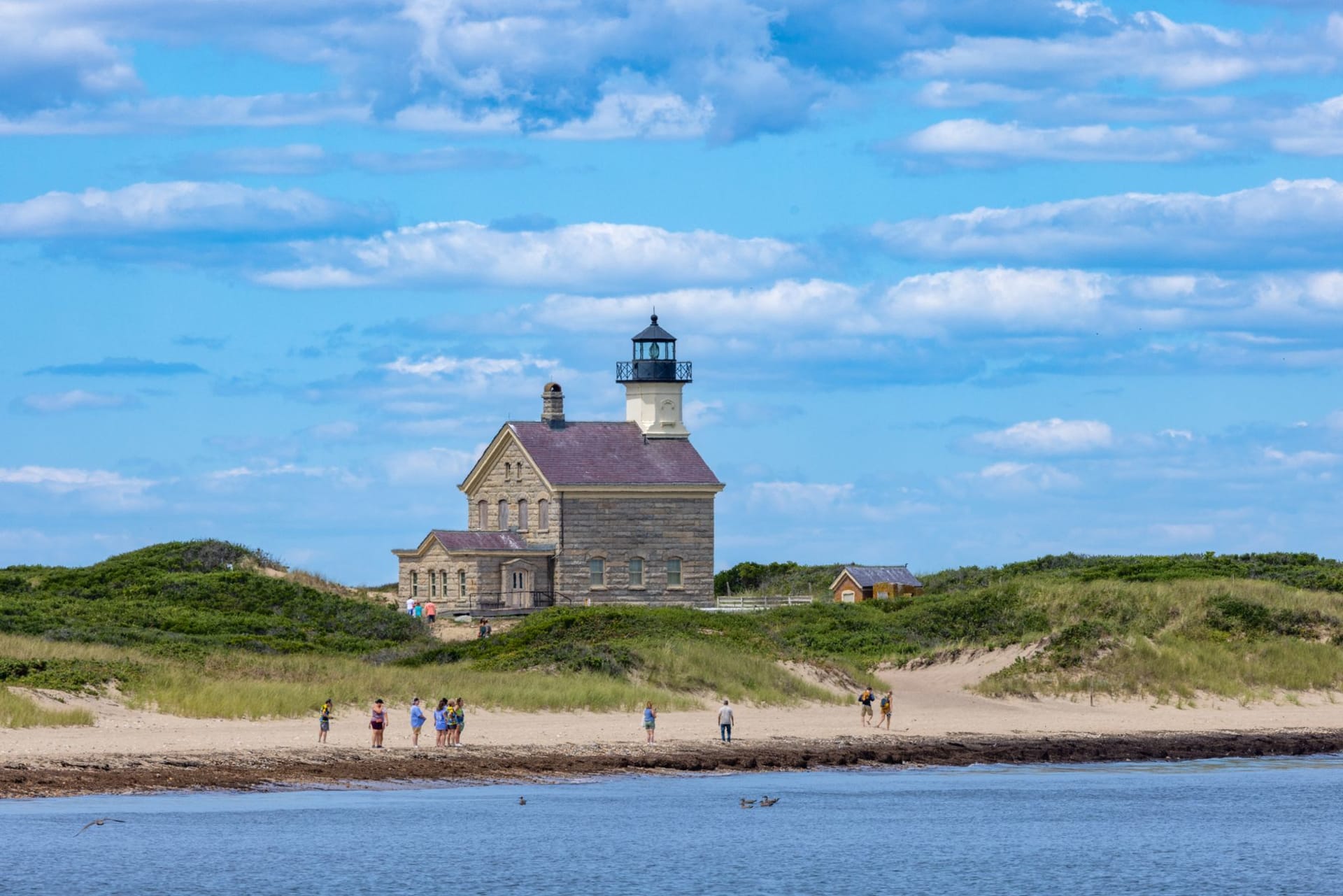
The ferry from Point Judith takes an hour, which is long enough to establish the idea that you are leaving something behind. I made the crossing in late September on a boat that was carrying exactly six other passengers, a bicycle, and what appeared to be someone’s appliance delivery, and watched the Rhode Island coast recede and then disappear and then reappear in the form of Block Island’s low silhouette, appearing first as a darker shade of gray on the horizon and resolving slowly into bluffs and a lighthouse and the Victorian rooflines of Old Harbor. When the boat docked and I walked the ramp onto the pier, the first thing I noticed was the absence of the sound I hadn’t realized I was tired of: no cars idling, no highway noise, almost no mechanical sound at all. Block Island has roads, but they feel incidental — the island is only seven miles long and three miles wide, and most of it is conserved land.
I rented a bicycle from the dock and rode south toward the Mohegan Bluffs, the island’s most dramatic feature. The road climbs through open moorland — grasses and low shrubs, the sky very large above the island’s flat topography — and then the bluffs appear without warning: two hundred feet of red clay dropping almost vertically into the North Atlantic, the water below moving in slow dark swells. I stood at the railing at the cliff’s edge and looked south toward the horizon and there was nothing between me and the Azores. The scale of this is not subtle and I was not subtle in my response to it. I stood there for a long time.
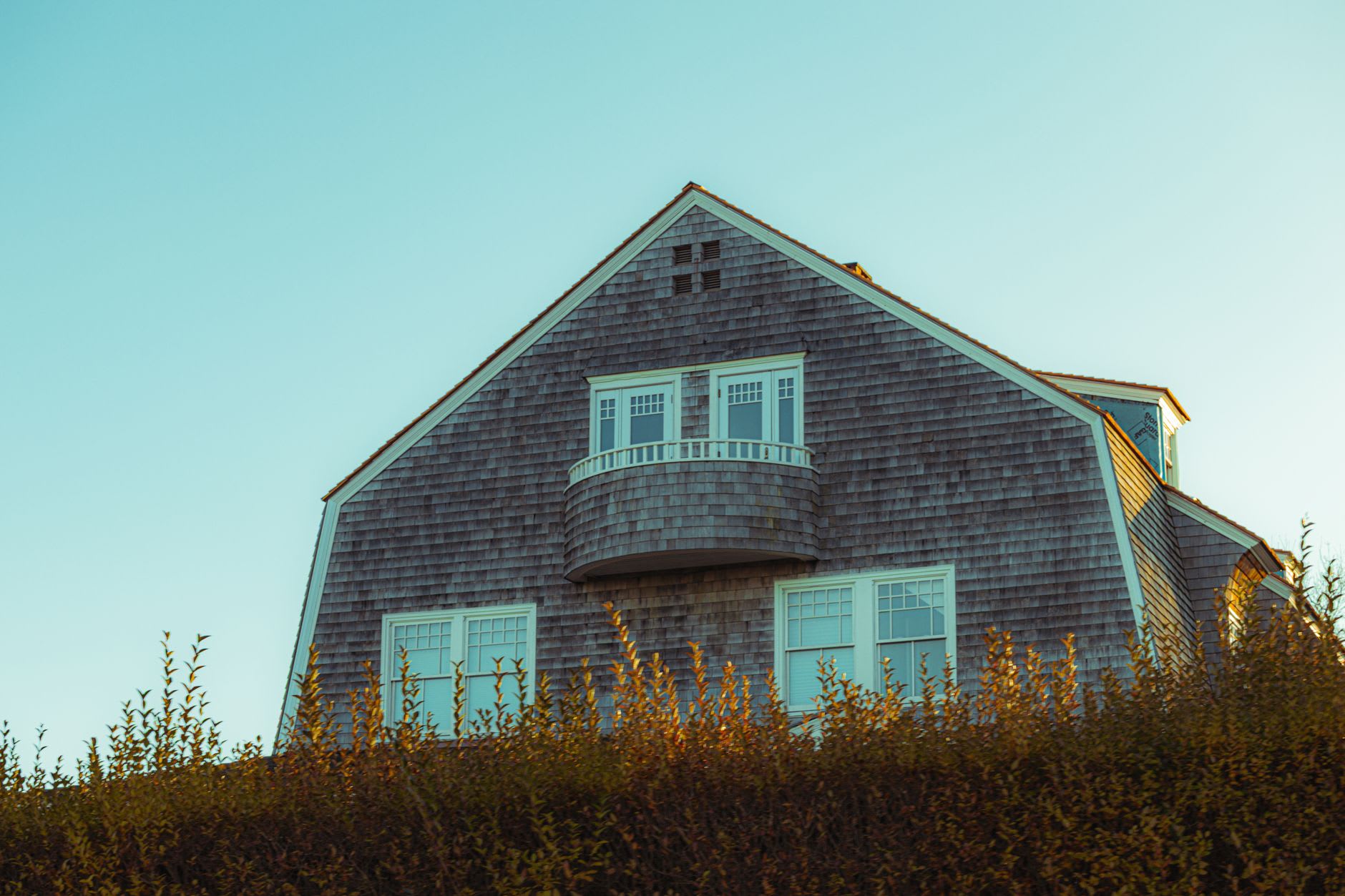
The island’s interior is dominated by glacial kettle ponds — depressions left by the retreating ice sheet, now filled with fresh water and ringed by reeds and cattails. Great Salt Pond on the western side is the exception: tidal, protected, and in summer full of the most extraordinary concentration of cruising sailboats I have ever seen — hundreds of them at anchor, their masts a small forest. In September the fleet had thinned to a few dozen, and the water was calm and green and the light on it at four in the afternoon was doing the thing that late-season New England light does everywhere. I sat on the seawall at the New Harbor and watched a heron work the shallows for twenty minutes without moving.
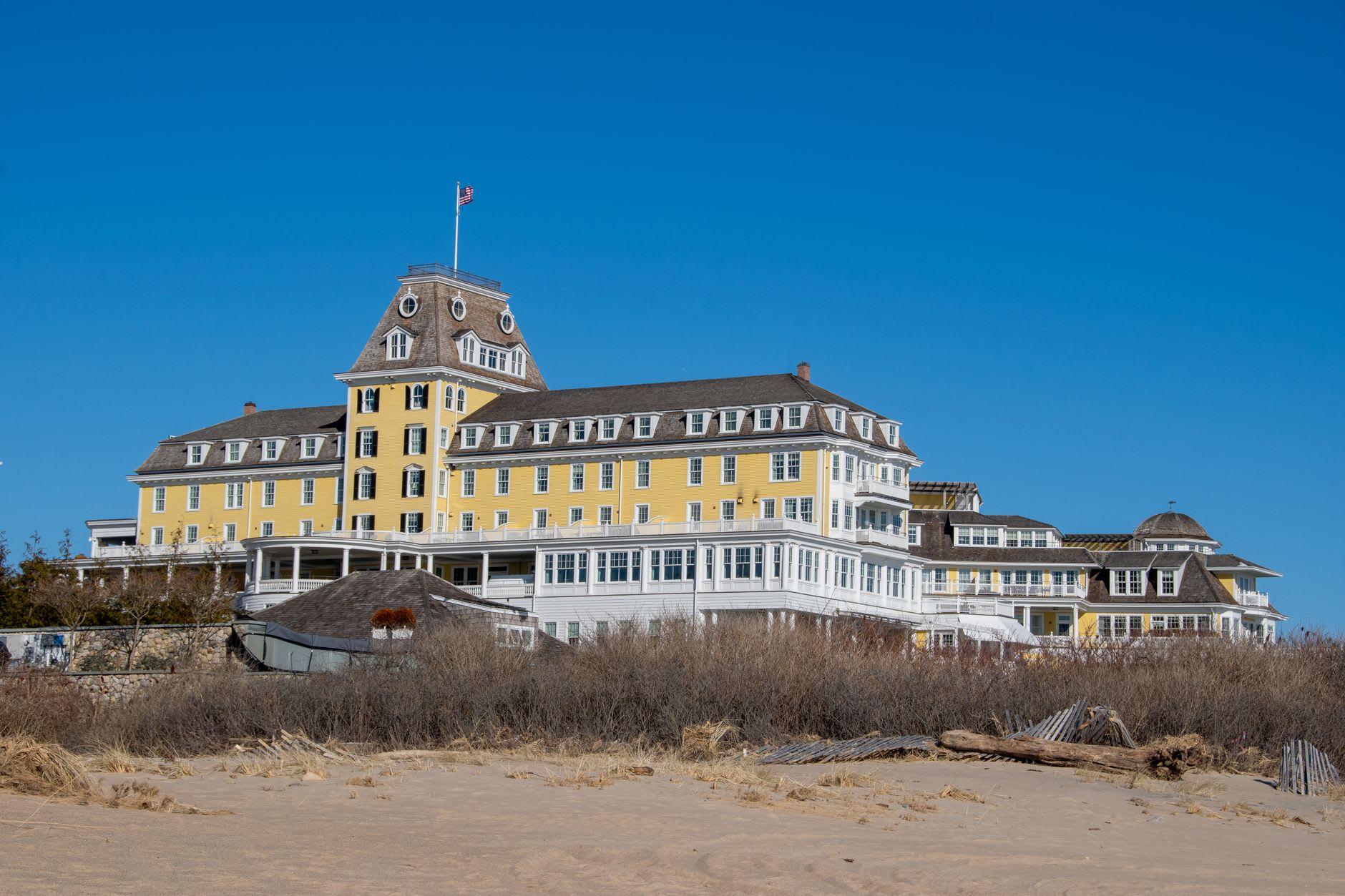
Old Harbor is the island’s only real town, built around the ferry landing and a grid of Victorian hotels that in summer are full and boisterous and in September are beginning to go quiet in a way that feels like a held breath. I ate dinner alone at a bar off Water Street — chowder and a grilled fish and a glass of something cold — and the bartender and I talked about what the island is like in January when the population drops from ten thousand to about a thousand and the ferries run twice a day and the grocery store keeps one register open. She described it with something between affection and the careful clarity of someone who has thought long and hard about their reasons for staying. I found this more interesting than most conversations I have in places that are trying to impress me.
When to go: September is the answer most people who love Block Island give when you ask. The summer crowds are gone, the island goes quiet, the bluffs are yours. The migratory bird season runs September through October and the island is a significant rest stop on the Atlantic Flyway — if birds are your thing, this is a serious destination. Ferries run year-round from Galilee, though less frequently in winter and not from Newport or New London.