Nouméa
"Every morning in Nouméa, someone is drinking an espresso while watching a pirogue cross the lagoon."
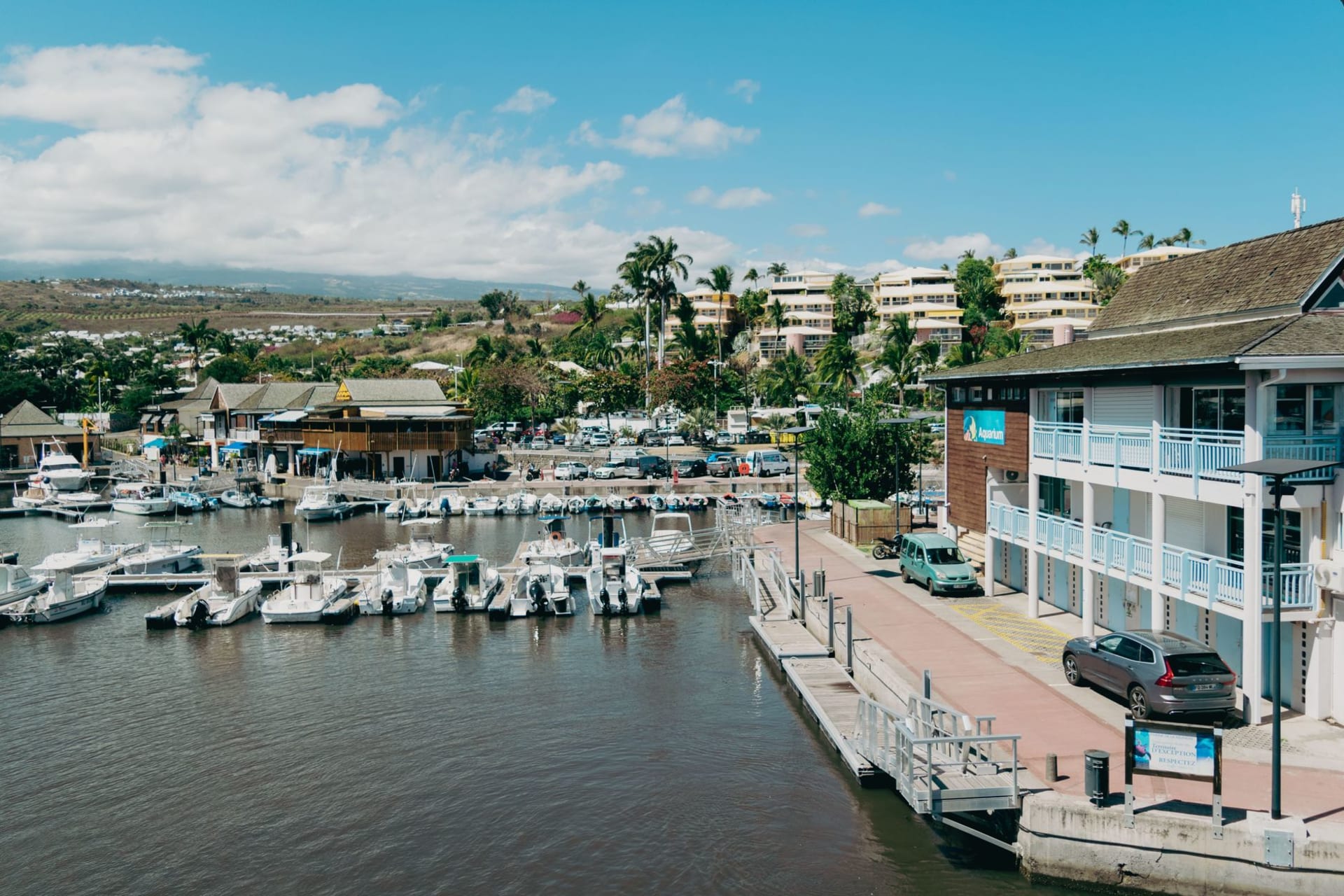
I arrived by taxi from Tontouta airport at dusk, and the city materialised slowly — first the roundabouts and petrol stations that could belong to any provincial French town, then the bay, sudden and enormous, catching the last of the light in a shade of blue that has no equivalent in European geography. The driver spoke to me in French. A pirogue — a narrow outrigger canoe — was crossing the Moselle Bay. Neither of us mentioned the contradiction. In Nouméa, the contradiction is the whole arrangement.
The city is built across a peninsula, and the hills that run down its spine give almost every neighbourhood a view of water. The oldest quarter, the Latin Quarter, clusters around narrow streets near the port, with low buildings painted in faded pastels and a covered market where the morning produce stalls sell taro, yam, and pineapple three metres from a cheese counter that would satisfy a Parisian. I spent a morning there drinking coffee at a table on the pavement, watching the mix of faces — Kanak, Caldoche, métro French, Vietnamese, Wallisian — that makes Nouméa feel like a city assembled from several different histories that haven’t fully decided whether to cohere.
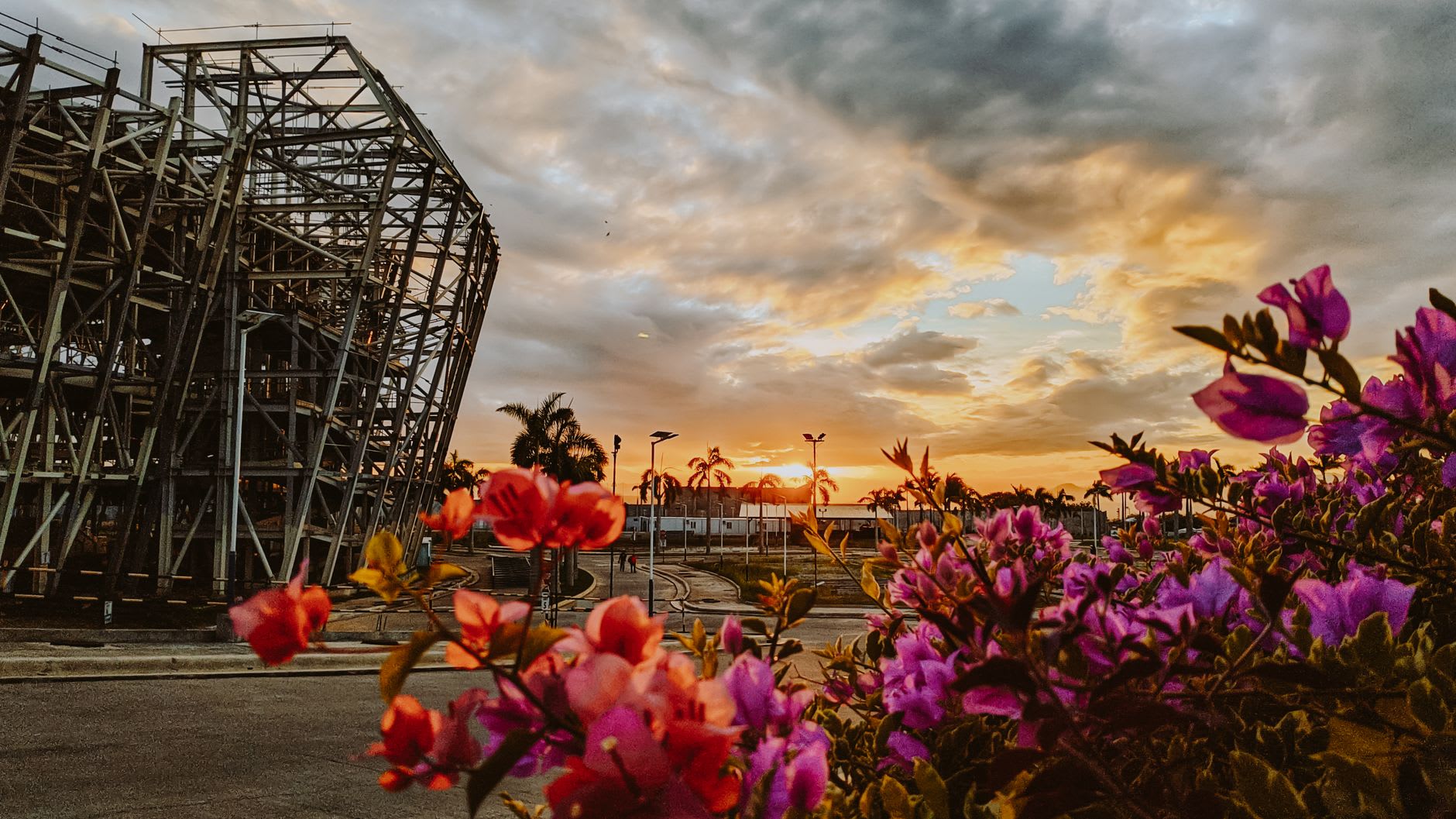
The Moselle Bay waterfront is where the city exhales in the evenings. The rouleaux — food trucks, essentially, though “truck” undersells the permanence of these low-slung wooden kiosks — ring the bay from early afternoon, and by nightfall the waterfront is full. You eat standing up, or at plastic tables dragged close to the water. The food runs to grilled fish, beignets, nems crisped in oil, and occasionally bougna if you know where to look. Prices are modest. The Manta beer, served cold in brown bottles, costs about the same as it would in any Pacific town that isn’t trying too hard. I ate there three nights in a row, which tells you what you need to know about the restaurants.
The Tjibaou Cultural Centre sits north of the centre on the Tina Peninsula, and it is one of the more quietly remarkable buildings I’ve encountered in the Pacific. Designed by Renzo Piano and opened in 1998, it takes the form of a series of soaring wooden structures that reference traditional Kanak case architecture — high-roofed, ventilated from below — while being unmistakably contemporary. The collection inside charts Kanak culture from the oral tradition through to the present independence movement. What the building does that the collection cannot quite manage is make you feel the stakes: this is a culture asserting its right to its own aesthetic language in a city that long treated it as decorative.

Nouméa is not a city that demands sightseeing in any conventional sense. Its pleasures are ambient — the quality of the light on the bay in the late afternoon, the way the French and Kanak calendars overlap without quite aligning, the discovery of a bar in the Latin Quarter where someone has been playing the same old French pop albums since the 1980s. It is a city to inhabit for a few days rather than to tick off. Leave time for nothing in particular. The lagoon will provide its own agenda.
When to go: April through October is the dry season and the most comfortable window — temperatures between 18 and 26°C, clear skies, and the lagoon at its most transparent. July and August draw the most visitors; September and October offer almost identical conditions with smaller crowds and slightly lower prices on accommodation.