Pacific
New Caledonia
"France built a colony in the Pacific and somehow forgot to make it feel colonial."
I landed in Nouméa expecting something caught between two worlds and found something more unsettling than that: a place that has genuinely absorbed both. The airport is efficient and signposted in French. The taxi driver greets you in French. The boulangerie near the waterfront sells croissants that would not embarrass a Paris 11th arrondissement bakery. And then you drive twenty minutes and you are standing at the edge of a lagoon so vast, so improbably blue, that the word “lagoon” feels like a category error — this is an inland sea, 24,000 square kilometres of it, enclosed by the world’s second-largest barrier reef and listed by UNESCO as one of the most diverse coral ecosystems on the planet. The cognitive dissonance between the espresso and the water never resolves. That is the whole point of New Caledonia.
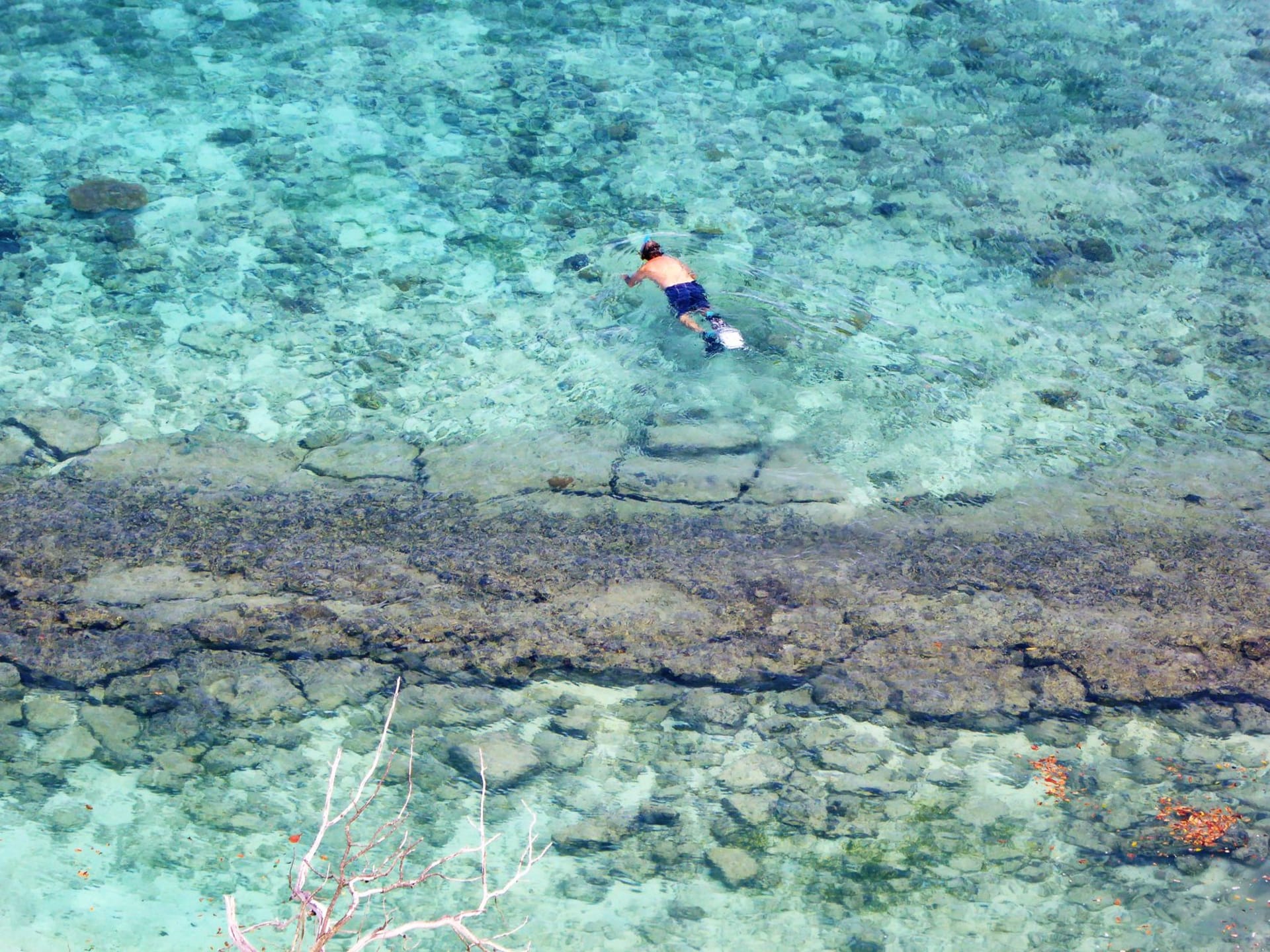
Grande Terre, the main island, is not a beach holiday in the conventional sense. The reef is everything, and you access it by boat, by kayak, by simply walking into the water at certain points along the west coast where the shallows extend so gently you are knee-deep a hundred metres out. The Isle of Pines, a forty-minute flight south, is the showpiece — the natural swimming pools at Oro Bay are among the most photographed scenes in the Pacific for legitimate reasons, the water so transparent and warm that snorkelling there feels like hovering in liquid glass. But the less-visited Loyalty Islands — Lifou, Maré, Ouvéa — offer the same quality of water with a fraction of the visitors and a stronger sense of the Kanak culture that predates every French postal code.
The food here requires a recalibration. This is not the kind of French food that performs its Frenchness — it is quieter than that, inflected by the Pacific. Venison from the bush is everywhere, because the feral deer population on Grande Terre is enormous and regularly hunted. Bougna, the traditional Kanak dish of taro, yam, and meat slow-cooked in coconut milk inside banana leaves, appears on menus that also list croque-monsieurs without any apparent irony. The wine is imported and overpriced. The local Manta beer is cold and exactly sufficient. Eat at a roulotte — the food trucks that ring the Moselle Bay waterfront in Nouméa — and you will eat better than at most of the restaurants.
When to go: April through November is the dry season and the clear choice. The water is calmer, visibility on the reef is at its best, and temperatures stay between 20 and 28°C. September and October are particularly good — the whale season (humpbacks pass through the lagoon between July and September) is winding down, crowds are thin, and prices drop from the July–August peak. Avoid January and February if you care about diving: the wet season brings reduced visibility and the occasional cyclone.
What most guides get wrong: They sell New Caledonia as a luxury Pacific resort destination and miss that the most extraordinary thing here is completely free. The public beaches along the west coast of Grande Terre are accessible, largely empty, and sit on the same lagoon as the expensive resort islands nearby. You do not need to stay at a floating bungalow to be in the water. Rent a car, drive north from Nouméa past Bourail, stop wherever the road gets closest to the coast, and walk in. The reef will find you.