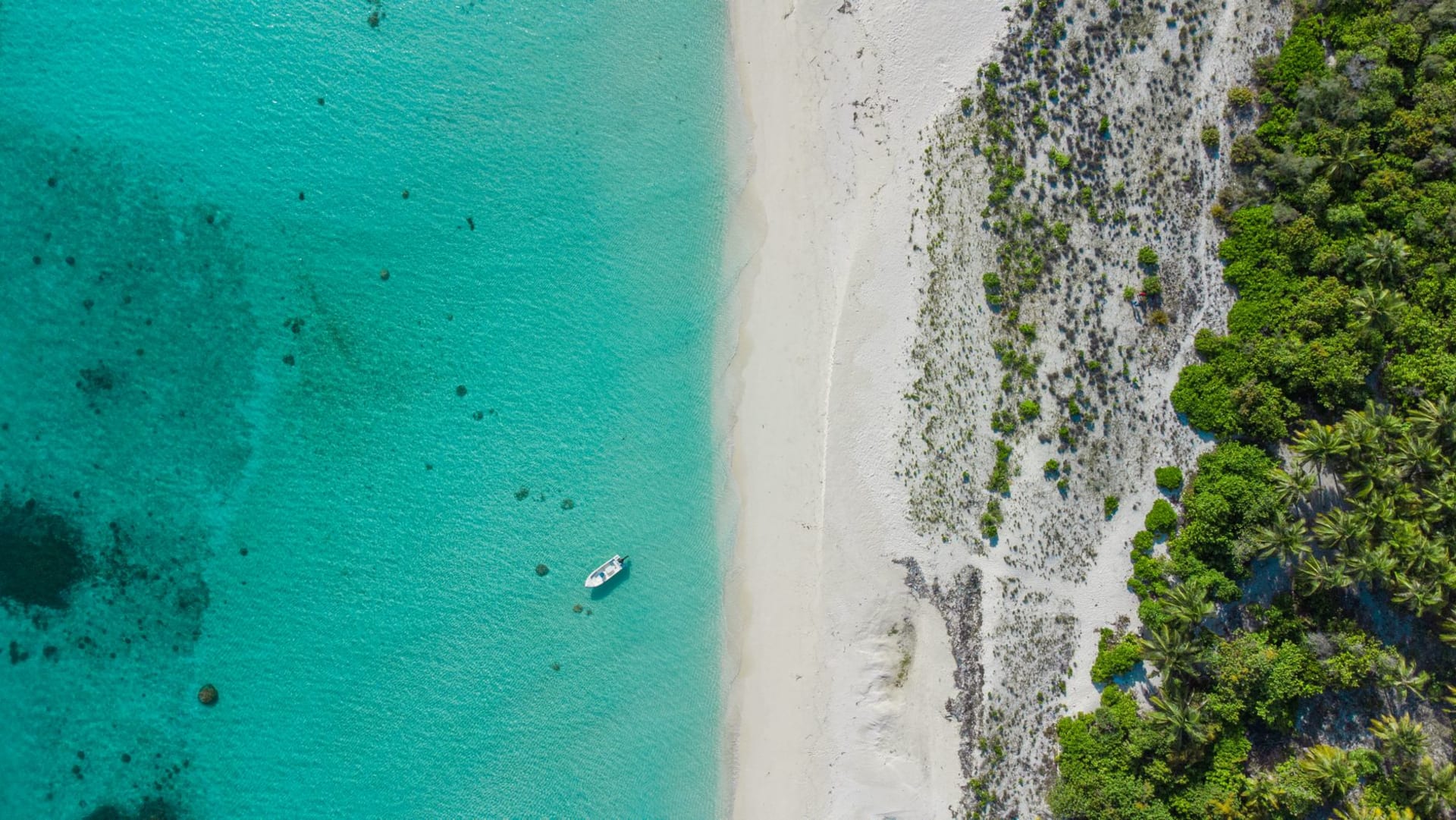
Isle of Pines
"The water at Oro Bay is so clear you start wondering if you're seeing the bottom or a photograph of the bottom."
The flight from Nouméa takes forty minutes. You board a small prop plane at Magenta domestic airport, climb over the southern coast of Grande Terre, cross twenty minutes of open Pacific, and then the Isle of Pines rises out of the water below you — a dark green oval fringed with white, the whole thing ringed by a lagoon so transparently turquoise that you can see the sand patterns on the bottom from the air. I had my face against the window like a child. The person next to me, a Nouméan returning home for a visit, looked amused.
The island takes its name from the Araucaria columnaris pines that grow everywhere — tall, narrow, absurdly straight, like nature’s own exclamation marks planted across every ridge and headland. Walking the inland tracks in the late afternoon, the light filters through them at a low angle and the whole forest turns amber. The smell is resinous and slightly sweet, nothing like a European pine forest. You hear insects, occasional birdsong, the intermittent sound of the sea, and nothing else.
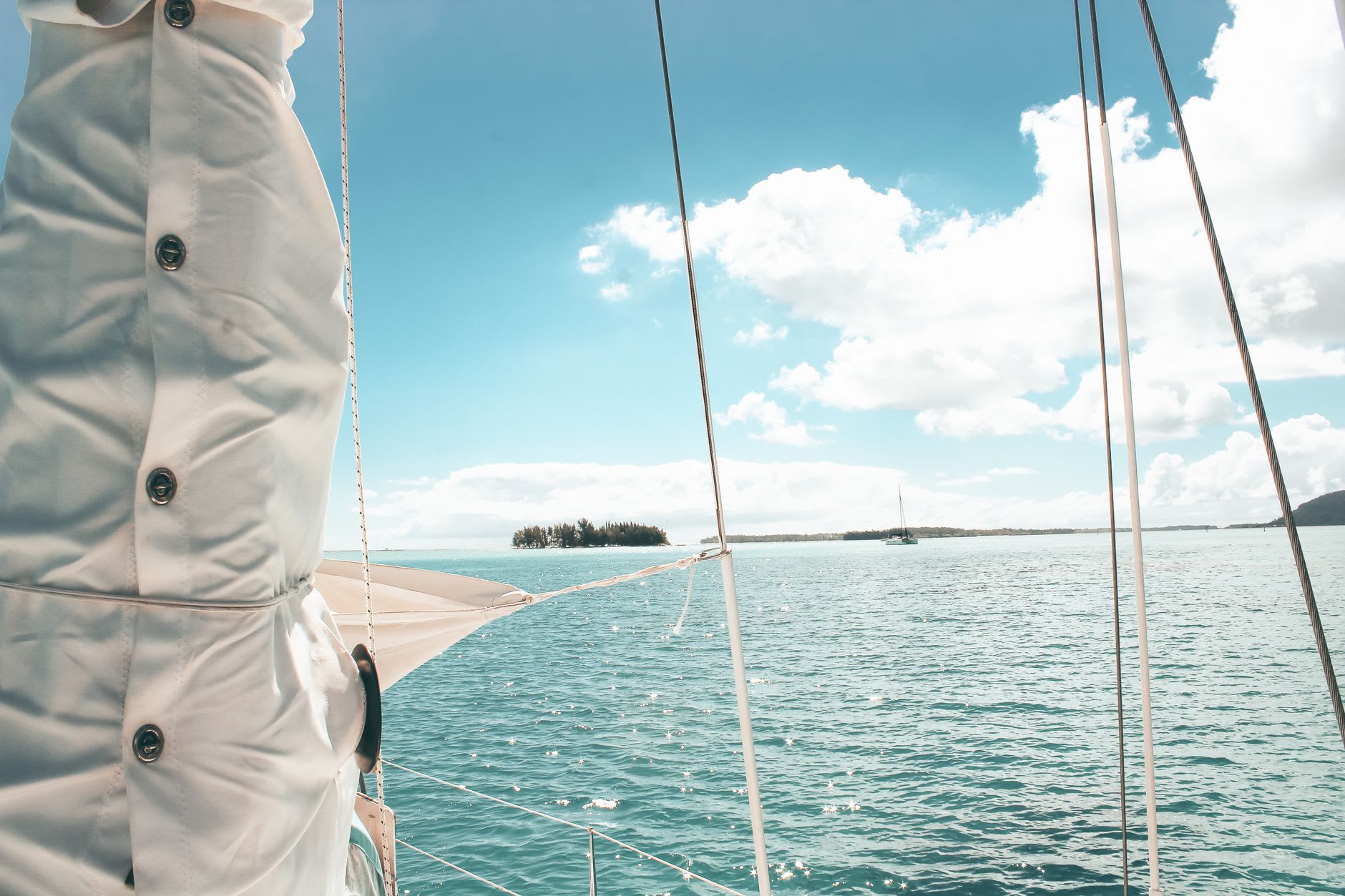
Oro Bay is the reason people come here, and the photographs — and there are countless photographs — do not lie, which is unusual. The natural swimming pool at Oro Bay is an enclosed seawater lagoon, shallow enough to stand in almost anywhere, with a sandy bottom visible in perfect detail through water that is the colour of a swimming pool advertisement except genuine. I snorkelled there for two hours and found coral formations along the outer edge, turtles moving slowly in the shallower zones, and a quality of silence underwater that felt almost deliberate, as though the bay had agreed to keep the noise out. Above the waterline, the pines line the shore and lean slightly toward the water, and if you are there in the morning before the day-trippers arrive by catamaran from Nouméa, you have the whole thing to yourself.
The village of Vao sits at the southern tip of the island and is the main settlement — a church built in coral stone, a handful of shops, a market that runs on Saturday mornings. The Kanak community here administers the island’s tourist sites through a tribal council arrangement, and the campgrounds and simple fare fare accommodation scattered around the coast are managed through that structure. I stayed at one near Kuto Bay, a small hut on the water’s edge with a porch that faced east, and woke each morning to the sound of the lagoon coming alive with birds.
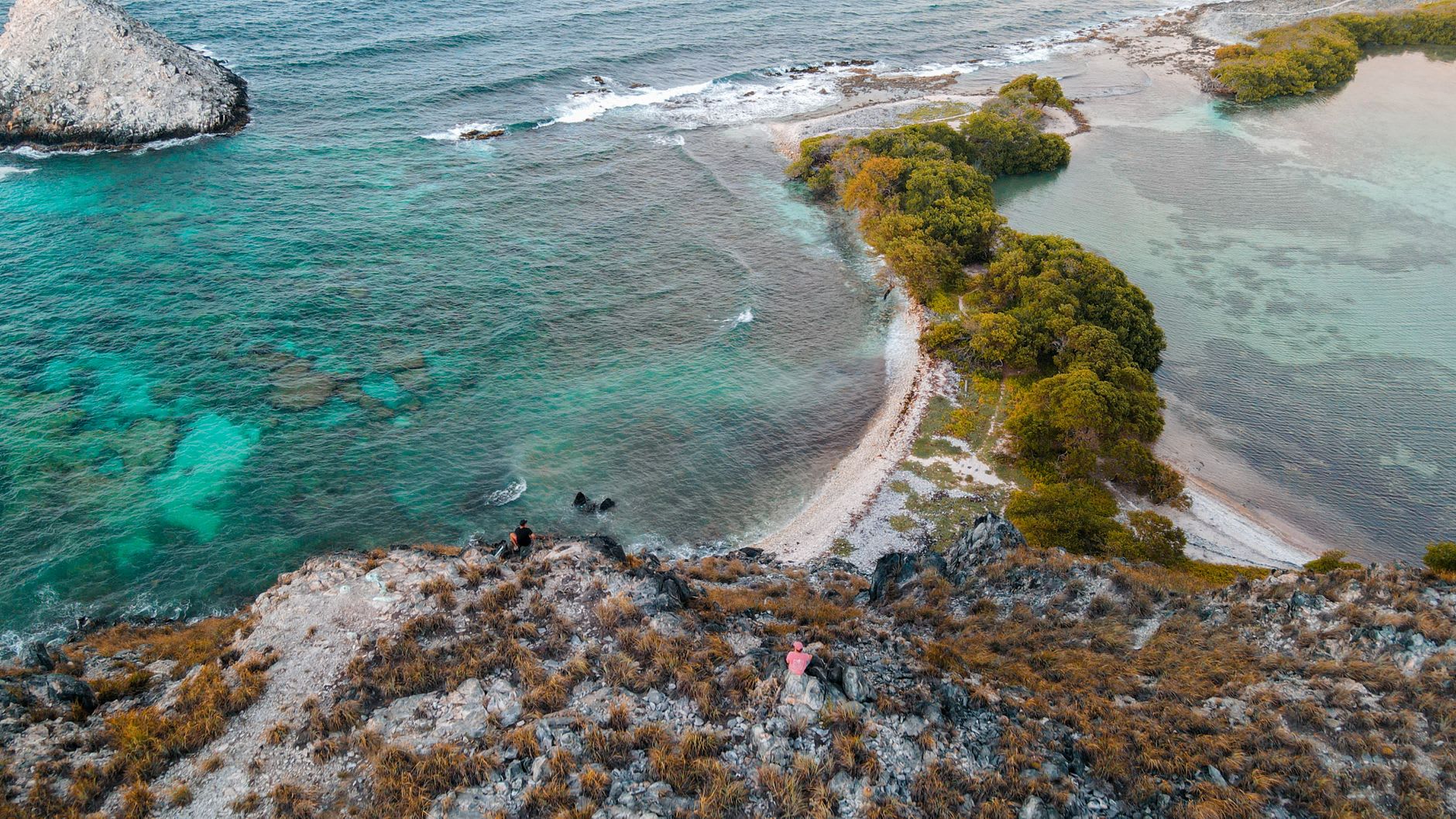
The island’s other natural pool, the Piscine Naturelle near Gadji, is smaller and wilder than Oro Bay — accessed by a short walk through the bush to a gap in the reef where the tides have carved a deep pool in the coral platform. The water inside is warmer than the open sea, aquamarine rather than turquoise, and the fish crowd the entrance in numbers that suggest they have been doing this longer than anyone who has come to watch them.
When to go: May through October is the dry season, with the clearest water and lightest winds. July and August see the most visitors, particularly day-trippers from Nouméa on weekend catamarans. For the pools at their most pristine and the accommodation most available, aim for May, June, or September — the water is just as clear and the pines smell the same.