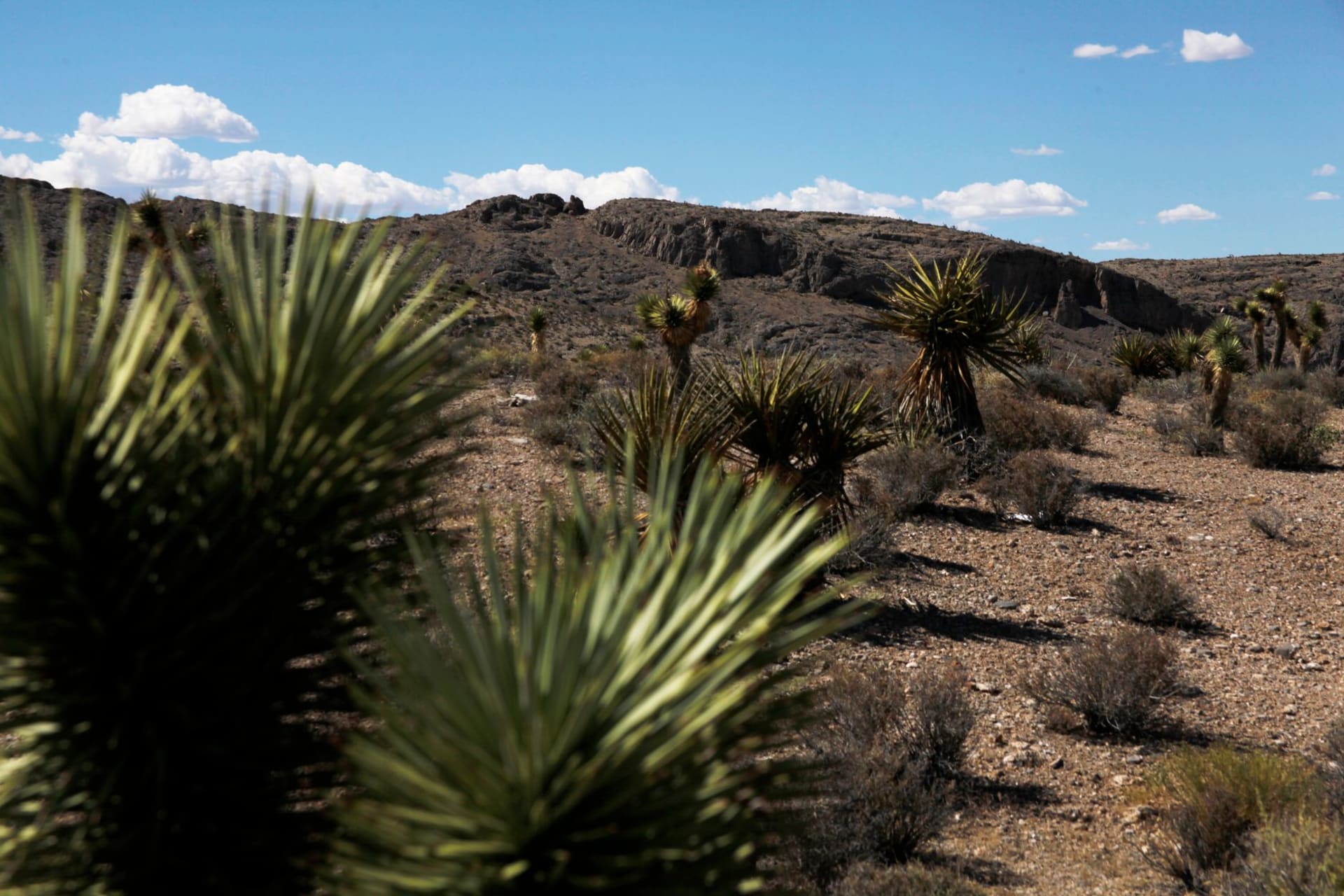
Black Rock Desert
"The playa is so flat and so empty that perspective stops working. You lose the ability to judge distance or scale."
I drove out onto the playa at six in the morning, two weeks after Burning Man had ended, and stopped the truck in what seemed like the center of nothing and turned off the engine. The silence that replaced the engine noise was not ordinary silence. It had a quality I can only describe as textured — a complete absence of sound that was so total it became a kind of presence, the way a very dark room feels different from a merely dim one. The Black Rock Desert is a dry lakebed, a playa, the remnant of a Pleistocene lake that covered this entire basin fifteen thousand years ago, and when it dried it left behind a pan of white alkaline clay one hundred kilometers long and eighty kilometers wide, perfectly flat, perfectly bare, perfectly still.
Getting to the playa requires forty-five kilometers of unpaved road north from Gerlach, a small town at the edge of the desert with a bar, a gas station, and a mechanic who specializes in vehicles that overheated on the way in. The road crosses the alkaline flats at the edge of the playa and then simply ends at the surface itself — no gate, no sign, no indication that you are entering something different. You just drive onto the white ground and the road disappears and there is nothing in every direction except the playa extending to the mountains. I drove in several kilometers before stopping and the truck became invisible from the road before I reached that point.
The Black Rock itself — the dark volcanic formation at the north end of the playa that gives the desert its name — is visible from thirty kilometers away as an anomaly, a dark mass breaking the flat white horizon. Up close, it is a jumble of basalt columns and volcanic debris, stained black and deep red, rising abruptly from the clay surface with no transition, as if dropped there from above. Hot springs bubble out at its base, leaving mineral deposits and steam even in summer, and in the rock above the spring there is a spring house built by emigrants on the California Trail who stopped here in the 1840s and 1850s. The trail crossed the playa — the emigrants called it “the desert” with a specificity that suggested only one deserved the name — and the Black Rock spring was the first water they found on the other side.
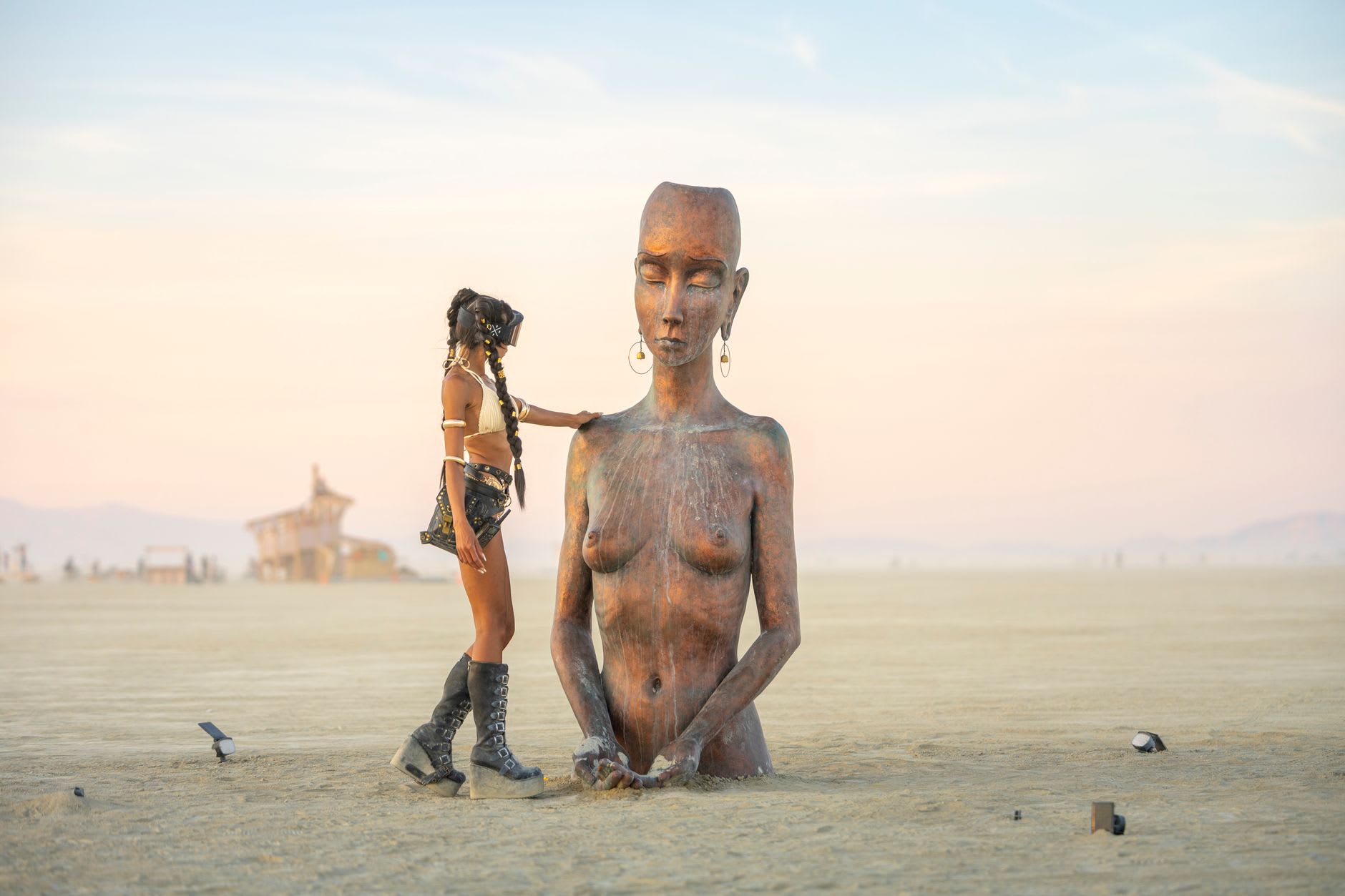
Burning Man happens here every August and early September, in the northern section of the playa near the Black Rock formation. In the eleven months when the festival is not running, no sign of it remains — the city of sixty thousand people that existed for a week, with its themed camps and art cars and installations and a central sixty-meter wooden effigy, is gone completely, the playa swept and raked back to its pristine surface. This clean-up ethic is one of the most remarkable aspects of the event: the Leave No Trace principle taken to its literal conclusion. I walked the center of the playa in late September and found nothing — not a bottle cap, not a tent stake, not a footprint. The playa does not keep records.

The playa’s perfect flatness and extreme remoteness have made it a testing ground for land speed record attempts since the 1970s. The surface is hard enough to support vehicles at speeds above five hundred kilometers per hour, and long enough to provide the kind of measured mile that the records require. Andy Green set the sound barrier on wheels here in 1997. The surface has no features to distort airflow, no curves, no elevation change over a hundred kilometers. On the days when the speed teams are out, the playa echoes with jet noise and the white surface shows faint tire marks that the next rain will erase.
When to go: October through May, avoiding the late summer festival period. The playa becomes impassable mud after rain and can remain closed for days; check road conditions before driving out. Spring can be cold but clear, and the playa after a light rain — once it has dried to its glossy, slightly damp surface — reflects the sky with a fidelity that turns the horizon ambiguous. You stop knowing which direction is up.