Americas
Nevada
"The Strip is the distraction. The desert is the reason to come."
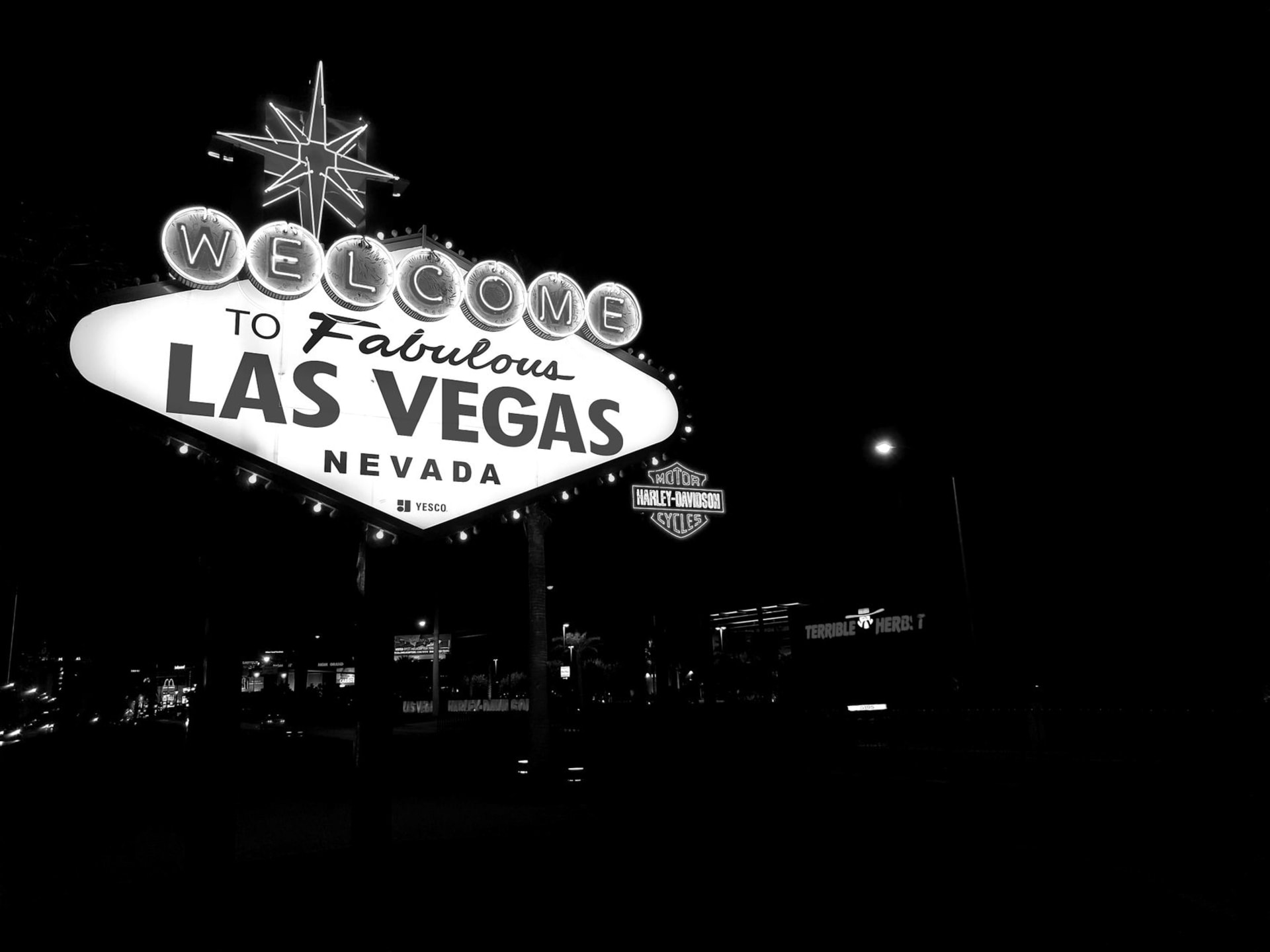
I landed in Las Vegas at midnight and the heat hit me before the doors finished opening — dry, electric, almost hostile, the kind of heat that makes you understand why this city runs on air conditioning and denial. The Strip from the airport taxi is a fever dream: the Luxor pyramid throwing a beam of light straight into space, the Bellagio fountains choreographed to Sinatra, the Sphere glowing like a fallen planet. It is absolutely ridiculous and I loved every second of it. But that was the first night. By the second morning, I was already thinking about the desert.
Nevada beyond Las Vegas is one of the great American surprises. The Basin and Range landscape — long valleys bracketed by parallel mountain chains, repeated across hundreds of miles — has a geological austerity that gets under your skin. I drove north on Route 93 past Caliente through the Meadow Valley Wash, where Joshua trees stood in the red-rock hills like they were holding a meeting, and arrived at the Great Basin National Park as the sun was dropping. Wheeler Peak, at nearly 3,900 meters, had snow on it in October. Inside the mountain there are bristlecone pines — the oldest living things on earth, some over 4,000 years old — and limestone caves with formations that took millions of years to build. Nobody was there. The park was almost empty. I had a campfire to myself and a sky so full of stars I kept checking that my eyes were working properly.
Reno is the other Nevada that people forget about: smaller, weirder, with an actual arts scene, a river running through downtown where people kayak, and the Basque restaurants on 4th Street that serve lamb stew and picon punch to a crowd that includes both retirees and pierced bartenders. The food in Nevada surprised me throughout — not just Reno’s Basque heritage, but Las Vegas’s genuinely extraordinary restaurant scene, where chefs from Tokyo, Lyon, and Mexico City have opened serious outposts in casino basements that would anchor any real city.
When to go: March to May and September to November are ideal — the desert is mild, Las Vegas is warm without being brutal, and the mountain parks are accessible. Avoid July and August in the south; temperatures in Las Vegas routinely exceed 45°C and the ground radiates heat like a griddle. Winter in the north, around Great Basin and the Ruby Mountains, is cold and often snowed in but spectacular.
What most guides get wrong: They treat Nevada as Las Vegas plus a day trip. The state is the seventh largest in the US by area and most of it is federally protected land — some of the least-visited wilderness in the country. If you rent a car and drive the loneliest road in America (US-50) across the center of the state, you will cover 500 miles and pass through three or four towns, each with a gas station and a bar and nothing else. That emptiness is not a lack. It is the whole point.