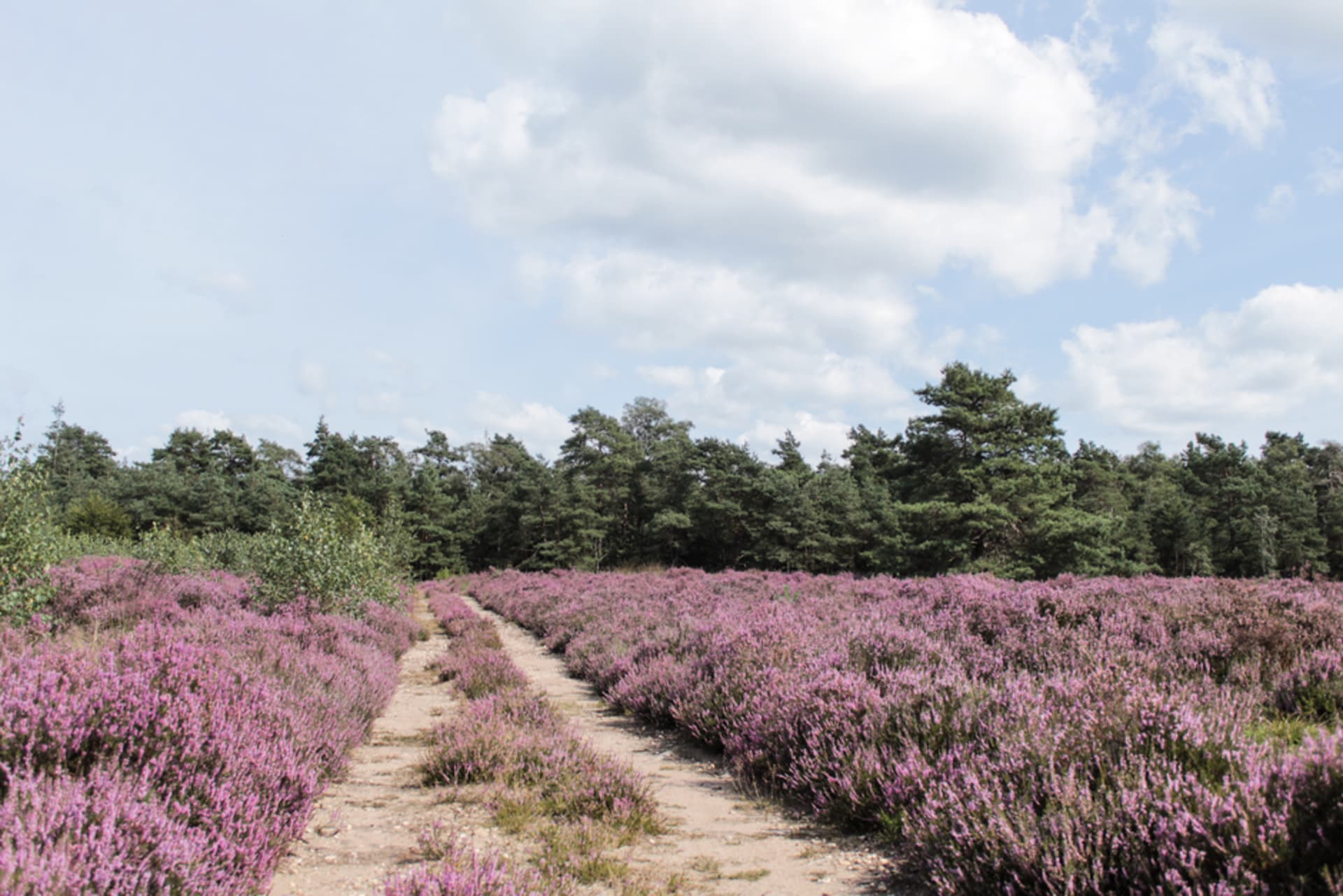
Hoge Veluwe National Park
"Somewhere between a Van Gogh and a wild boar, I stopped trying to explain this place and just started pedaling."
A wild stretch of heath, sand drifts, and forest in Gelderland where a free white bicycle and a Van Gogh collection wait at the end of the trail.
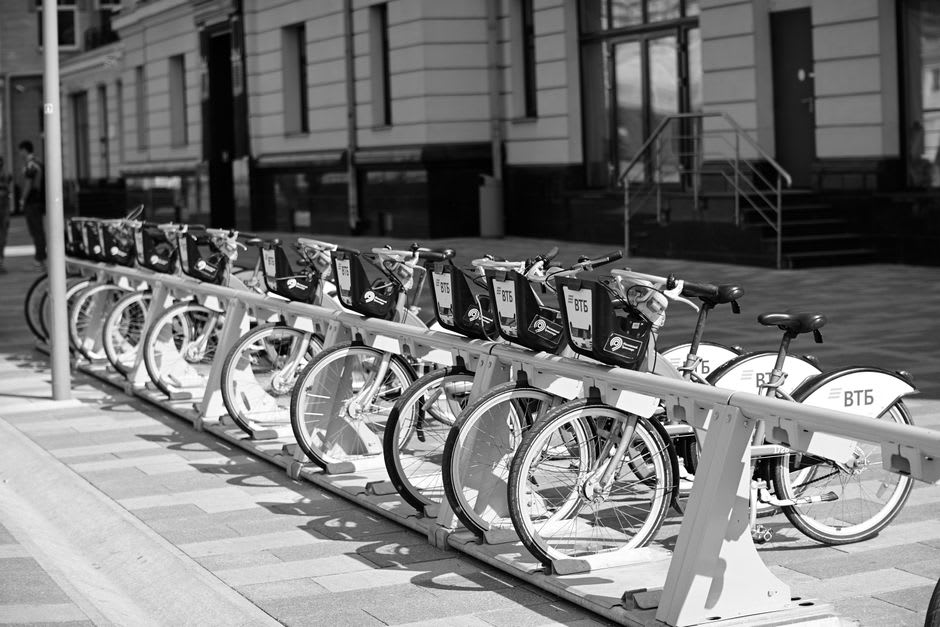
Lia found the white bicycles before I did. We’d parked at the Schaarsbergen entrance not really knowing what to expect — I’d read “national park” and pictured something tame, a groomed loop you’d do in an hour. Instead there was a rack of clunky, unlocked bikes, free for anyone to grab, no deposit, no app, nothing. Just take one and go. I later learned that’s been the system here since 1935, the same year the park itself was established, and something about that continuity got to me more than it probably should have. Ninety years of strangers pedaling off into 5,400 hectares of heath and sand and forest on bikes that belong to no one and everyone.
We rode for a good hour before we saw any of it properly — the heathland opening up in long violet-brown waves, then sudden pockets of drifting sand that looked lifted from a different country entirely, then dense stands of pine closing back in. Lia spotted the red deer first, three of them, unbothered, grazing at a distance that felt oddly intimate for something so wild. We didn’t see wild boar that day, or the mouflon sheep the rangers mentioned, but I liked knowing they were out there in the undergrowth, indifferent to us.
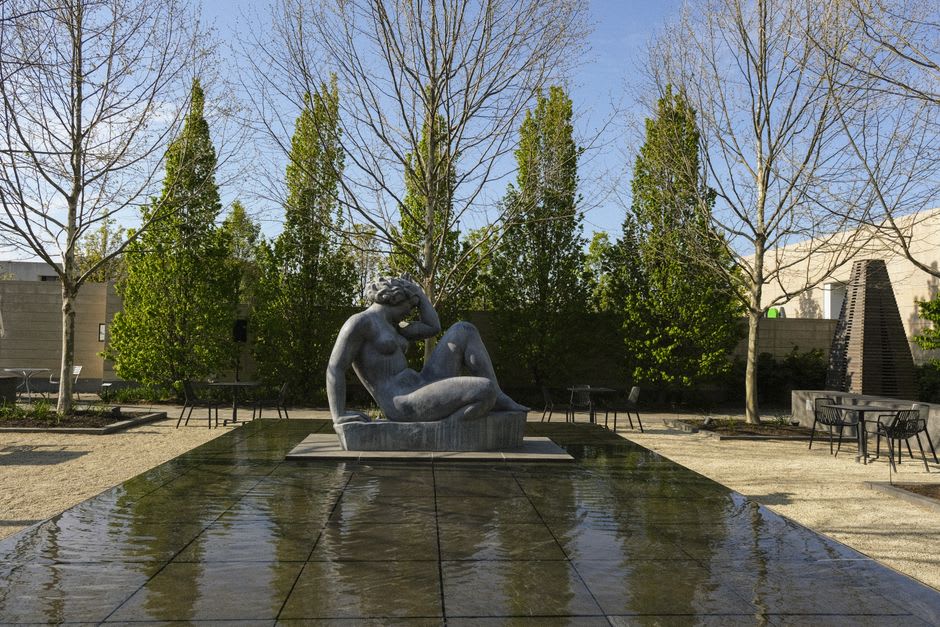
What I wasn’t ready for was the Kröller-Müller Museum, sitting almost incongruously in the middle of all that wilderness. I knew, vaguely, that a wealthy couple had assembled this land in the early twentieth century, but I didn’t grasp until we were standing in front of the Van Goghs — the second-largest collection anywhere, after Amsterdam — that Helene Kröller-Müller had basically built a private obsession into a public gift. We wandered from the paintings straight out into the sculpture garden, where Jean Dubuffet’s “Jardin d’émail” sat like something from another planet, all white curves against the trees. I remember standing there eating a sandwich we’d packed, unable to decide if I was more struck by the art or by the fact that none of this felt staged.
We ended the day cycling north to the Sint Hubertus hunting lodge, Berlage’s building rising out of the heath like something between a church and a fortress. By then the light was doing that low, honeyed thing, and I understood why people kept telling us to come back in autumn. We left the bikes at another rack near the exit, already talking about returning — not for the museum this time, just for the ride.
When to go: we were there in summer and it was beautiful, but everyone we met insisted September and October are when the heathland turns properly gold and the cycling weather settles into something mild and unhurried — that’s the trip I’m already planning.