Tsarang
"Tsarang was a capital once. It never advertised the demotion, and somehow that made it more interesting than the kingdom that replaced it."
The former royal capital of Mustang before Lo Manthang, home to a five-story dzong and a gompa library that survived centuries other monasteries didn't.
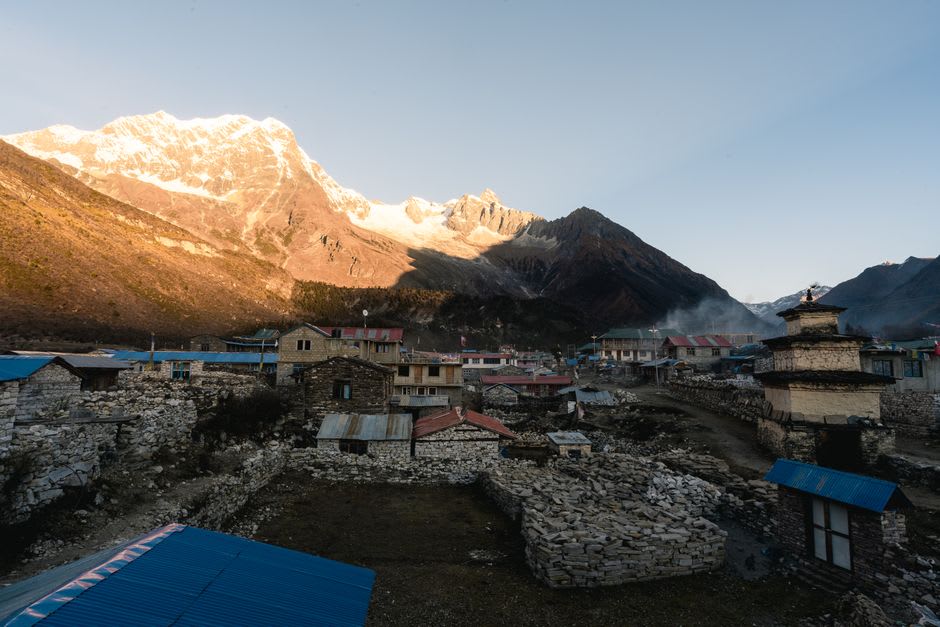
Between Ghami and Lo Manthang, most jeeps stop in Tsarang just long enough for a tea break and a look at the dzong from the road. Lia and I asked our driver to give us the night instead, and it turned out to be one of the better decisions of the whole Upper Mustang loop. Tsarang served as the capital of the Lo kingdom before the seat moved to Lo Manthang in the 15th century, and it still carries itself with a kind of understated former-grandeur — a five-story fortress, a walled monastery complex, and streets that feel less curated for visitors than Lo Manthang’s now are.
The dzong and what’s inside it
The Tsarang dzong dominates the village from a rocky outcrop, its whitewashed walls streaked with centuries of weather, and though large sections are closed for structural reasons, a caretaker let us climb the accessible floors. Inside: a maze of dark timber rooms, ceremonial weapons stacked in corners, and a view from the top floor across the entire valley that made the climb up narrow, uneven stairs worth the knees it cost me.
Thubchen Gompa’s manuscripts
The village’s real treasure, according to the monk who showed us around, is the gompa’s collection of hand-copied Buddhist manuscripts — some said to predate the ones in Lo Manthang — kept in a locked library room that smelled of butter lamps and old paper. He unwrapped one volume from its cloth binding just far enough for us to see the gold ink lettering before wrapping it back up, more protective of it than of anything else in the building. Lia asked how old it was. He shrugged and said “very,” which felt like the most honest possible answer.
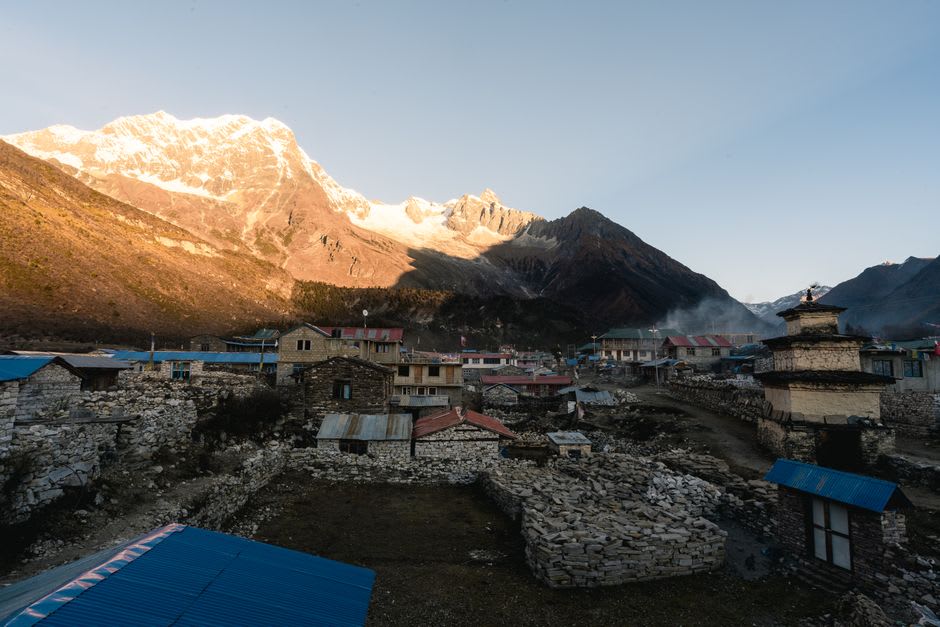
We ate dinner that night with the guesthouse family, apple raksi passed around after the dal bhat, and listened to the owner talk about growing up in a village that used to matter more, in the political sense, than it does now — without a trace of resentment, more like someone describing a house he’d once lived in and still liked visiting.
When to go: May through October for passable roads and clear skies. Try to time your stop to overnight rather than pass through — the dzong and gompa are best seen without a jeep idling outside waiting to leave.
Keep exploring
More from Nepal
 nepal
nepal Annapurna Circuit
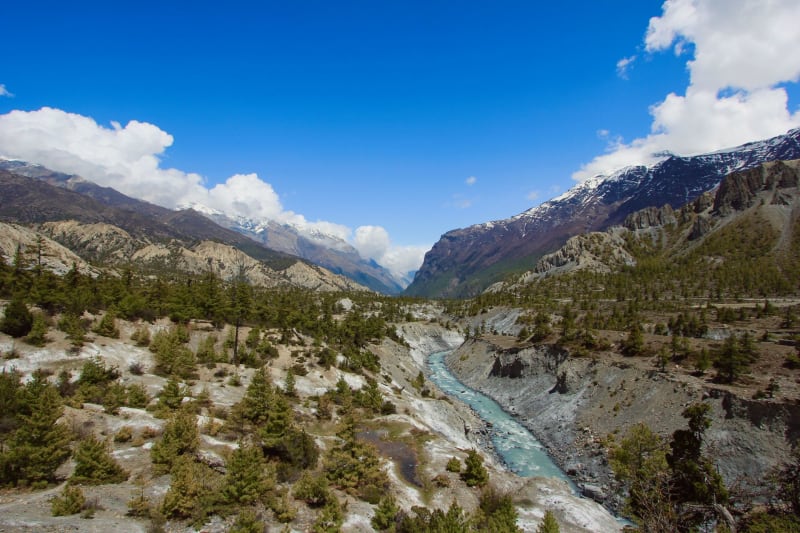
The great circumnavigation of the Annapurna massif passes through subtropical gorges, high desert villages, and over a 5,416-meter pass that still makes your heart work for every step.
Explore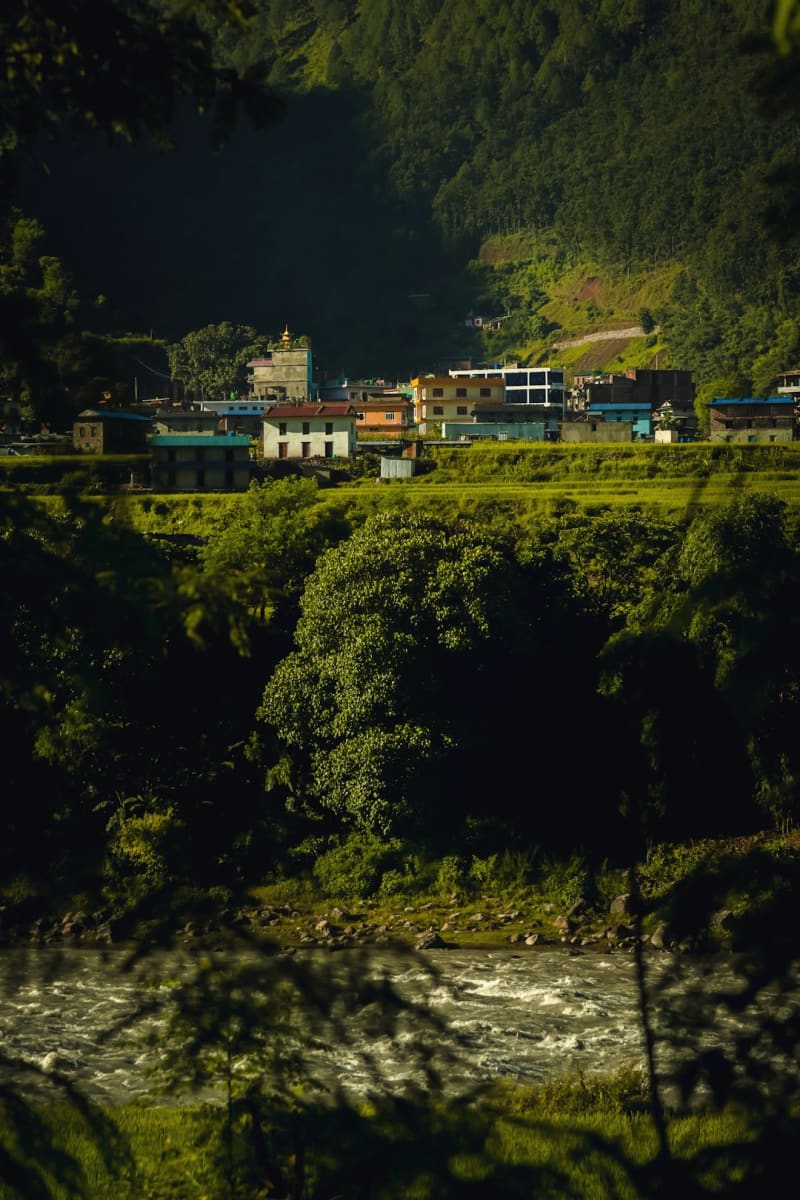 nepal
nepal Annapurna Base Camp
A natural amphitheater of ice at 4,130 meters, ringed entirely by 7,000- and 8,000-meter peaks, reached without a single high mountain pass or technical section.
Explore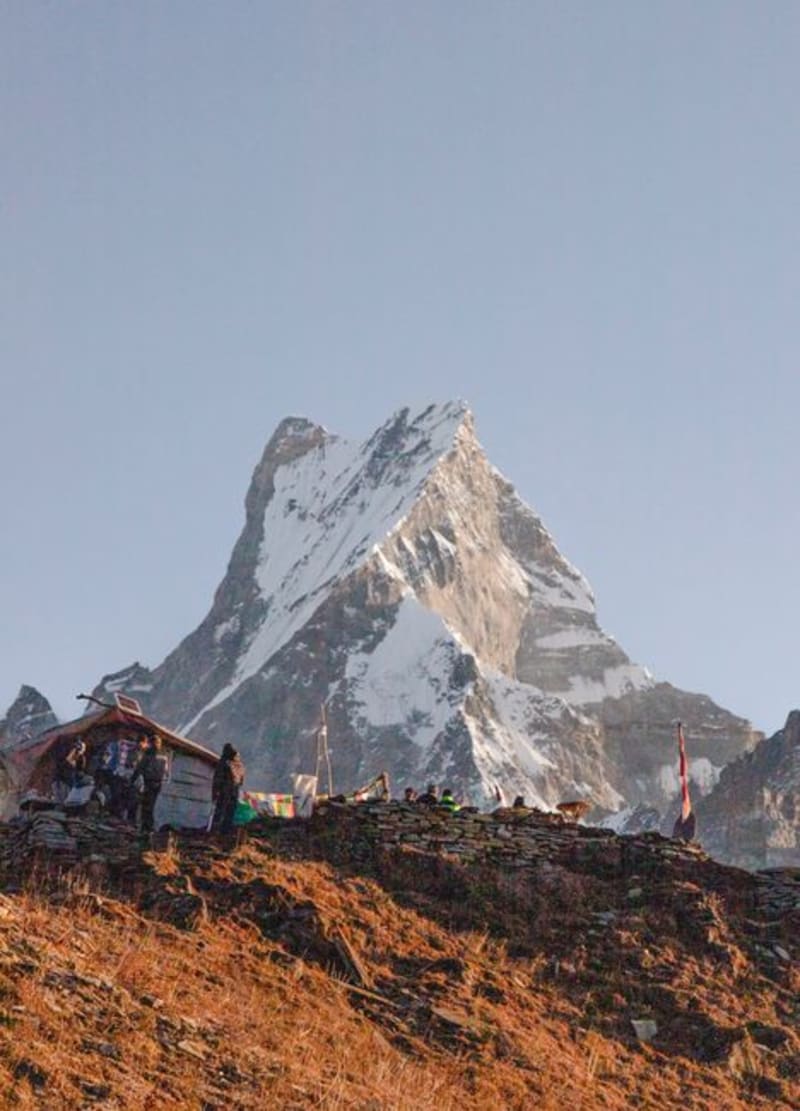 nepal
nepal Australian Camp
A gentle two-day taster trek from Pokhara that delivers a full Annapurna panorama without a single technical step.
Explore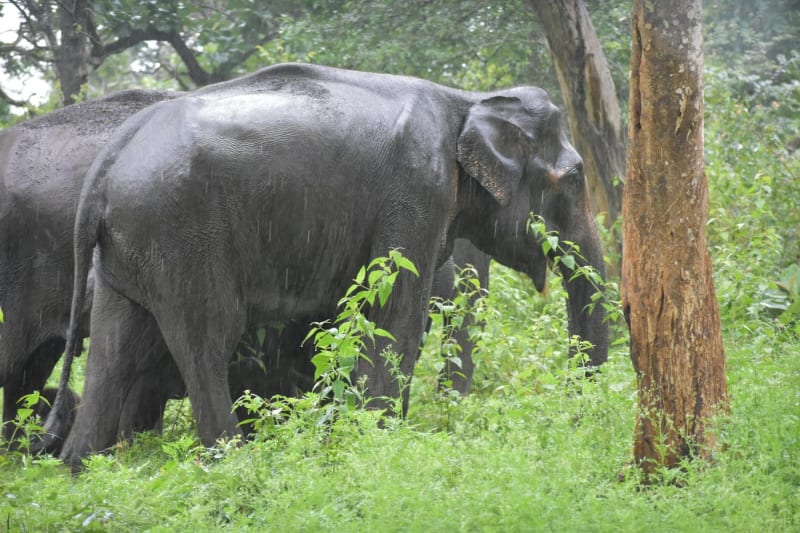 nepal
nepal Bandipur
A car-free Newari hilltop village suspended between Kathmandu and Pokhara, forgotten and perfect.
Explore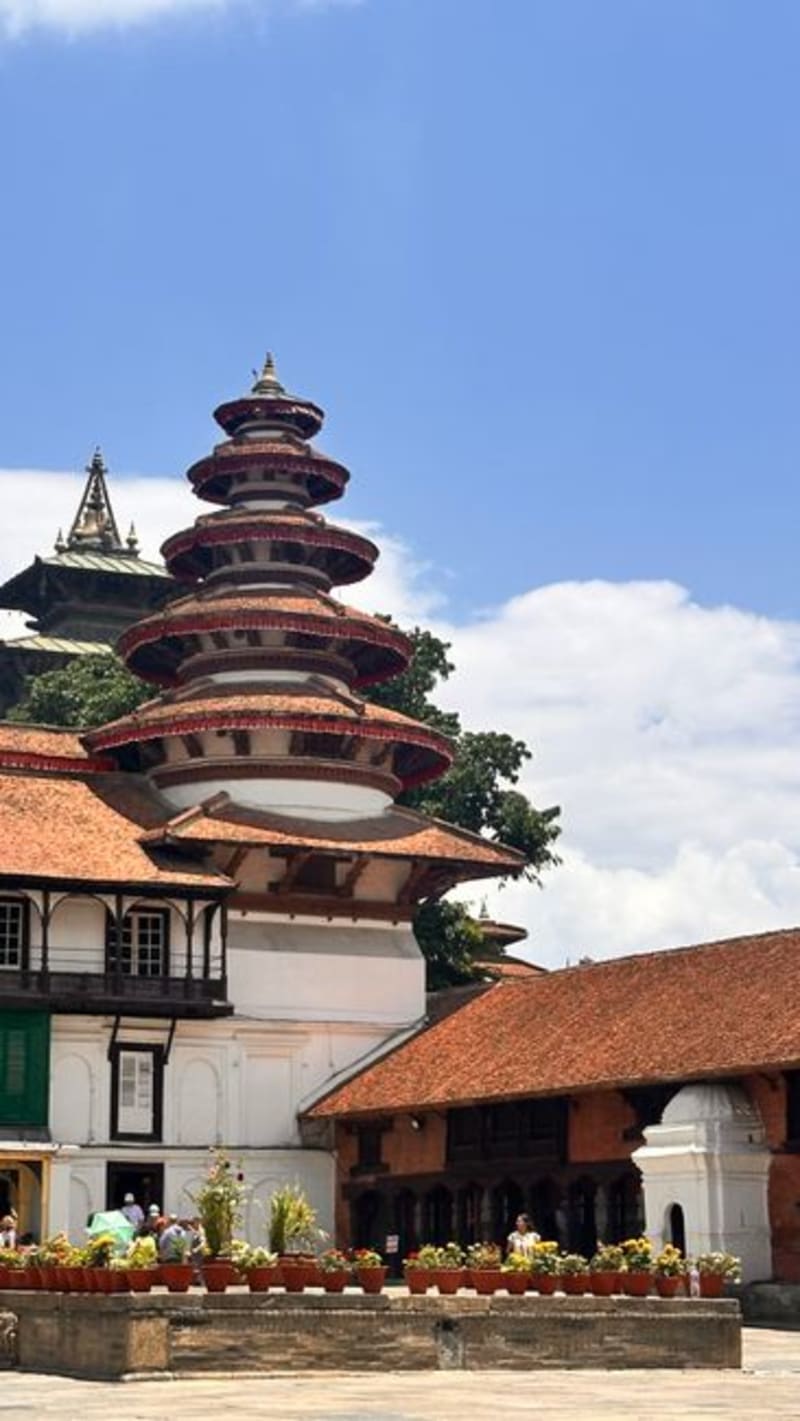 nepal
nepal Barahakshetra
A sacred river confluence near Dharan where the Koshi meets its tributaries, marked by an ancient temple and a stream of quiet daily pilgrimage.
Explore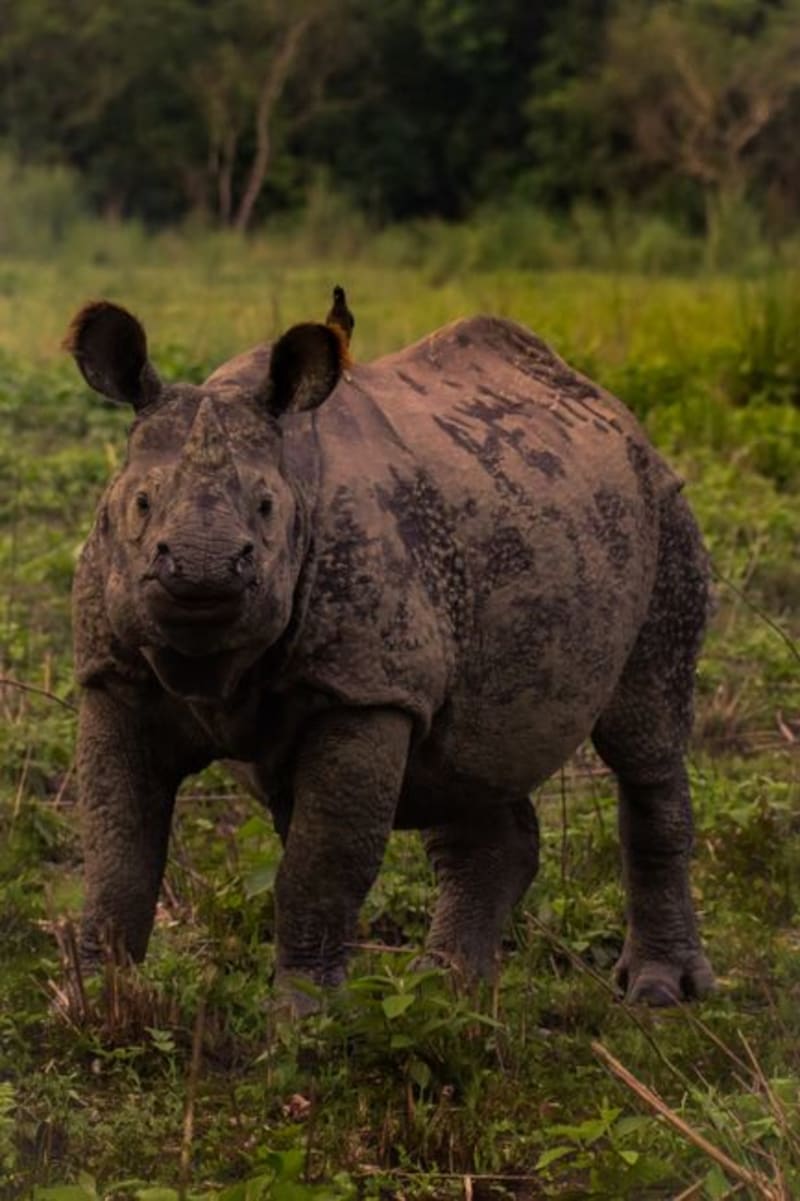 nepal
nepal Bardia National Park
Nepal's wildest and least visited tiger reserve, a stretch of sal forest and river grassland in the far southwest where you can walk for hours without meeting another traveler.
Explore