Tatopani
"My knees had opinions about the previous four days, and Tatopani was the first place those opinions went quiet."
A low-altitude village on the Kali Gandaki whose name literally means 'hot water' — natural hot springs at the end of a hard trekking day, and one of the few genuinely restful stops on the circuit.
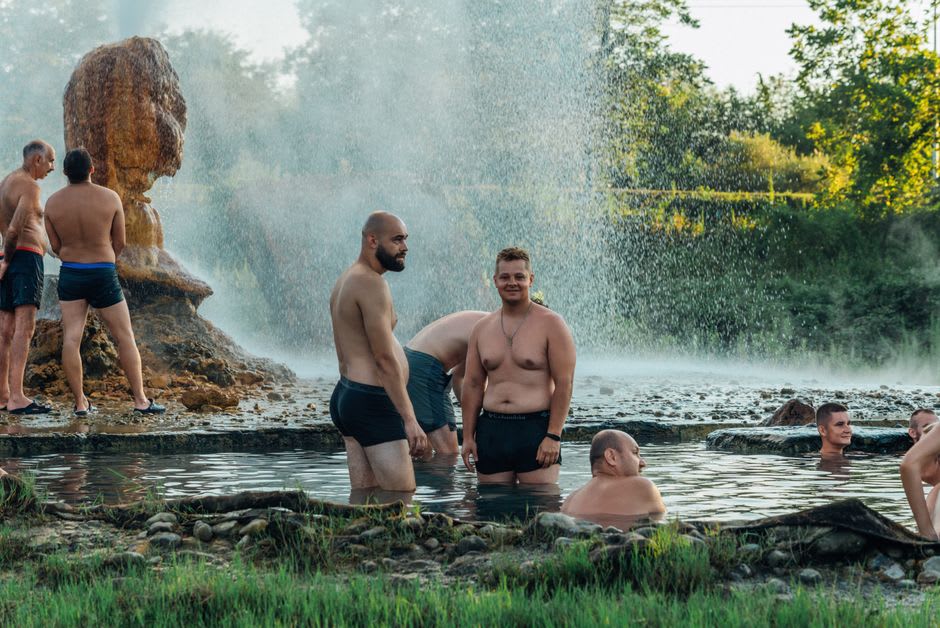
Tatopani translates plainly from Nepali as “hot water,” which is the least mysterious place name I encountered in the whole country and also the most honest advertising. At 1,190 meters — genuinely low for a trekking stop, low enough to grow oranges and bananas along the trail approaching it — the village sits in the Kali Gandaki valley and exists almost entirely around a set of natural hot spring pools built into stone terraces above the river.
The springs
After several days dropping down from Thorong La or coming up from Ghorepani, whichever direction you’re moving, Tatopani’s hot springs function less as a tourist attraction and more as basic physical maintenance. The pools are simple — concrete and stone, mineral-warm rather than scalding, open to anyone passing through for a small fee — and they’re used by trekkers and local families in roughly equal numbers, which keeps the atmosphere unpretentious. I sat in the water for over an hour with my legs stretched out, watching kids from the village do cannonballs into the far pool, and felt something in my lower back finally released after days of stone steps.
A different kind of Annapurna village
Tatopani’s low elevation changes everything about how it feels compared to villages higher on the circuit. The air is warm rather than thin, the vegetation is subtropical rather than alpine, and the guesthouses serve fresh citrus alongside the standard dal bhat — oranges grown a short walk from where they’re plated. It’s an easy place to underestimate on an itinerary, filed mentally as a transit stop between bigger mountain moments, and an easy place to end up staying an extra night once you’re actually there.
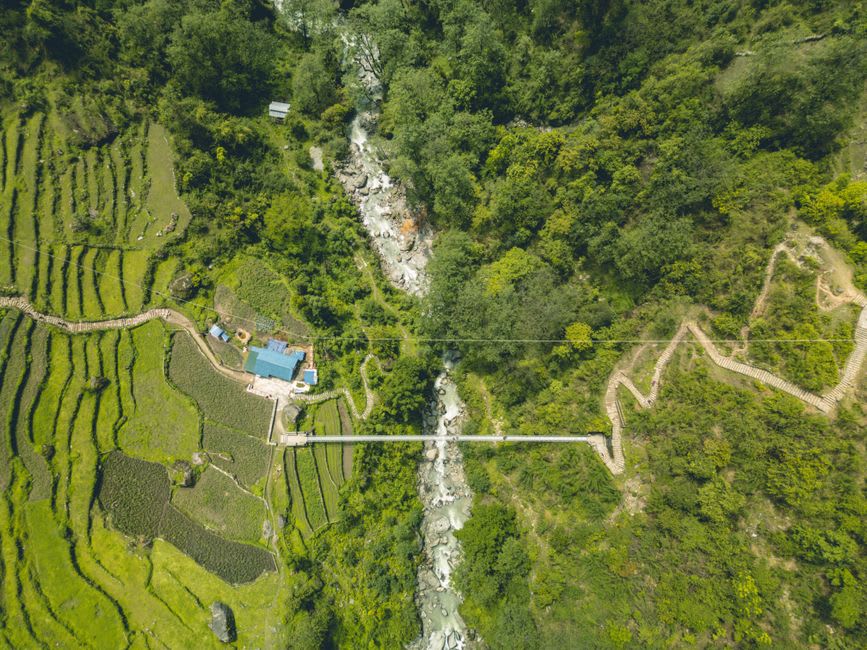
Lia made the point that Tatopani is the closest the Annapurna region gets to feeling tropical, and she wasn’t wrong — there’s a particular disorientation in trading fleece layers for a t-shirt in the space of a single day’s descent, all while the peaks you crossed the day before are still visible, snow-covered, at the head of the valley.
When to go: Tatopani’s low altitude makes it comfortable nearly year-round, but October through April avoids monsoon landslides on the approach trails. Winter mornings here are markedly warmer than anywhere higher on the circuit, which makes it a good place to recover before or after a cold-weather push.
Keep exploring
More from Nepal
 nepal
nepal Tengboche
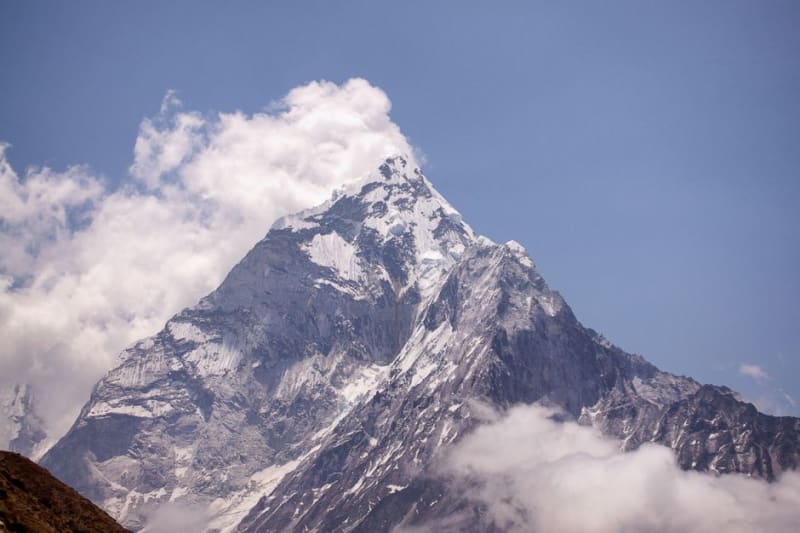
A ridgeline monastery village with what might be the single best mountain panorama on the entire Everest trail, and a monk's chant that follows you back down the hill.
Explore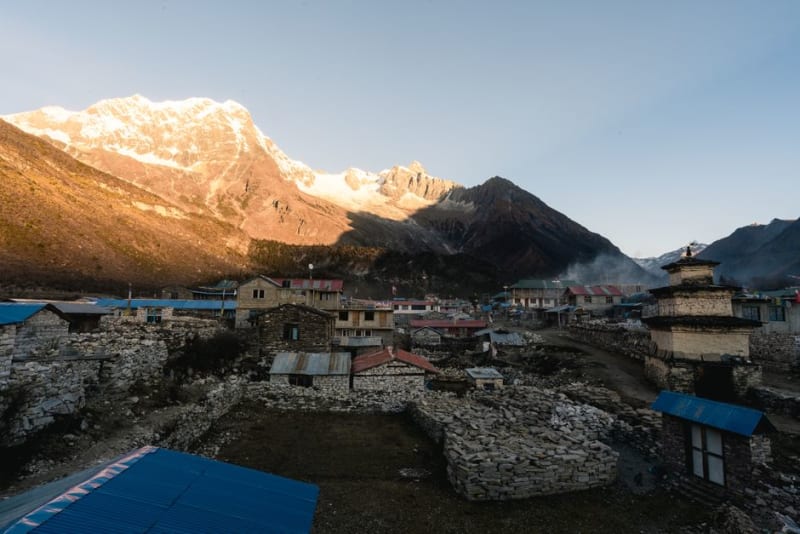 nepal
nepal Thame
The Sherpa mountaineering village northwest of Namche, birthplace of Tenzing Norgay's neighbors and one of the few Khumbu settlements the main trekking crowds still skip.
Explore nepal
nepal Thimi
A pottery and papier-mâché mask-making town between Kathmandu and Bhaktapur, working in full view of anyone who bothers to stop.
Explore nepal
nepal Thulo Syabru
A steep, terraced Tamang village on the alternate ridge route into Langtang, quieter than the main valley trail and, on a clear afternoon, hiding one of the best unphotographed views in the region.
Explore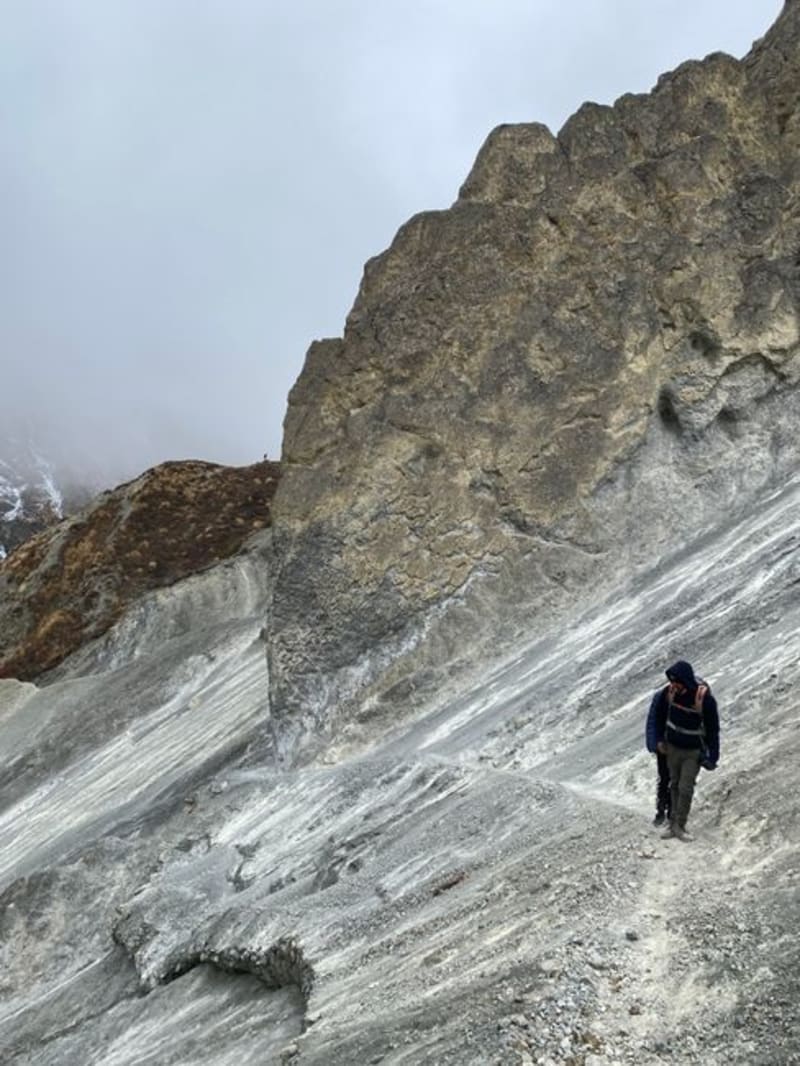 nepal
nepal Tilicho Lake
One of the highest lakes in the world at 4,919 meters, reached via an exposed landslide traverse that trekkers talk about almost as much as the lake itself.
Explore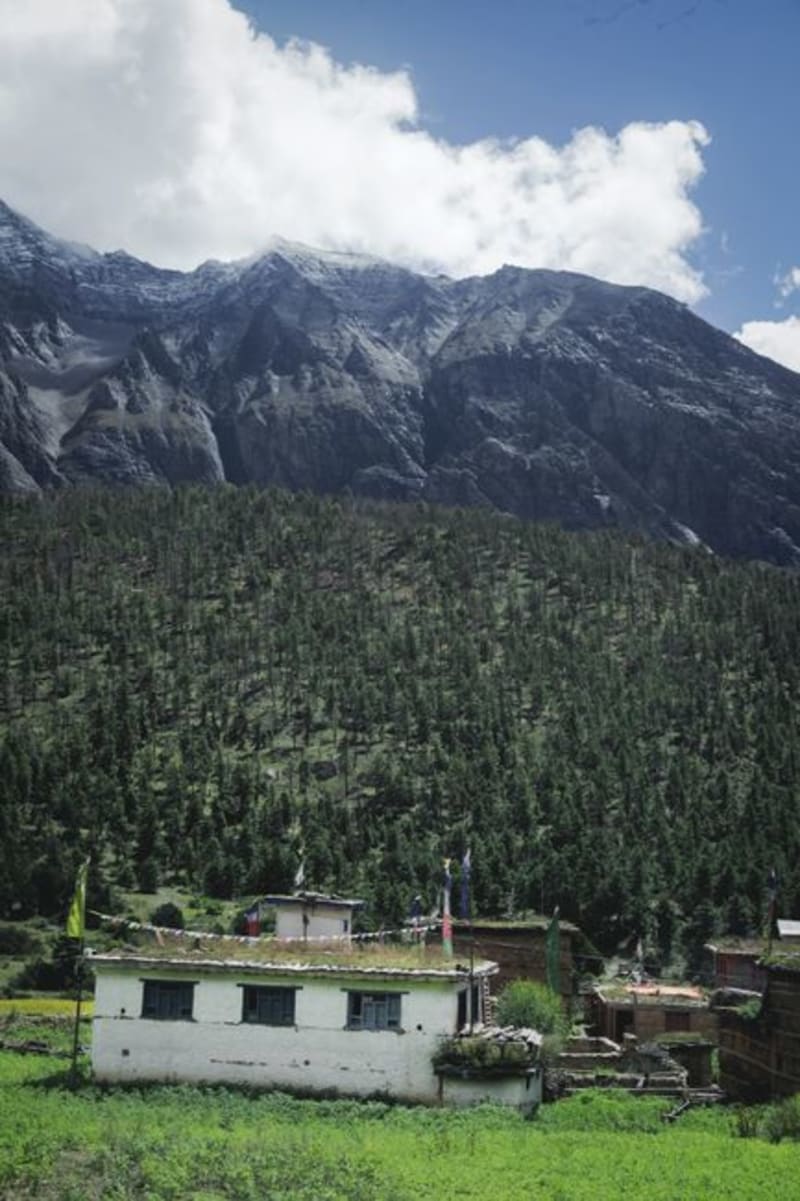 nepal
nepal Tsarang
The former royal capital of Mustang before Lo Manthang, home to a five-story dzong and a gompa library that survived centuries other monasteries didn't.
Explore