Rupa Lake
"Rupa Lake doesn't perform for visitors. It just keeps being a working lake, whether anyone shows up or not."
The smallest and least visited of Pokhara's three lakes, worked by fishing cooperatives instead of tour boats.
Of Pokhara’s three lakes, Rupa gets almost no mention anywhere — Phewa has the postcard fame, Begnas has picked up a modest secondary reputation, and Rupa sits quietly beyond both, a short ride further east, doing its own thing. We only found it because a fisherman we’d met at Begnas mentioned it almost in passing, describing it as “the lake nobody photographs,” which was reason enough for us to go looking.
A Lake That Works for a Living
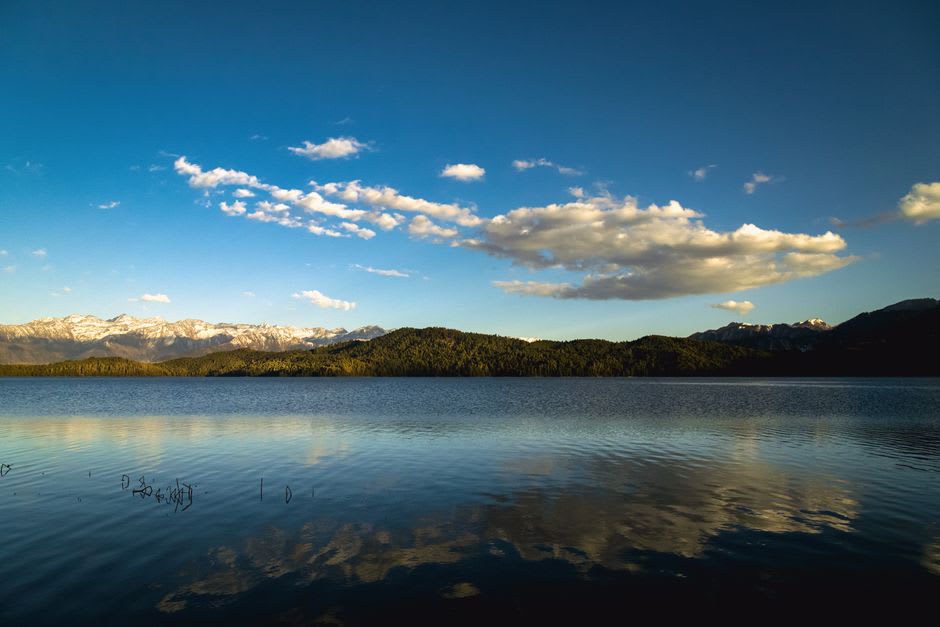
Rupa is smaller and shallower than its two neighbors, and it shows in how it’s used. Instead of tour boats and rental kayaks, the shoreline is strung with fishing nets belonging to local cooperatives, and small wooden platforms extend out over the water where fishermen haul in carp and other freshwater species destined for the markets in Pokhara. There’s a functioning cooperative here that manages the lake collectively, a detail a local schoolteacher explained to us at length while we sat on the bank, clearly pleased that anyone had asked.
The Walk Around
We circled a portion of the lake on foot along a dirt path that cuts through rice paddies and past small Brahmin and Chhetri farming settlements, waving at kids who ran alongside us for a stretch before losing interest and peeling off toward a game involving a stick and an old bicycle tire. The water itself stayed a muted grey-green under an overcast sky the whole afternoon, nothing like Phewa’s postcard blue, and I found I preferred it that way — a lake behaving like a lake rather than a backdrop.
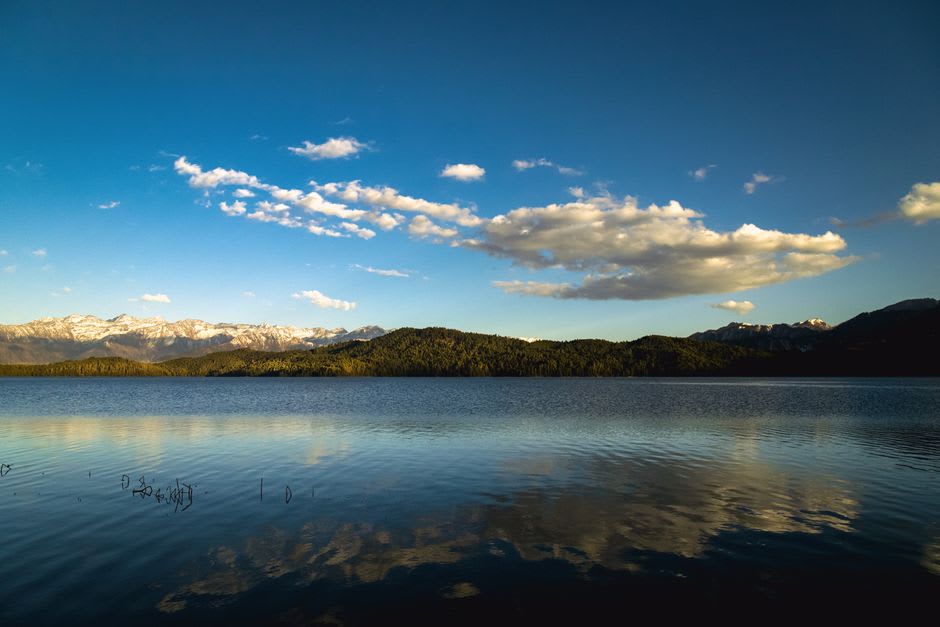
There’s talk locally of developing Rupa further for tourism — a few guesthouses have already appeared near the access road — but for now it remains the kind of place you visit because someone mentioned it to you directly, not because it appeared in a guidebook.
When to go: October through February for the clearest weather and most active fishing season. Go on a weekday if possible; the access road can get crowded with domestic day-trippers from Pokhara on weekends.
Keep exploring
More from Nepal
 nepal
nepal Sarangkot
The hilltop sunrise viewpoint above Pokhara where the entire Annapurna range catches fire at dawn.
Explore nepal
nepal Seti Gorge
A river that vanishes into a slot canyon so narrow you can stand directly above it in the middle of Pokhara and barely notice.
Explore nepal
nepal Shey Phoksundo Lake
A turquoise glacial lake in Upper Dolpo so vivid it seems retouched, ringed by cliffs, chortens, and one of Nepal's oldest Bon monasteries.
Explore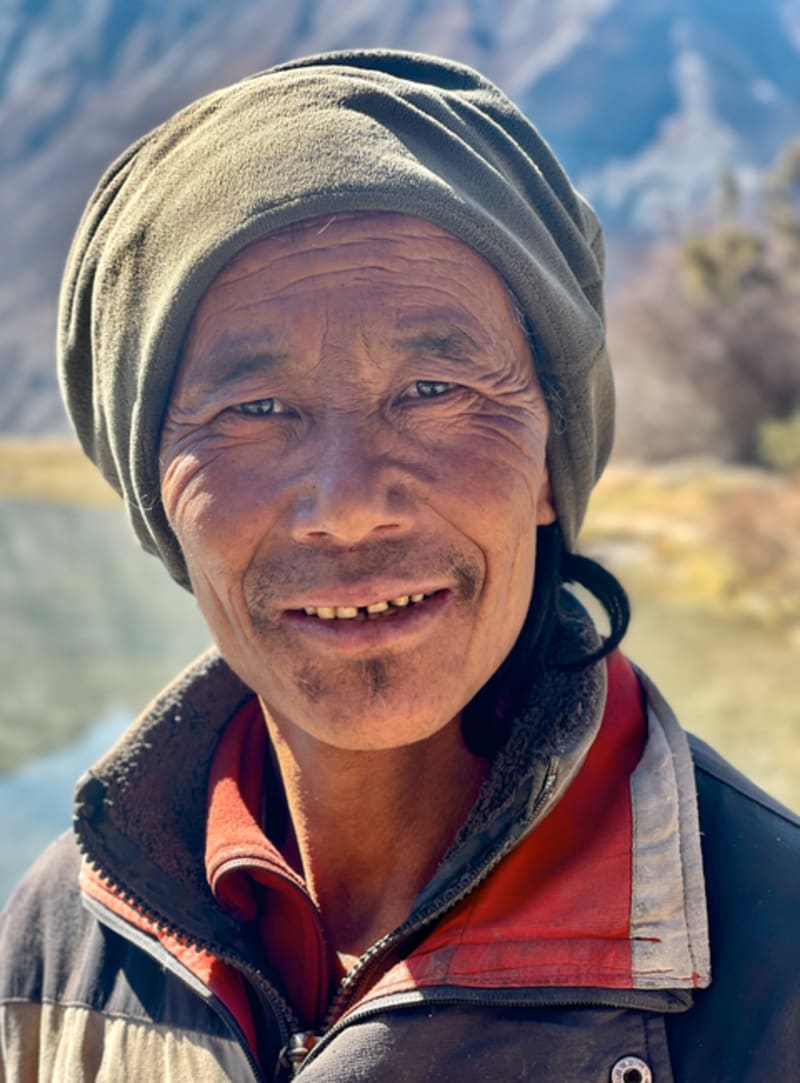 nepal
nepal Sikles
One of the largest Gurung settlements in Nepal, tucked into the Annapurna Conservation Area on a trail almost nobody outside serious trekking circles has heard of.
Explore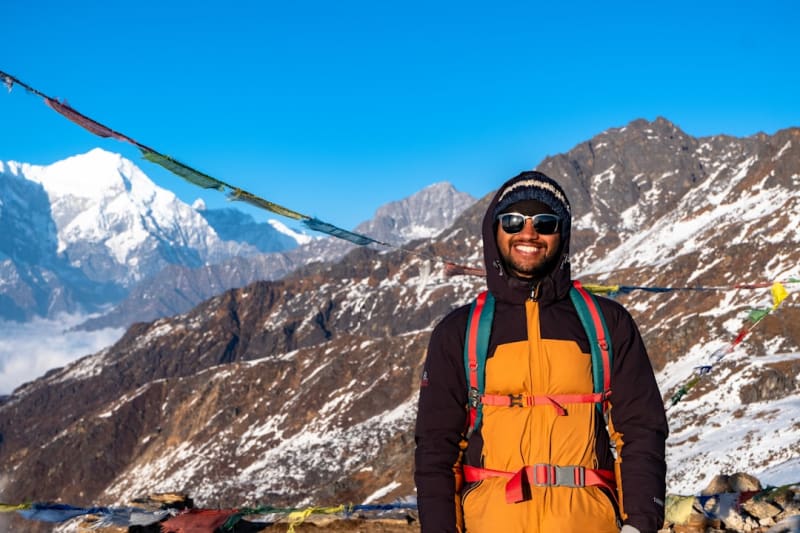 nepal
nepal Simikot
The roadless district capital of Humla, a cluster of stone-and-tin rooftops clinging to a ridge, and the last real outpost before the trail to Tibet.
Explore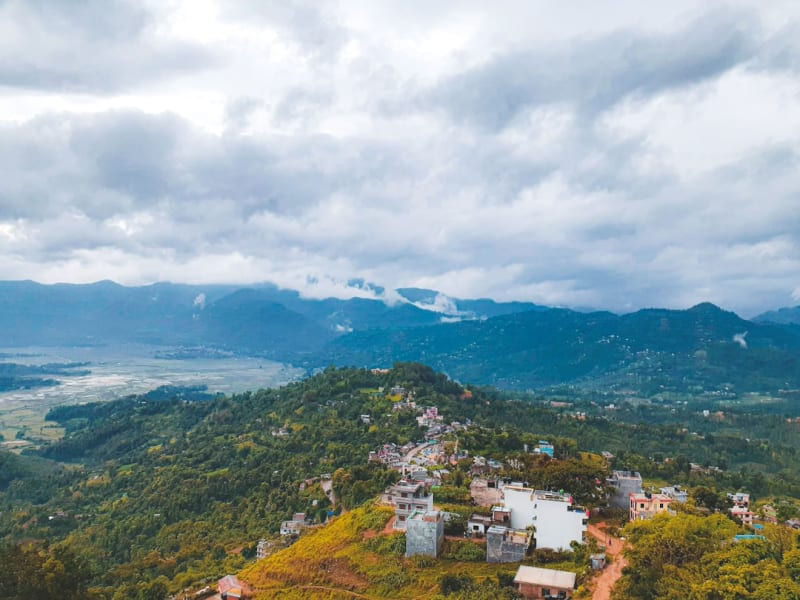 nepal
nepal Sindhuligadhi
A ruined hilltop fort on the old trade route between Kathmandu and the Terai, where a single 18th-century battle against the British East India Company is still remembered as a founding act of Nepali resistance.
Explore