A ridge-top monastery east of Kathmandu where a Buddhist myth of self-sacrifice still perfumes the air with juniper smoke.
I went to Namobuddha to get out of Kathmandu for forty-eight hours, and ended up thinking about the tiger for a week afterward. The legend is simple and brutal: a prince, walking this ridge, found a starving tigress unable to feed her cubs, and offered his own body so she could survive. Every stupa, every prayer flag, every carved relief on the hillside circles back to that single act. I am not a Buddhist and I still found myself oddly moved standing at the spot where it supposedly happened, a modest stone marker half-covered in marigold petals left by someone that morning.
The Walk Up From Panauti
Most people arrive by jeep along the ridge road, but Lia and I walked up from Panauti instead, a four-hour climb through terraced fields and pine forest that felt more like the point of the trip than the destination itself. Farmers waved from paddies without breaking rhythm. A boy on a bicycle far too big for him escorted us for twenty minutes, asking the same three English words on loop — “where, from, you” — delighted every time we answered. By the time the gold roof of the main stupa appeared through the trees, we had earned the view of the Himalaya it offers on clear days.
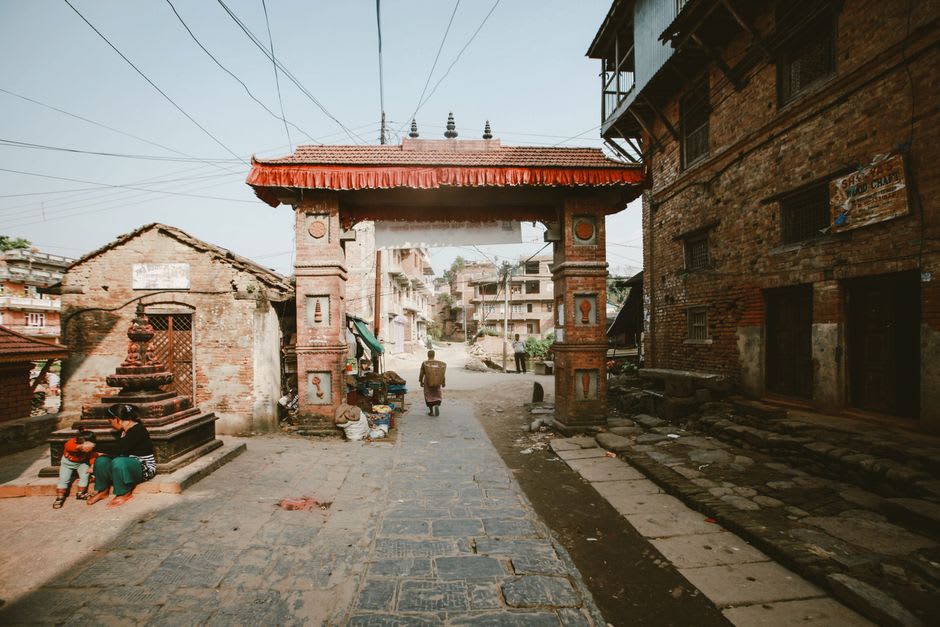
Thrangu Tashi Yangtse Monastery
The modern monastery below the ancient stupa is where Namobuddha actually breathes. We sat in on part of the late afternoon puja, uninvited but not unwelcome, and the sound of a hundred young monks chanting in unison, punctuated by long horns and cymbals, did something to my chest that no cathedral ever managed. Afterward, a monk maybe nineteen years old showed us the mural room, walls painted floor to ceiling with the jataka tales, and translated the tiger story panel by panel with more patience than I deserved.
Staying the Night
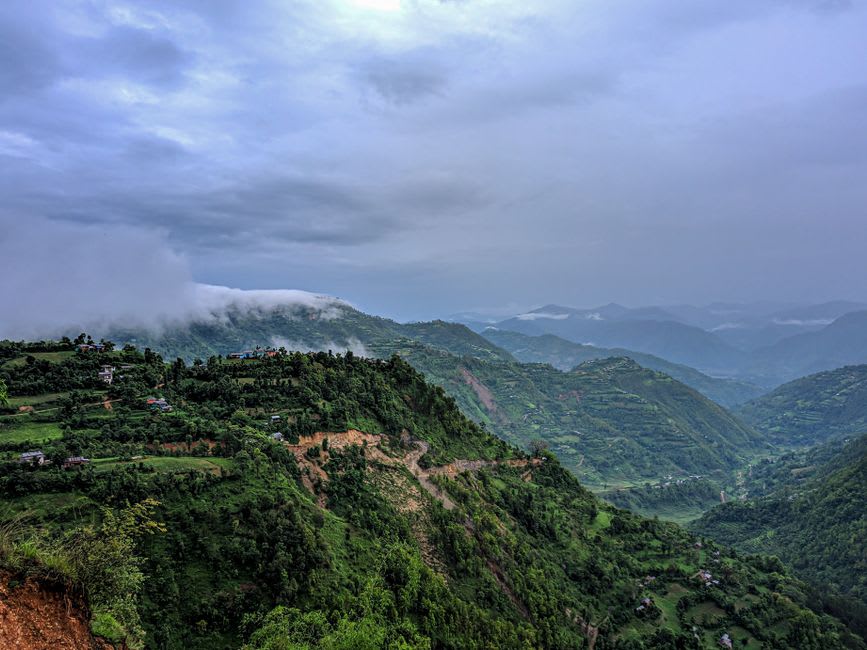
We stayed at a small guesthouse just below the stupa and woke before dawn to circle it with the handful of pilgrims and monks already awake, spinning the prayer wheels set into its base. The mist sat in the valleys below like poured milk, burning off in patches as the sun cleared the ridgeline opposite. Nobody was in a hurry. It was the stillest morning I had in Nepal.
When to go: October through December for clear Himalayan views and cool walking weather. It’s a manageable day trip or overnight from Kathmandu year-round except during the heaviest monsoon downpours of July and August, when the trail up from Panauti turns to mud.
Keep exploring
More from Nepal
 nepal
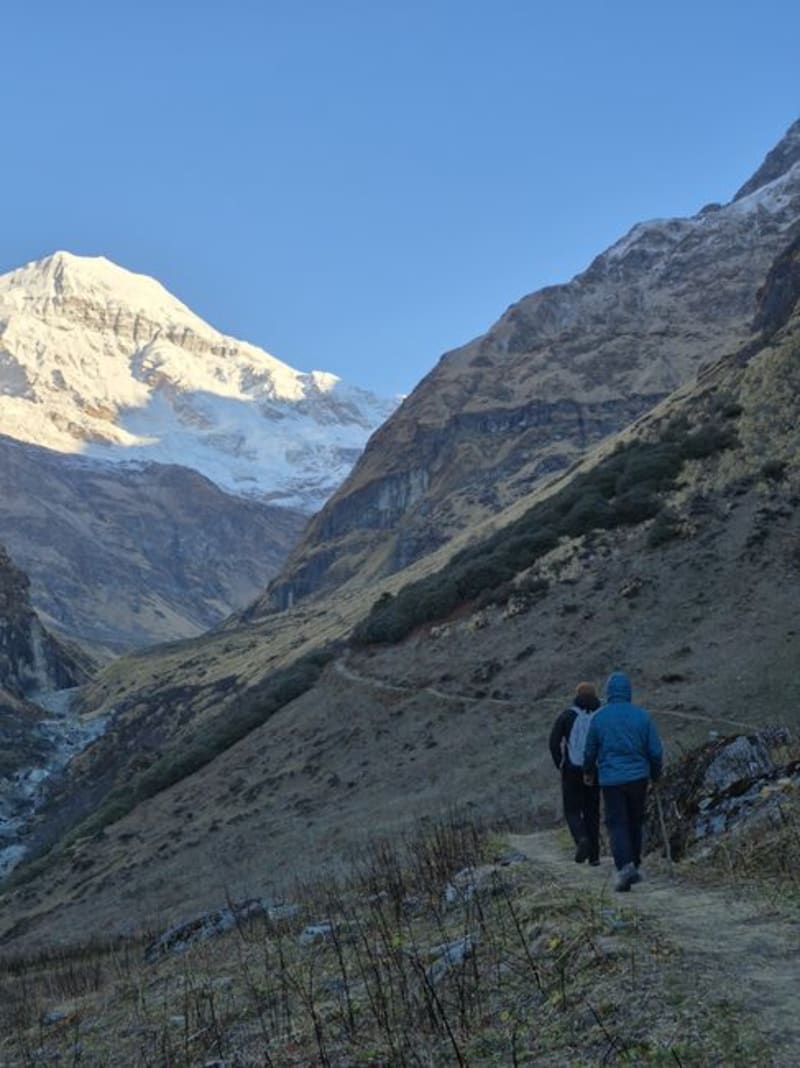
nepal Nar Phu Valley
A restricted-area valley branching off the main Annapurna Circuit into a hidden Tibetan Buddhist world of two fortress-like villages, requiring a special permit and delivering some of the least-visited trekking in Nepal.
Explore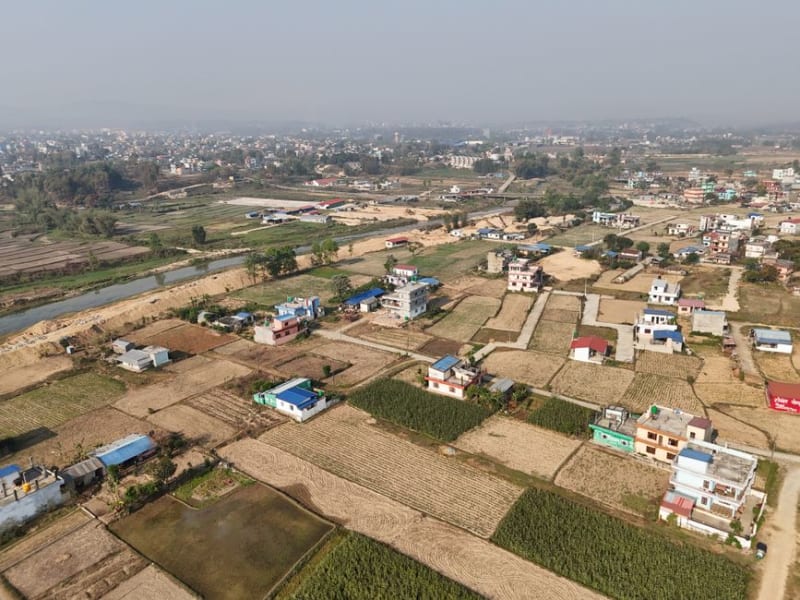 nepal
nepal Nepalgunj
A dusty mid-western border city and the real gateway to Bardia and the far west, where Hindu, Muslim, and Tharu communities share one crowded, chaotic bazaar.
Explore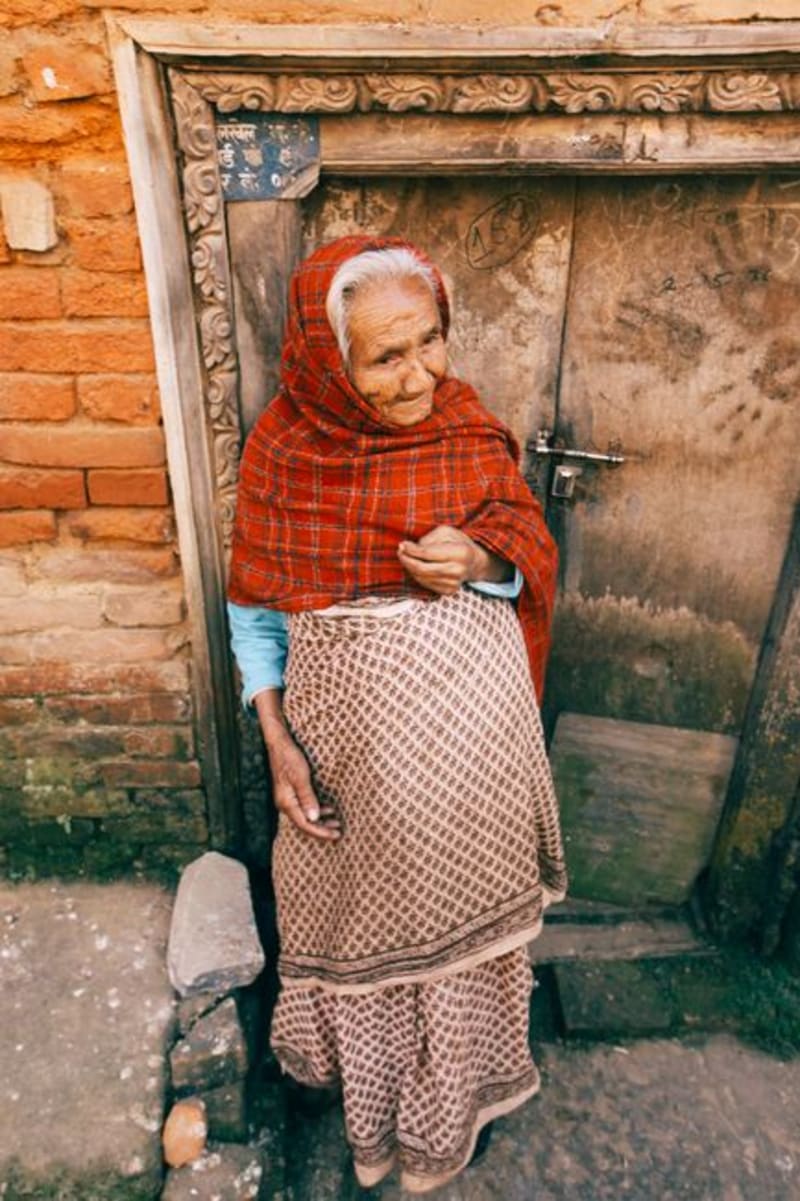 nepal
nepal Panauti
A Newari temple town at the confluence of two rivers, thick with medieval architecture and almost entirely free of the tour buses that clog Bhaktapur and Patan an hour up the road.
Explore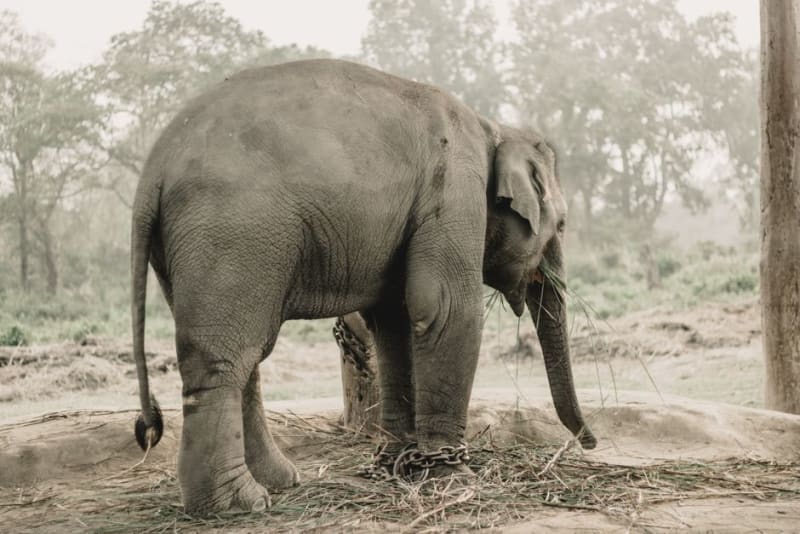 nepal
nepal Parsa National Park
Chitwan's quieter neighboring reserve, a continuous stretch of sal forest along the Churia hills where wild elephant herds still move freely between Nepal and India.
Explore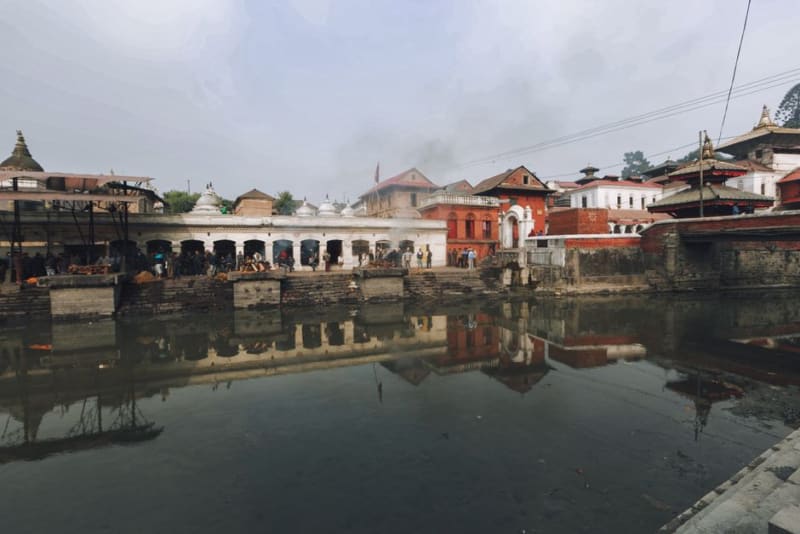 nepal
nepal Pashupatinath
The most sacred Hindu temple in Nepal, where cremation ghats on the Bagmati River sit in plain view of pilgrims, sadhus, and the living.
Explore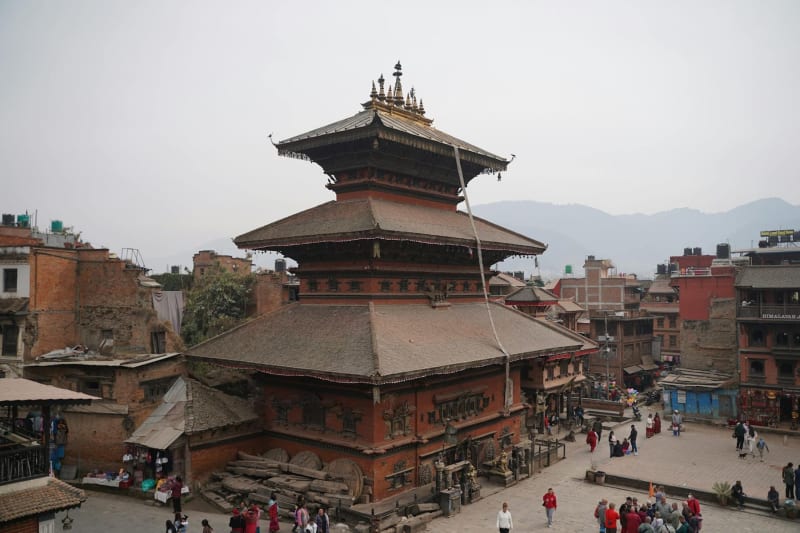 nepal
nepal Patan
The finest Newari architecture in the Kathmandu Valley, a medieval city of bronze windows and courtyards.
Explore