Namche Bazaar
"Namche is the only place on the trail where the acclimatization day turns out to be the highlight."
The horseshoe-shaped Sherpa capital carved into a mountainside, where trekkers stall out for two nights to acclimatize and end up staying for the bakeries.
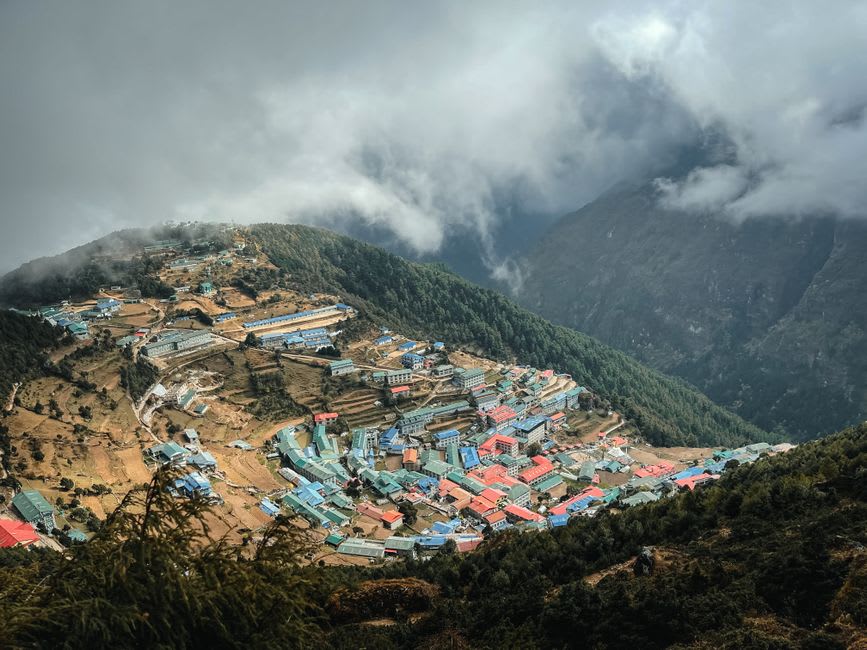
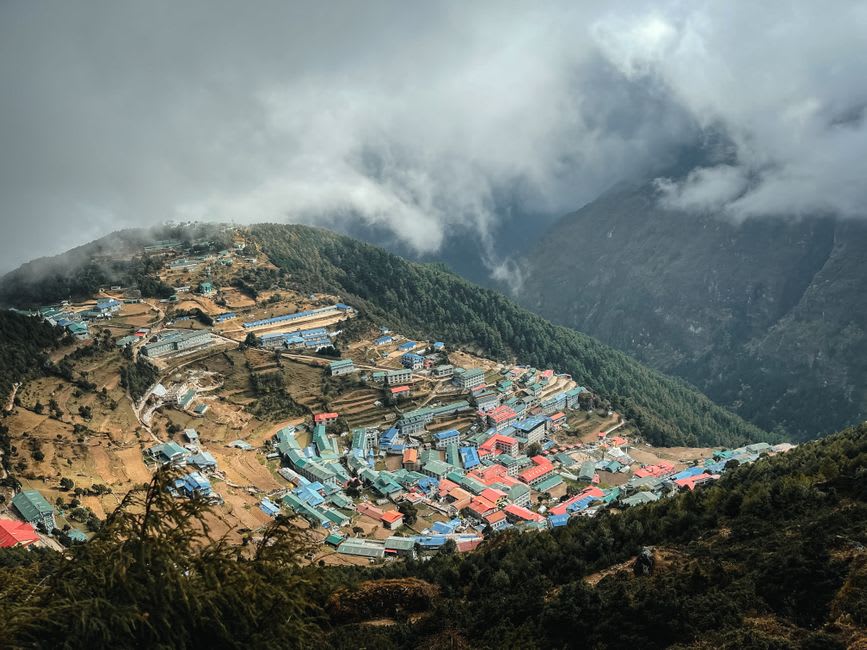
I’d read that Namche Bazaar was the “gateway to Everest,” which made it sound like a checkpoint you pass through rather than somewhere you’d want to linger. Then I actually got there, dropped my pack in a teahouse with a view straight down the amphitheater of stacked stone houses, and understood within an hour why every itinerary builds in two full nights here.
The Shape of the Town
Namche sits at 3,440 meters in a natural bowl, houses stepped up the slope in tiers so that almost every window looks out over the rooftops below rather than a wall. It’s the largest settlement in the Khumbu, and the layout still surprises people who expect a trail village rather than something with this much structure — a horseshoe of guesthouses, bakeries, gear shops, and a Saturday market where traders come up from Lukla and down from the Tibetan border with everything from yak cheese to knockoff down jackets.
The Acclimatization Day That Isn’t Rest
The standard advice is to spend a “rest day” in Namche before pushing higher, but nobody actually rests. Lia and I hiked up to the Everest View Hotel terrace at 3,880 meters, ostensibly to help our bodies adjust to altitude, and ended up drinking overpriced coffee while Everest, Lhotse, and Ama Dablam lined up on the horizon like they’d been arranged for the photograph. The walk back down through Khumjung’s potato fields, with yaks grazing between stone walls, was slower and better than the destination.
Bakeries at 3,440 Meters
The thing nobody warns you about is the German bakeries. After a week of dal bhat, the cinnamon rolls and apple pie at the Namche bakeries hit with a strange, almost dizzying intensity — sugar at altitude does something to the brain. We ate an entire chocolate cake between the two of us over one long afternoon, justified it as carb-loading, and have never fully recovered our appetite for restraint since.
When to go: October and November for the clearest skies and the Saturday market at its busiest; March and April for milder temperatures on the climb up from Phakding. Avoid the monsoon months of June through August, when the trail below town turns to slick mud.
Keep exploring
More from Nepal
 nepal
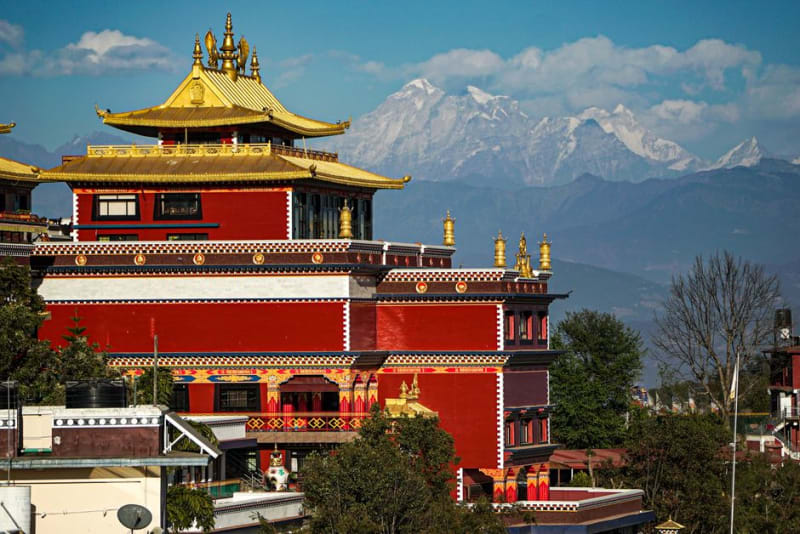
nepal Namobuddha
A ridge-top monastery east of Kathmandu where a Buddhist myth of self-sacrifice still perfumes the air with juniper smoke.
Explore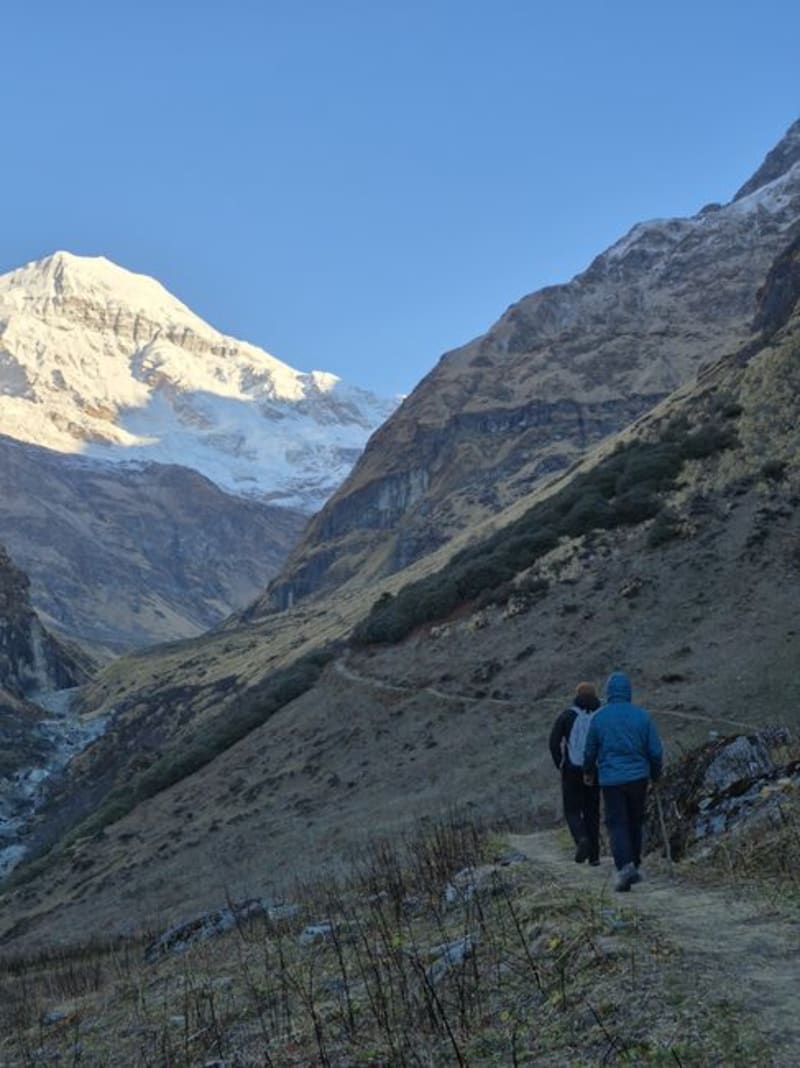 nepal
nepal Nar Phu Valley
A restricted-area valley branching off the main Annapurna Circuit into a hidden Tibetan Buddhist world of two fortress-like villages, requiring a special permit and delivering some of the least-visited trekking in Nepal.
Explore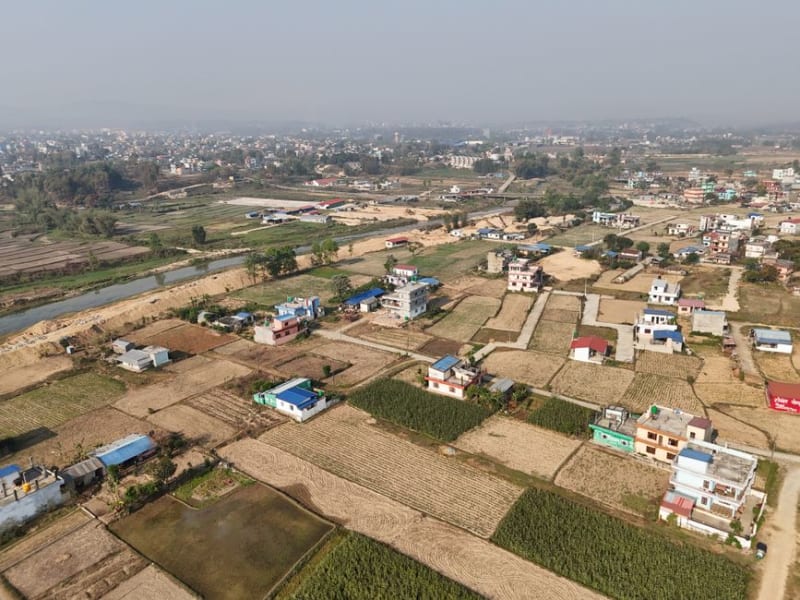 nepal
nepal Nepalgunj
A dusty mid-western border city and the real gateway to Bardia and the far west, where Hindu, Muslim, and Tharu communities share one crowded, chaotic bazaar.
Explore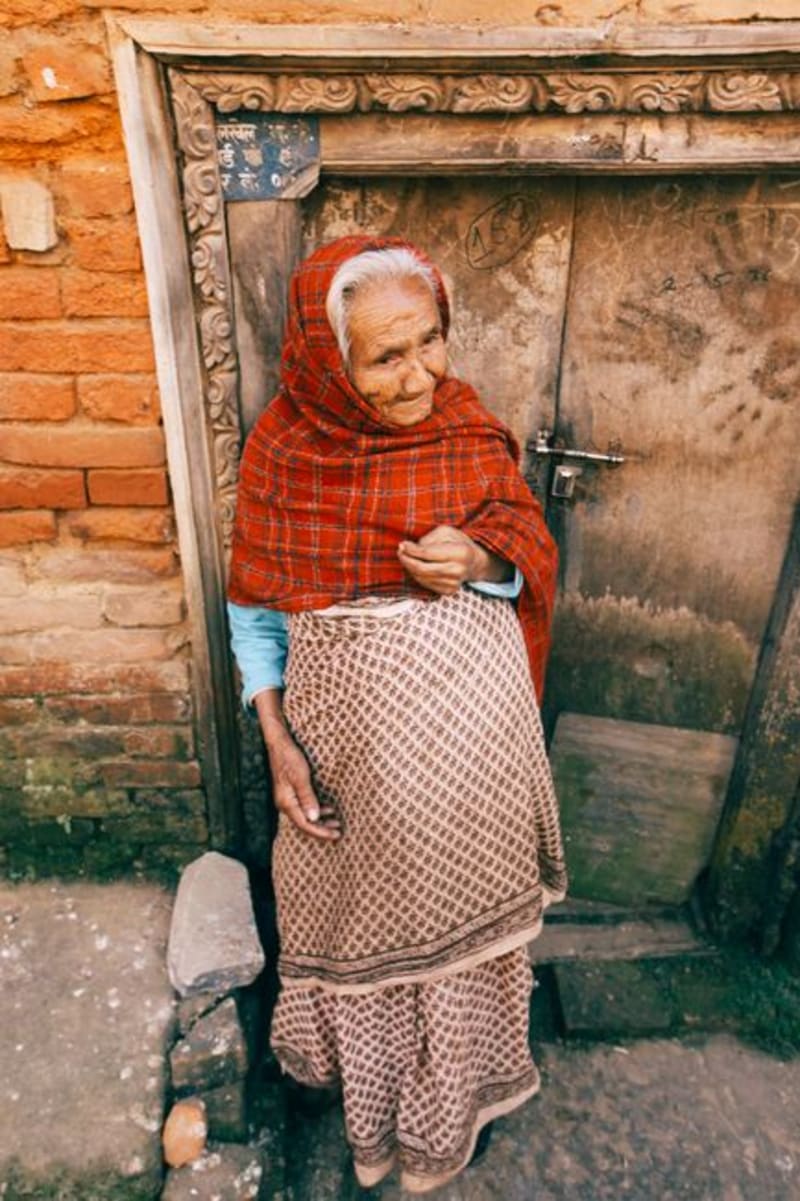 nepal
nepal Panauti
A Newari temple town at the confluence of two rivers, thick with medieval architecture and almost entirely free of the tour buses that clog Bhaktapur and Patan an hour up the road.
Explore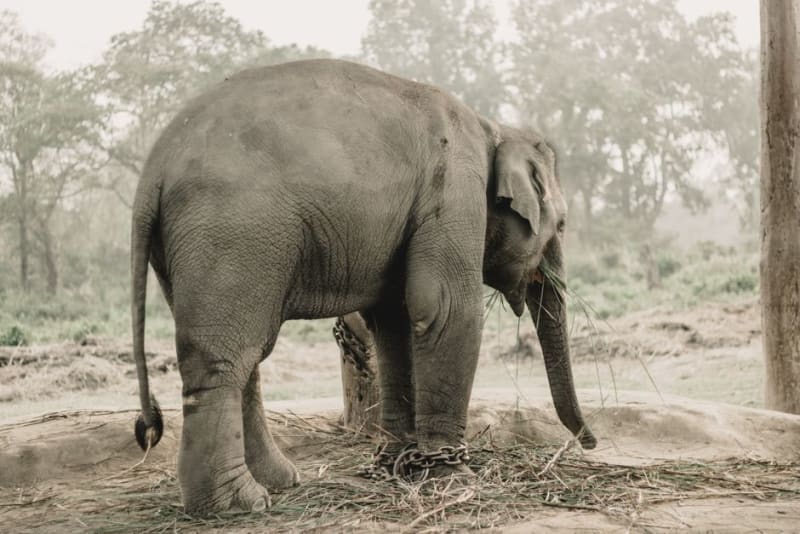 nepal
nepal Parsa National Park
Chitwan's quieter neighboring reserve, a continuous stretch of sal forest along the Churia hills where wild elephant herds still move freely between Nepal and India.
Explore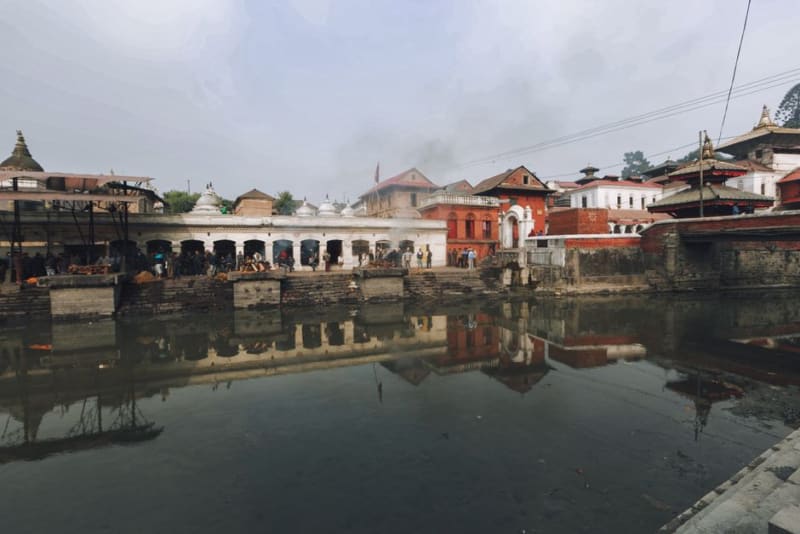 nepal
nepal Pashupatinath
The most sacred Hindu temple in Nepal, where cremation ghats on the Bagmati River sit in plain view of pilgrims, sadhus, and the living.
Explore