Koshi Tappu Wildlife Reserve
"I came for the birds and left thinking mostly about the buffalo — enormous, prehistoric, and nearly gone from the wild everywhere else."
A vast wetland reserve on the Koshi River holding Nepal's last wild water buffalo and some of the richest birdlife in South Asia.
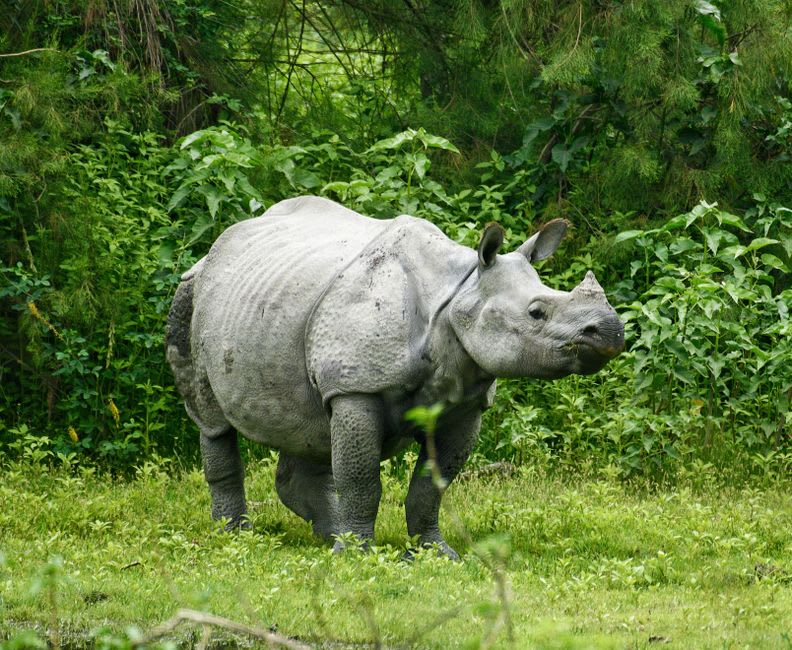
Koshi Tappu doesn’t show up on most Nepal itineraries, which is strange given what it protects. This is a floodplain reserve straddling the braided channels of the Koshi River in the far-eastern Terai, and it holds Nepal’s only surviving population of wild Arna — the wild water buffalo, an animal that has essentially vanished from the wild across the rest of the subcontinent. Lia and I added it almost as an afterthought on our way toward Kakarbhitta, and it ended up being one of the more surprising two days of the whole trip.
The Arna at Dawn
Our guide from the community-run lodge took us out on foot before sunrise, along raised paths between the marsh grass, and within twenty minutes we’d found a herd — maybe thirty animals, dark and massive, wading through waist-deep water with an unhurried confidence that felt almost prehistoric. Unlike domestic buffalo, these are wary of humans and keep serious distance, so the guide’s ability to read wind direction and approach angle made the difference between seeing them clearly and seeing nothing but dust.
A Birdwatcher’s Reserve, Even for the Uninitiated
I am not, generally, a birdwatcher. Koshi Tappu made a decent case for becoming one. The reserve sits on a major migratory flyway, and even a casual walk along the embankment produced sightings that had our guide visibly excited — a flock of bar-headed geese passing low overhead, a pair of Bengal floricans in the grass, storks and herons working the shallows in numbers I hadn’t seen concentrated anywhere else in Nepal. Over four hundred species have been recorded here.
Life on the Riverbank
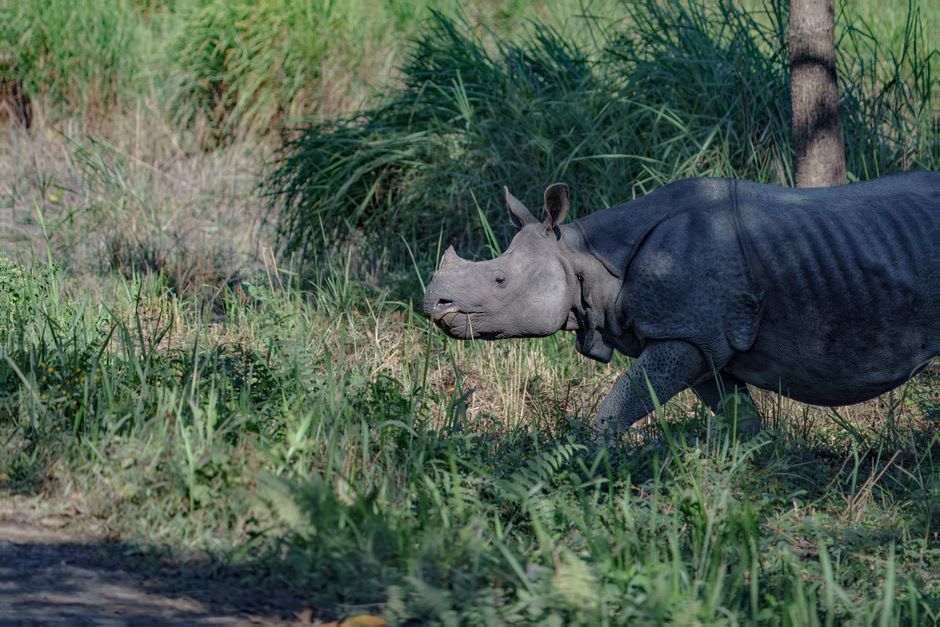
The Koshi is known locally as the “Sorrow of Bihar” for its history of catastrophic flooding downstream, and the villages within the reserve’s buffer zone live with that reality directly — homes on stilts, embankments rebuilt after every serious monsoon. Talking with a fisherman mending a net near the barrage, I got a clearer sense of how precarious life is for communities sharing space with a reserve this significant, and how little support reaches them compared to the wildlife they live alongside.
When to go: December through February is peak birdwatching season for migratory species, with cool, dry, comfortable weather. March through May gets hot but still workable for early-morning walks. Avoid the monsoon from June through September, when the Koshi floods extensively and the reserve becomes largely inaccessible.
Keep exploring
More from Nepal
 nepal
nepal Langtang Valley
A glacier-carved valley just north of Kathmandu that feels like the Himalayas at their most intimate — close enough to walk to from the capital, wild enough that you can go days without seeing another foreigner.
Explore nepal
nepal Lukla
The mountain airstrip everyone flies into and nobody plans to enjoy — until the fog clears and you realize the town itself has its own strange charm.
Explore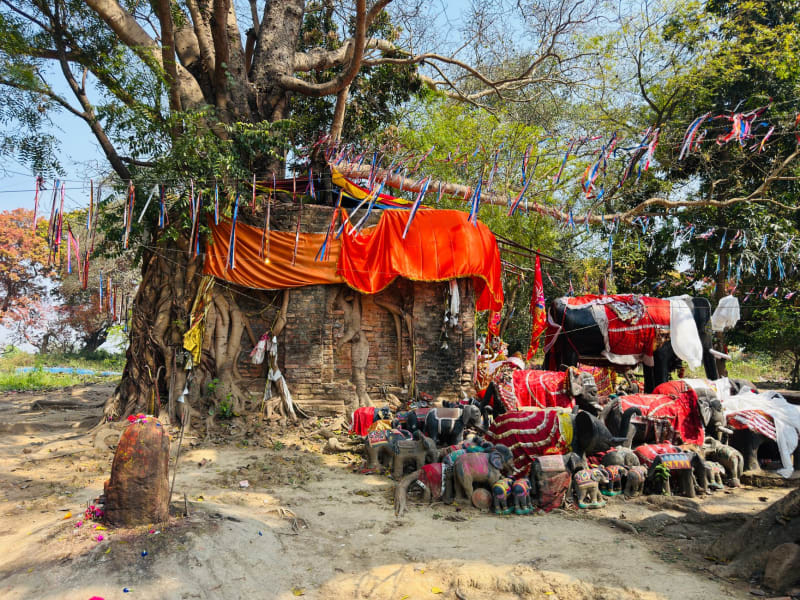 nepal
nepal Lumbini
The birthplace of the Buddha sits in the flat Terai plains as a strange, serene collision of pilgrimage fervor and museum-quiet emptiness.
Explore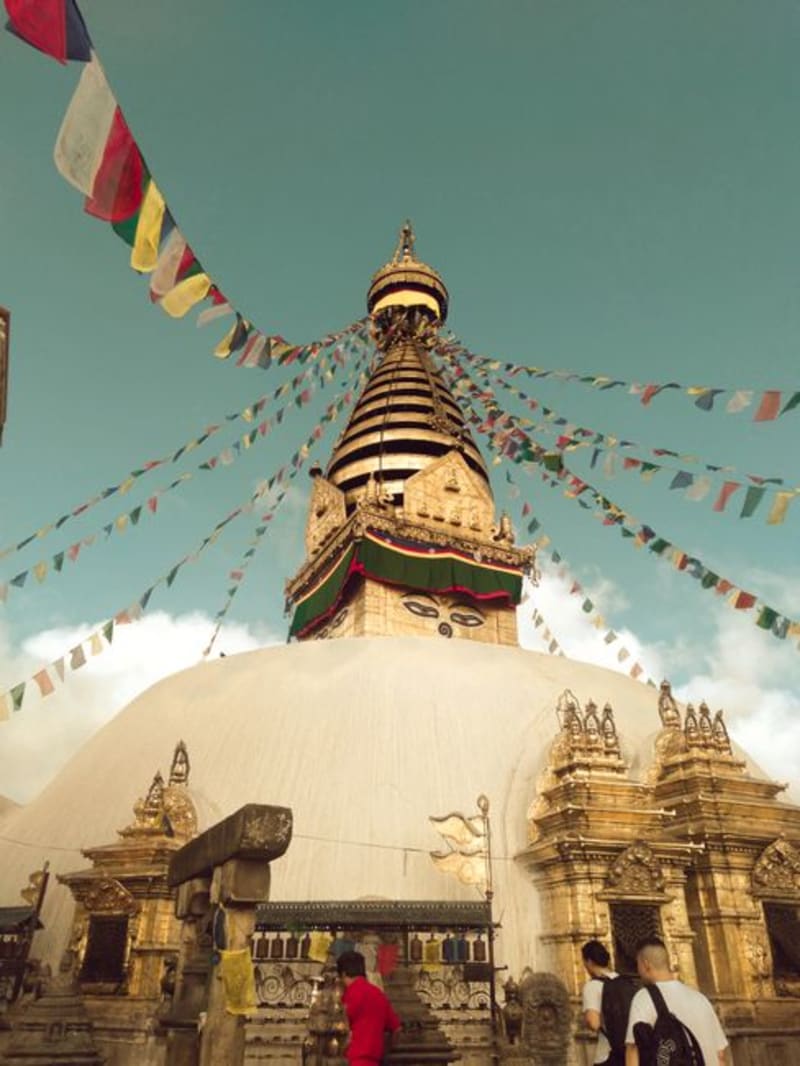 nepal
nepal Luri Gompa
A cave monastery carved into a cliff face above the village of Yara, reachable only by a scramble up an exposed rock chimney, and among the least-visited sacred sites in Upper Mustang.
Explore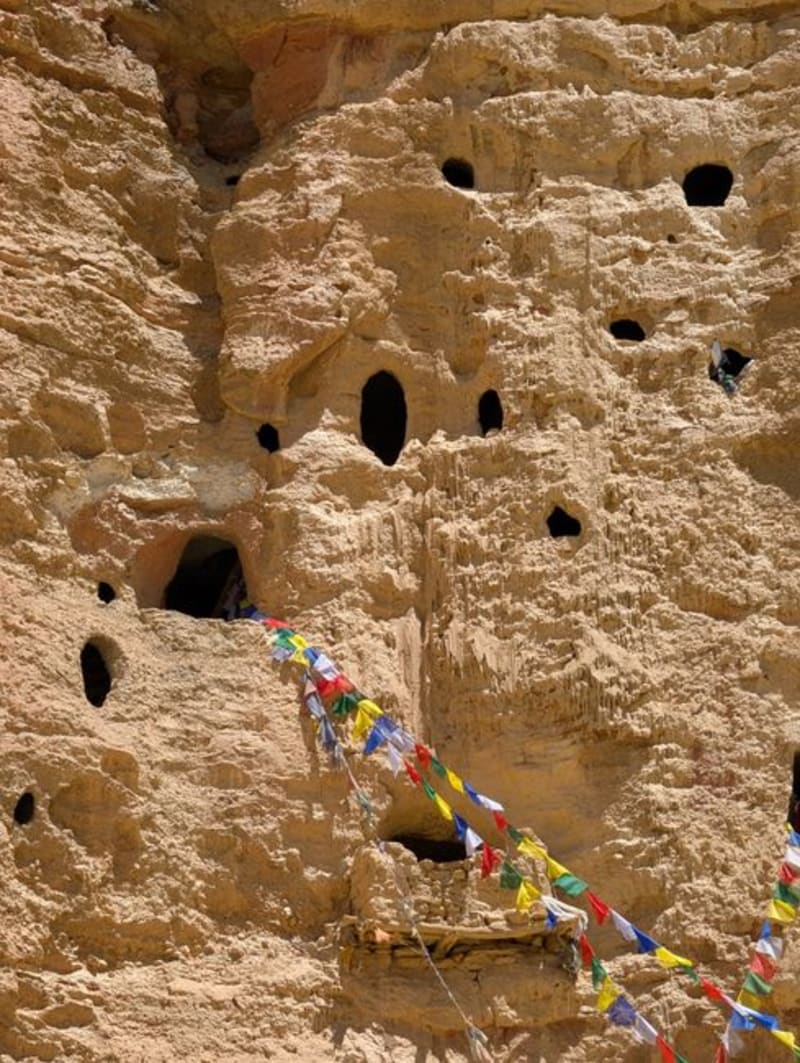 nepal
nepal Mahendra Cave
A bat-filled limestone cavern north of Pokhara, less polished than its famous neighbor and better for it.
Explore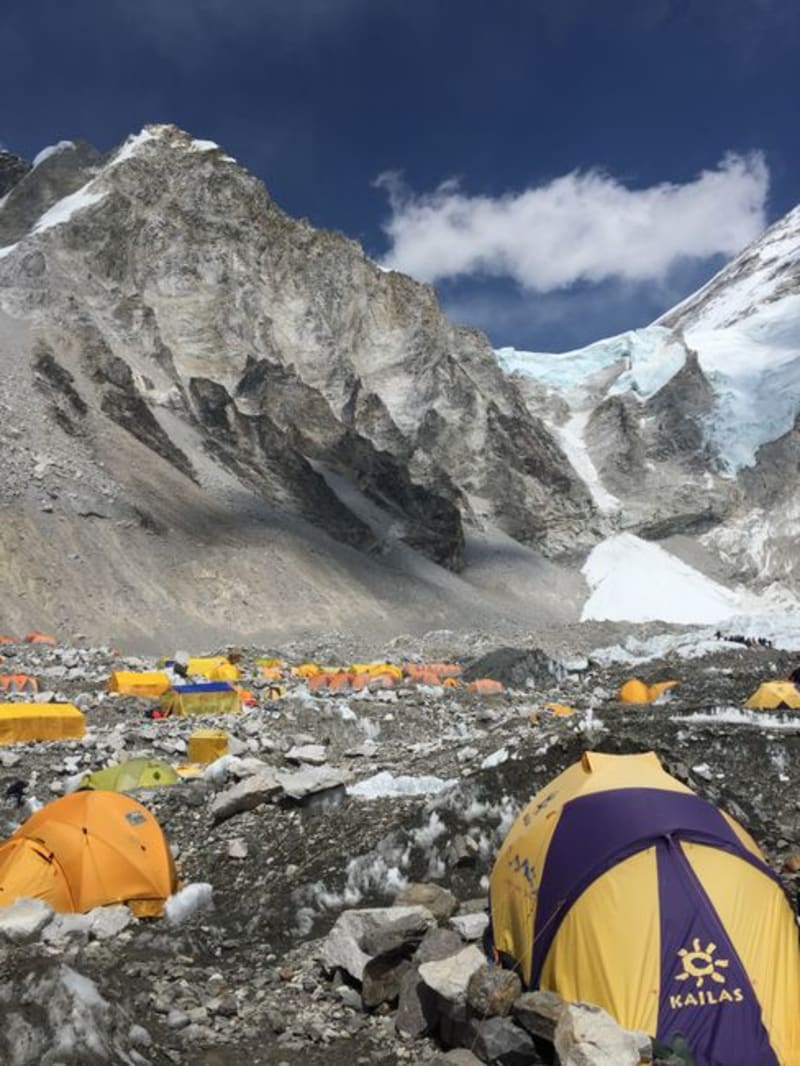 nepal
nepal Makalu Base Camp
A demanding trek into the Barun Valley beneath the world's fifth-highest peak, through one of Nepal's most pristine and least developed conservation areas.
Explore