Kala Patthar
"Base Camp is the destination everyone talks about. Kala Patthar is the one that actually shows you the mountain."
The pre-dawn viewpoint above Gorak Shep that delivers the Everest photograph nobody actually gets from Base Camp itself.
Nobody tells you this until you’re already at Gorak Shep, exhausted and half-convinced you’ve achieved the point of the whole trip: Everest Base Camp doesn’t actually offer a clear view of Everest. The mountain’s bulk and the surrounding ridgelines block the summit almost entirely from ground level. Kala Patthar, the black rock outcrop above Gorak Shep, is the fix — and the reason most itineraries build in a second brutal pre-dawn climb after the one to Base Camp itself.
The 3 a.m. Start
We set an alarm for three in the morning, which felt like a small act of self-harm after the previous day’s push to Base Camp, and started up the trail by headlamp in temperatures well below freezing. The climb to the main viewpoint at 5,545 meters gains around 400 meters from Gorak Shep, and at that altitude, in the dark, every step took real deliberation — short, controlled breaths, the kind of pace where conversation becomes impossible and unnecessary.
The View That Justifies Everything
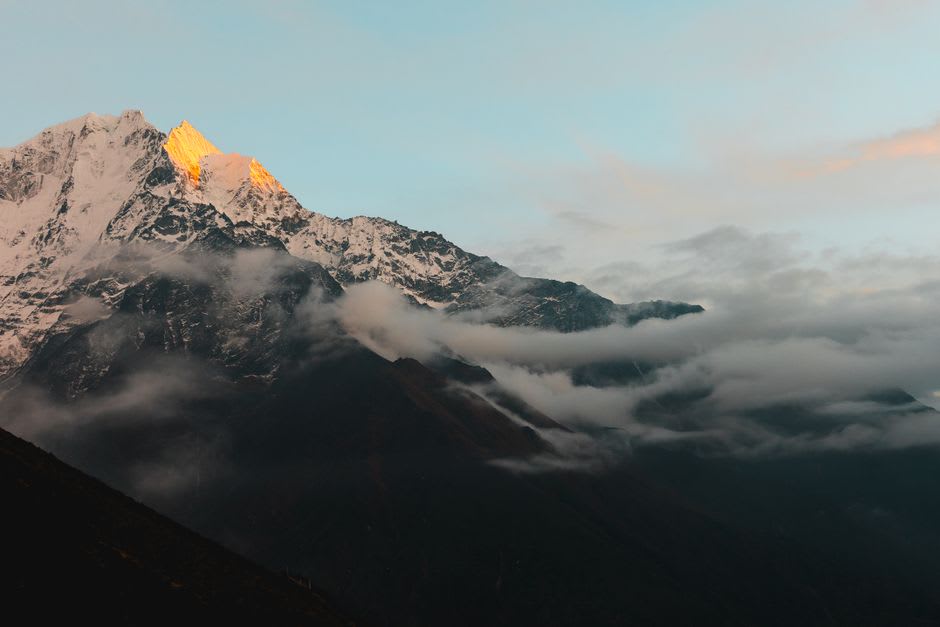
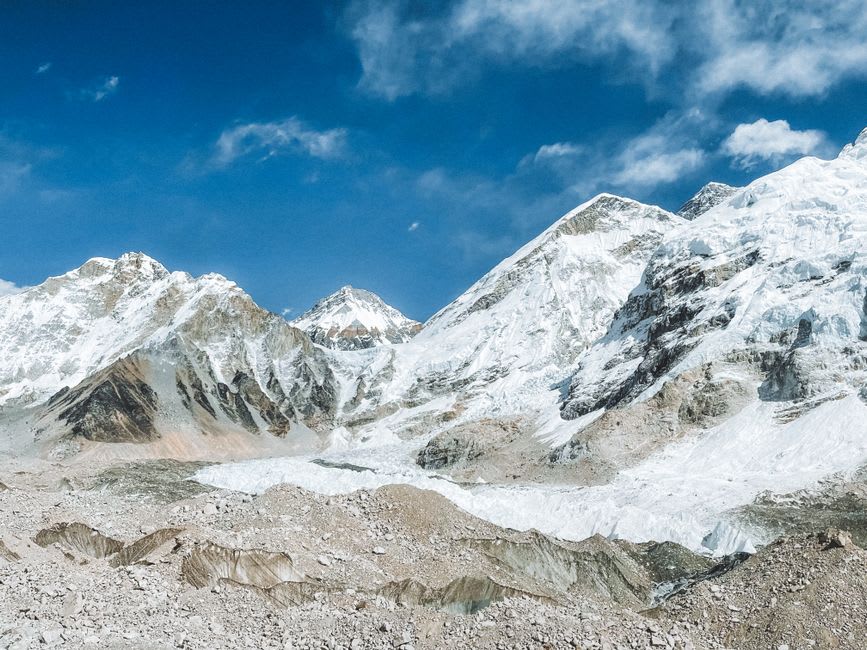
We reached the ridge maybe twenty minutes before sunrise, found a flat rock, and waited in a cold that made my water bottle freeze solid inside my jacket. Then the light hit Everest’s summit first — a small triangle of gold appearing above Nuptse’s ridge while everything around it stayed in shadow — and slowly crept down the mountain until the whole Khumbu range was lit. It’s the only point on the entire trek where Everest’s full profile, unobstructed, is visible from a trekker’s trail rather than a mountaineer’s route.
Coming Back Down
The descent back to Gorak Shep for a late breakfast felt almost anticlimactic — dal bhat has never tasted better than it did after that climb, exhaustion and altitude and cold all resolving into simple, animal hunger. Most trekkers push on to Lobuche the same day; we stayed one more night just to let the view settle in.
When to go: October and November give the most reliable clear pre-dawn skies for the summit view. Spring (April–May) works too but afternoon cloud can build in fast, so a genuinely clear sunrise is less guaranteed. Winter access is possible but demands serious cold-weather preparation at this altitude.
Keep exploring
More from Nepal
 nepal
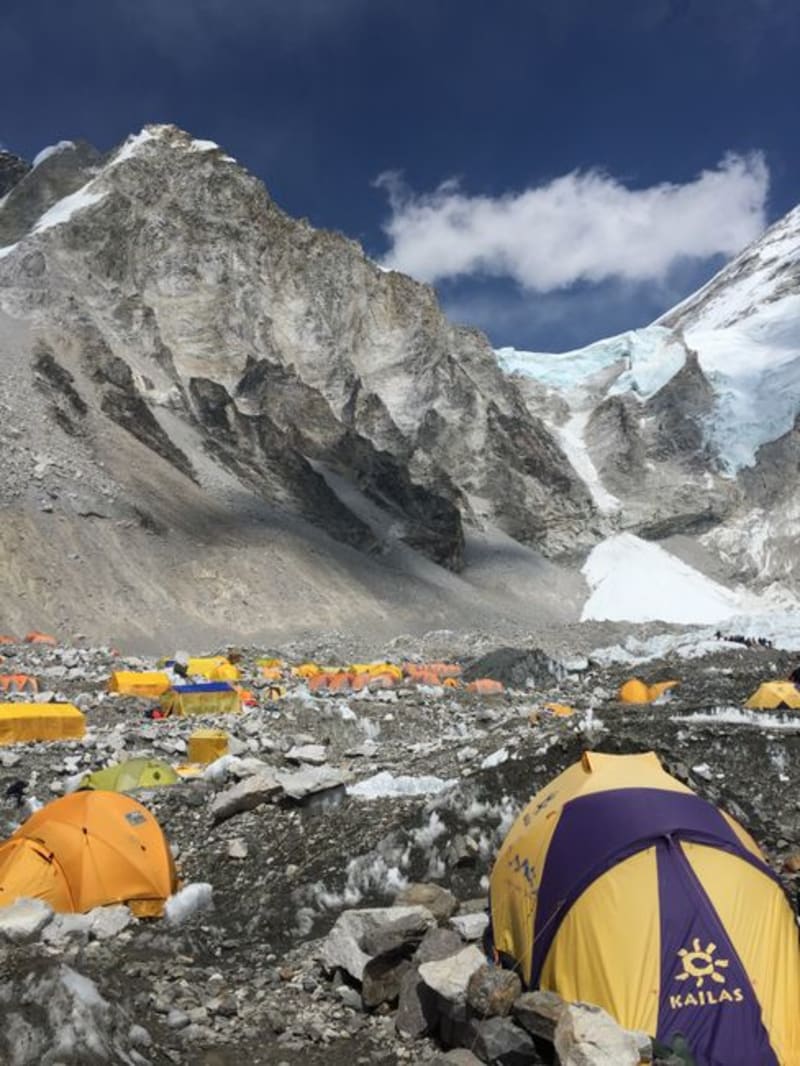
nepal Kanchenjunga Base Camp
A remote three-week trek to the base of the world's third-highest mountain, through Nepal's most biodiverse and least-crowded conservation area.
Explore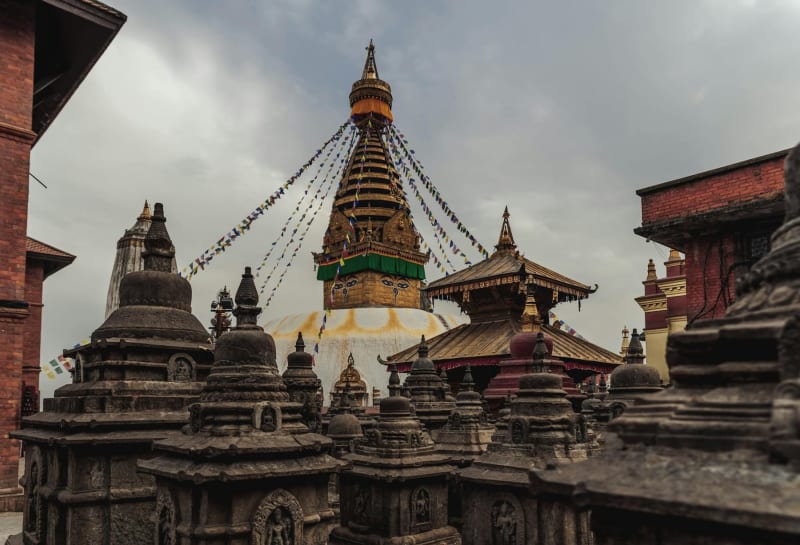 nepal
nepal Kathmandu
A labyrinth of medieval alleys, spinning prayer wheels, and the Boudhanath stupa's all-seeing eyes.
Explore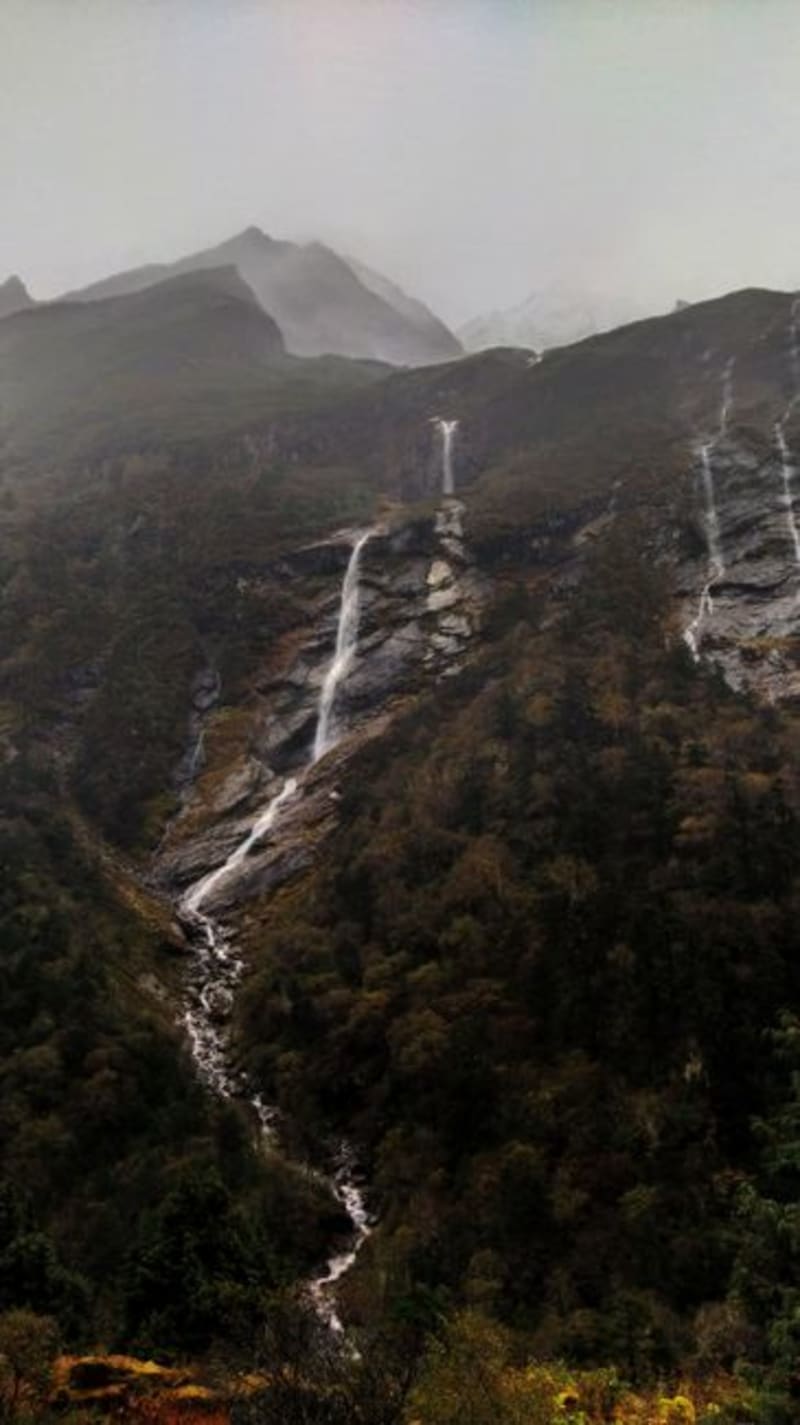 nepal
nepal Khaptad National Park
A high plateau of rolling meadows, oak forest, and hidden lakes in far-western Nepal, sacred to pilgrims and visited by almost no one else.
Explore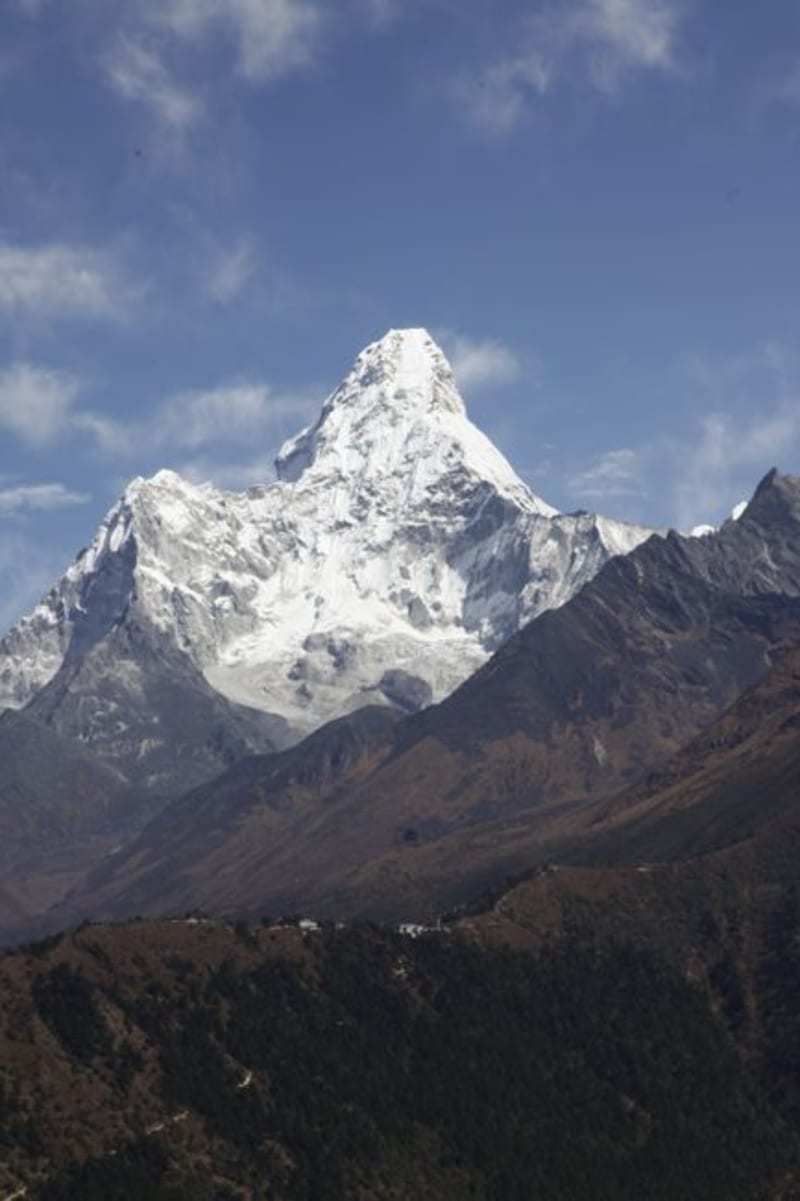 nepal
nepal Khumjung
A quiet Sherpa farming village above Namche, home to Edmund Hillary's oldest school and a monastery relic that draws its own peculiar kind of pilgrim.
Explore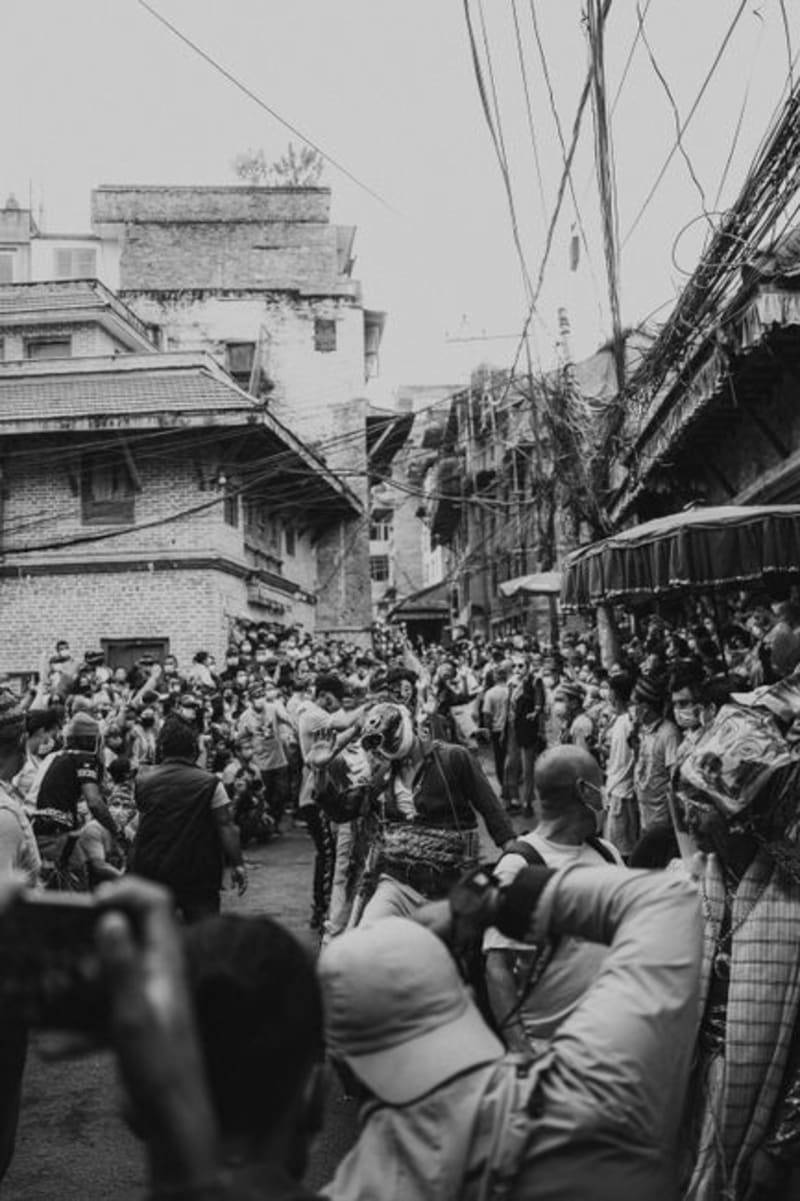 nepal
nepal Kirtipur
A hilltop Newari town on Kathmandu's edge that skipped the tourist economy entirely and kept its temples, weaving, and quiet.
Explore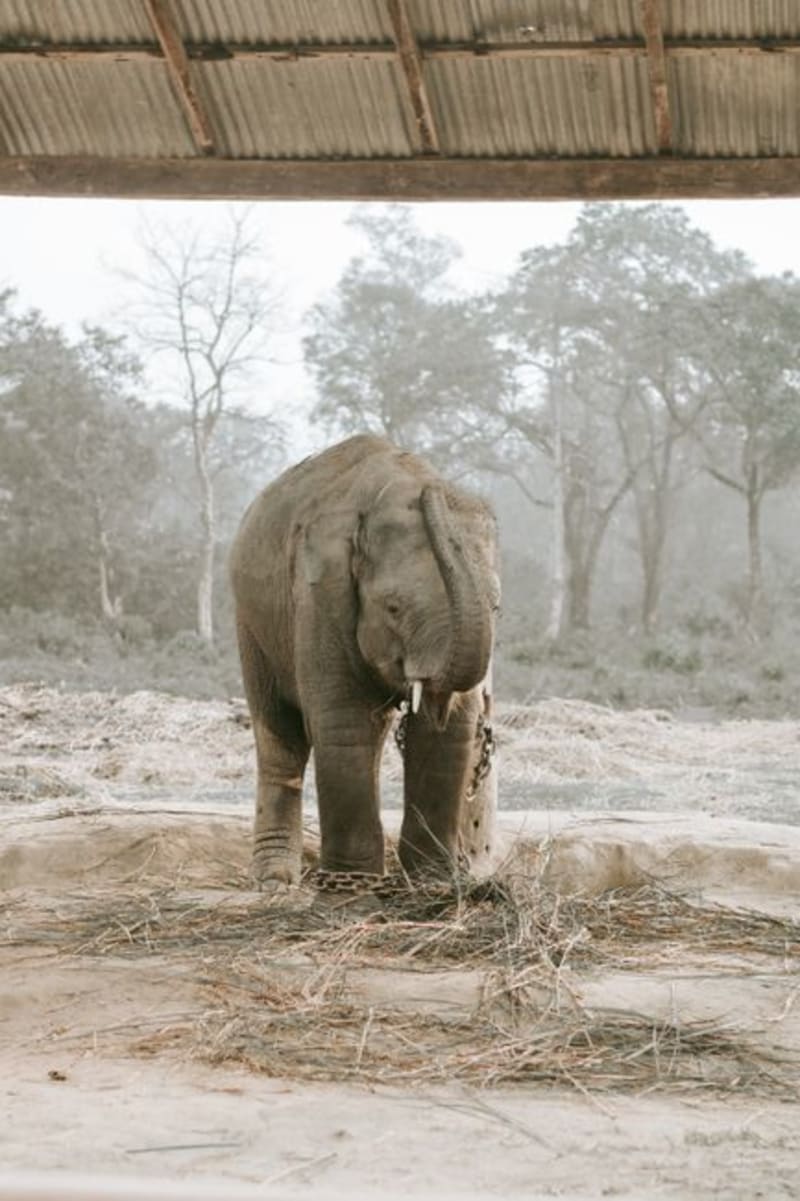 nepal
nepal Koshi Tappu Wildlife Reserve
A vast wetland reserve on the Koshi River holding Nepal's last wild water buffalo and some of the richest birdlife in South Asia.
Explore