Gosaikunda Lake
"Hindu mythology says Shiva struck this ground with his trident to create the lake. Standing there gasping for air at 4,380 meters, I believed it."
A sacred alpine lake at 4,380 meters, frozen half the year and swarmed by pilgrims the other half, reached by a brutal ridge trail that rewards you with some of the starkest scenery in the Langtang region.
Gosaikunda doesn’t get anywhere near the trekking traffic that Everest or Annapurna do, which is strange given what’s actually up there: a sacred alpine lake ringed by scree and snow, sitting in a bowl above 4,000 meters that Hindu and Buddhist pilgrims have been climbing to for centuries. I did it as an extension off the Langtang trek, branching away from Kyanjin Gompa’s crowds toward Sing Gompa and then up, and by the time I crested the final ridge my legs had stopped negotiating and started simply complying.
The climb from Sing Gompa
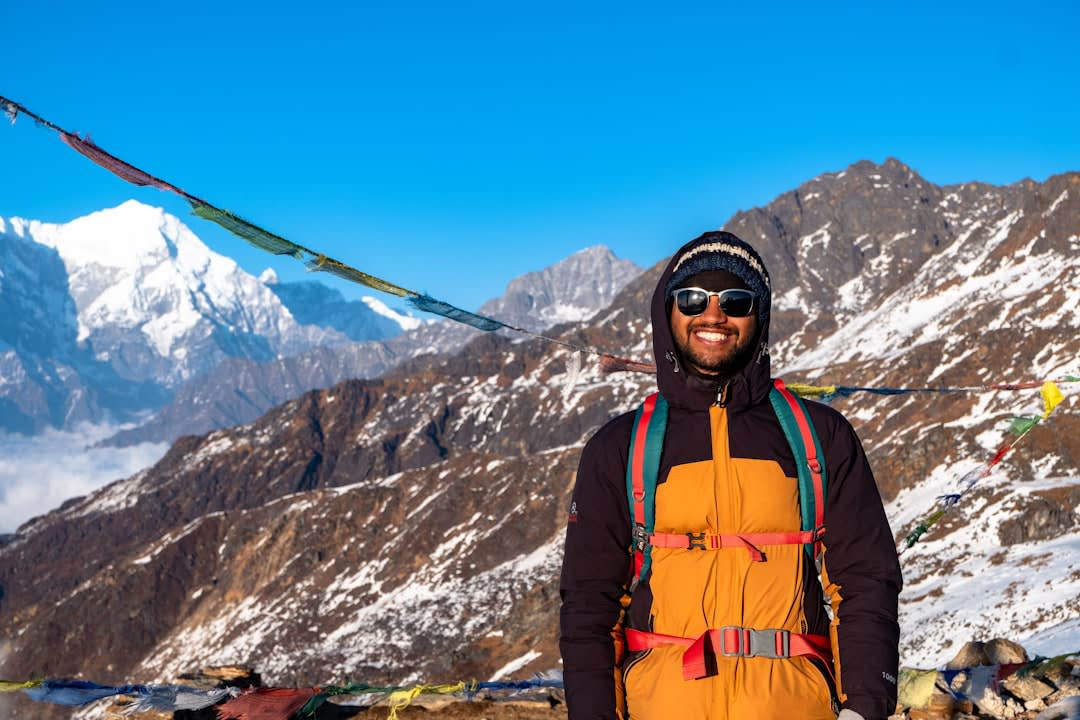
The trail out of Sing Gompa gains altitude fast — you leave the cheese-factory hamlet behind, climb through the last stunted rhododendron and juniper scrub, and cross into a landscape that’s basically rock, snow, and wind above 4,000 meters. Laurebina La pass marks the psychological midpoint; from there the trail traverses a barren ridge with views west toward Ganesh Himal that stopped me more than once, not for photos but just to stand there. It’s a long day, six to seven hours depending on snow conditions, and there’s no shade and very little shelter until you drop into the lake basin itself.
The lake and the pilgrimage
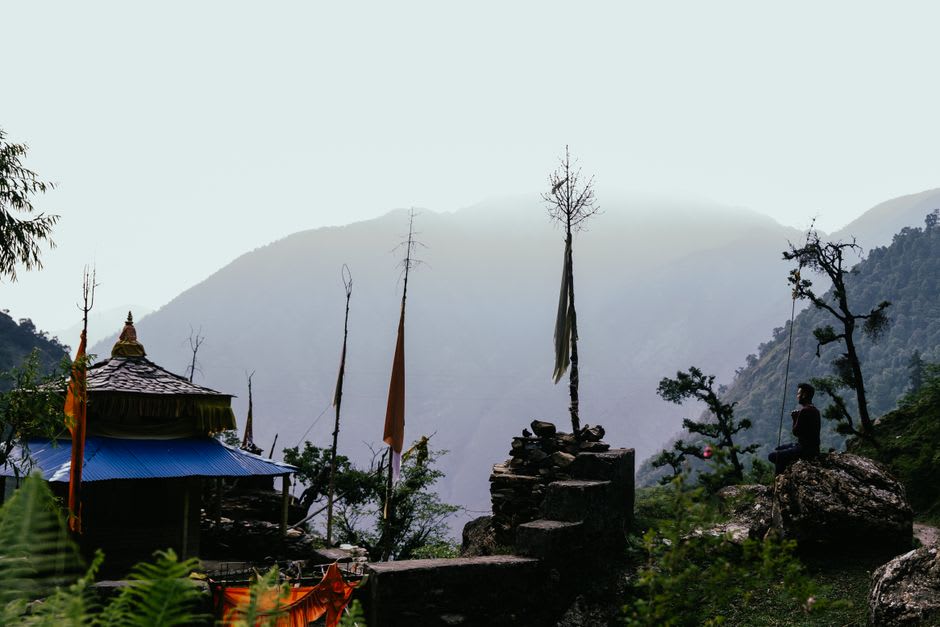
During Janai Purnima in August, thousands of Hindu pilgrims make the climb to Gosaikunda to bathe in the lake, believed to be the spot where Shiva created a body of water by piercing a glacier with his trident to quench his thirst after swallowing poison during the churning of the cosmic ocean. I wasn’t there for the festival — I went in late October, when the lake was half-frozen at the edges and completely silent except for wind moving across the water. There’s a small stone shrine on the shore, prayer flags strung between boulders, and a handful of teahouses that operate a stripped-down existence for the few weeks a year anyone’s up there outside festival season.
Why it’s worth the detour
Most Langtang trekkers turn around at Kyanjin Gompa and head back down the same valley. Continuing on to Gosaikunda and then descending via the Helambu route to Melamchi Pul turns a there-and-back trek into a proper traverse, and the scenery on the ridge above the lake is some of the starkest and least photographed high-altitude landscape I saw in Nepal. It’s harder than the main Langtang trail — thinner air, less reliable teahouse infrastructure, and real risk of snow blocking the pass outside the main season — but it’s not a trek I’d skip if I were doing Langtang again.
When to go: Late September through November is the safest and clearest window, before heavy snow closes Laurebina La. April and May work if you’re prepared for lingering snow on the pass. Avoid December through March, when the route is frequently impassable, and be aware that the trail gets crowded and basic during Janai Purnima in August.
Keep exploring
More from Nepal
 nepal
nepal Gupteshwor Cave
A limestone cave beneath Pokhara where an underground river meets a Shiva shrine in total darkness.
Explore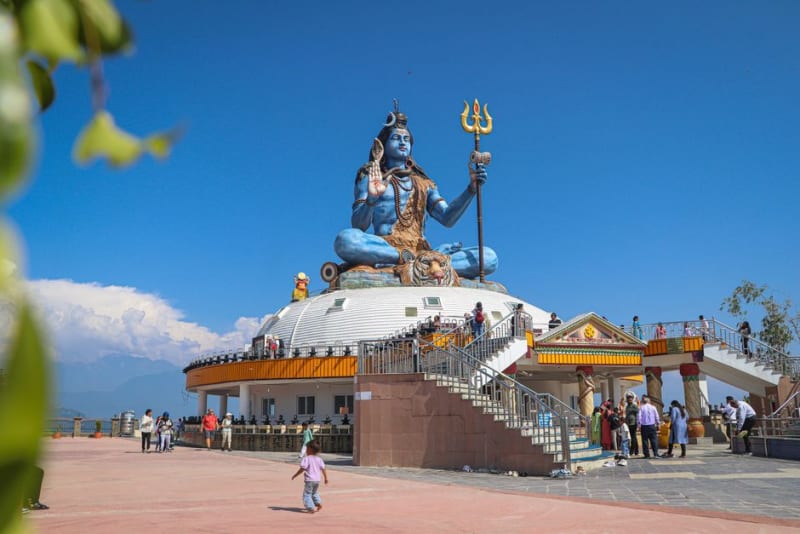 nepal
nepal Halesi Mahadev
A vast limestone cave temple sacred to Hindus and Buddhists alike, hidden in the hills of Khotang district and reached by a barefoot scramble through the dark.
Explore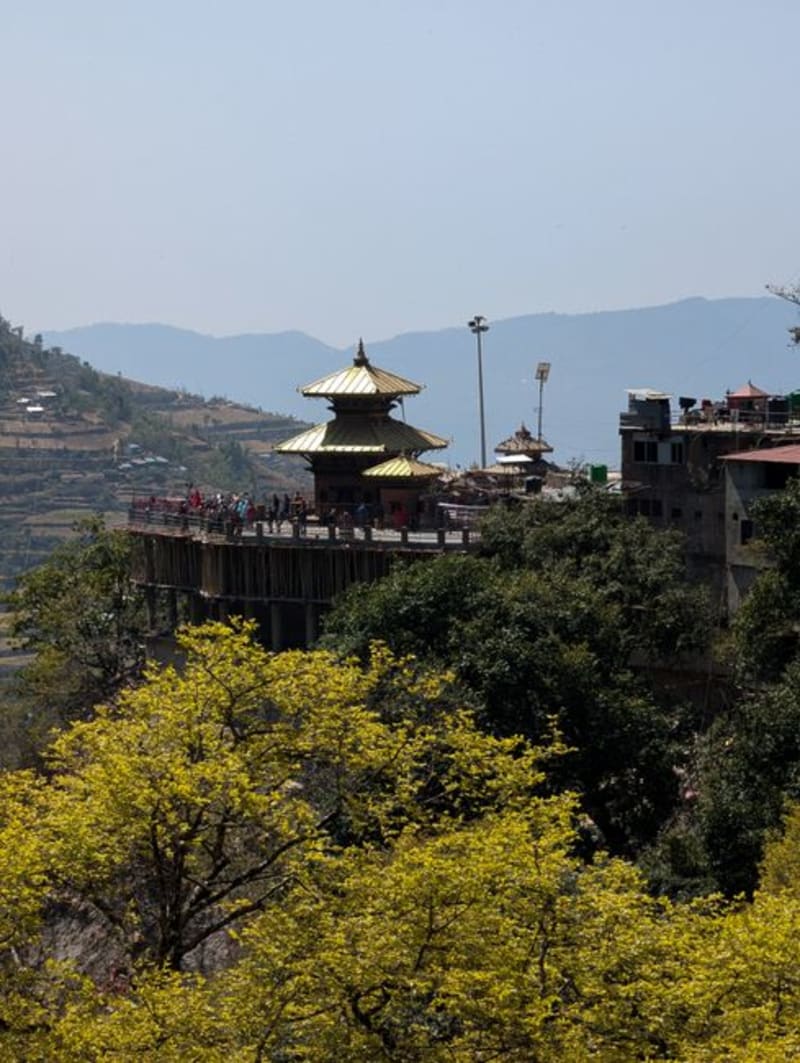 nepal
nepal Halesi Mahadev
A limestone cave temple in the eastern hills sacred to both Hindus and Buddhists, its dripping stalactite chambers doubling as a shrine to Shiva.
Explore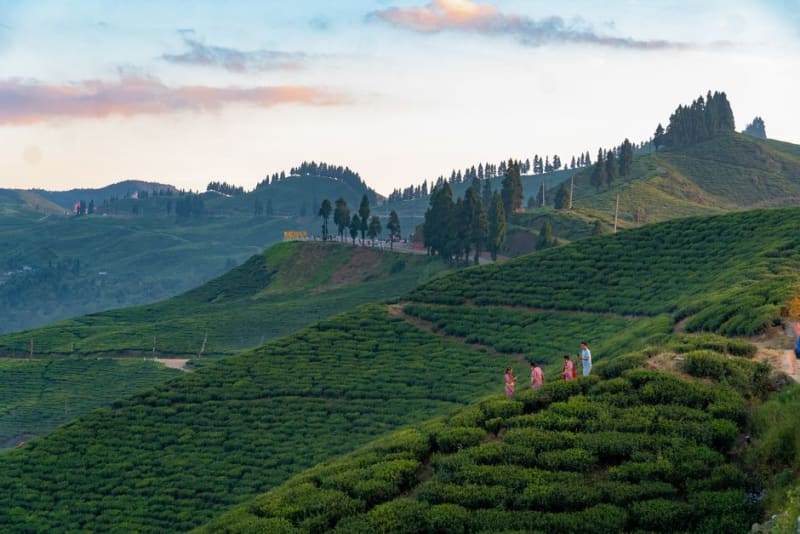 nepal
nepal Ilam
Rolling emerald tea gardens in Nepal's far east, where the hills look more like Darjeeling than the Himalayas most people picture.
Explore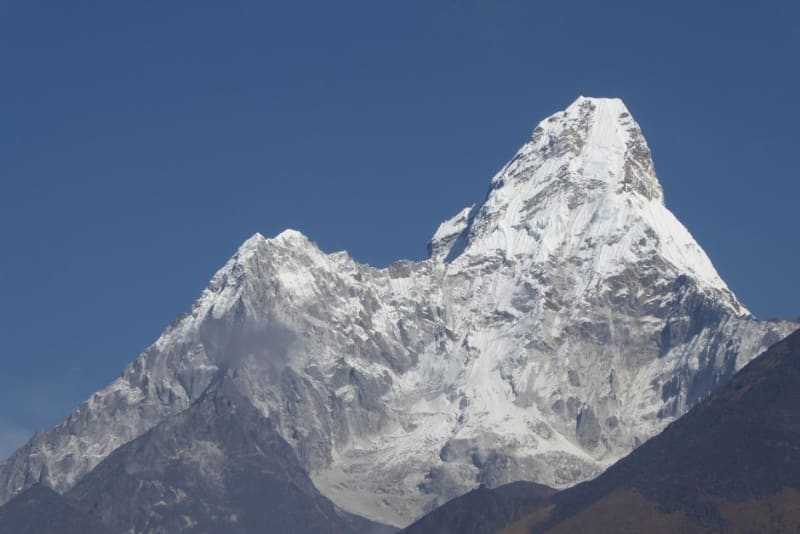 nepal
nepal International Mountain Museum
A Pokhara museum built for the climbers and Sherpas who make the Himalayas possible, not just the mountains themselves.
Explore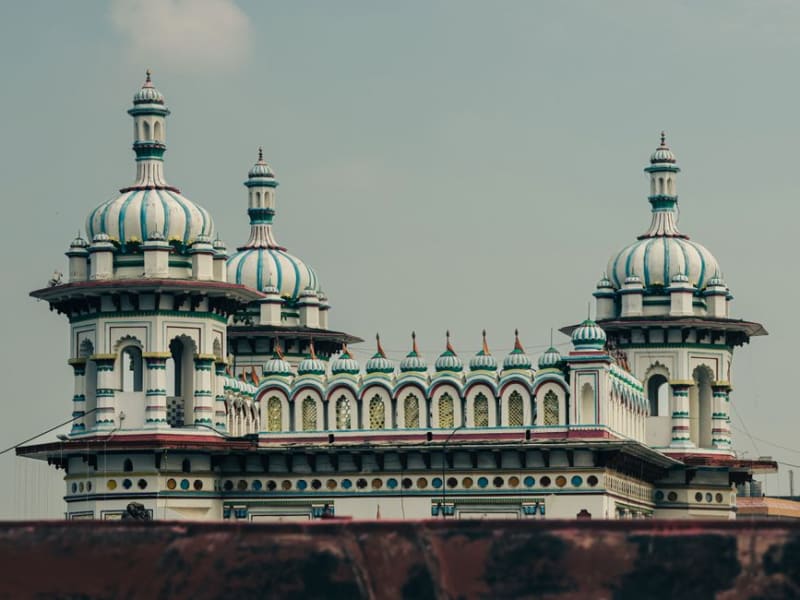 nepal
nepal Janakpur
The spiritual capital of the Mithila region, where the ornate Janaki Mandir and painted village walls reveal a Terai culture that looks nothing like the hills.
Explore