The hilltop fortress town where Prithvi Narayan Shah launched the unification of Nepal, still guarded by a palace perched improbably on a cliff edge.
I went to Gorkha for one reason and left with a different one entirely. The reason I came was historical curiosity: this small hill town is where Prithvi Narayan Shah began the eighteenth-century campaign that eventually unified the dozens of independent kingdoms into what became Nepal, and it is also the namesake of the Gurkha soldiers whose reputation for courage I’d heard about long before I ever set foot in the country. The reason I stayed was the climb itself.
The Thousand Steps to Gorkha Durbar
The old palace sits on a ridge above the modern bazaar, reachable only by a long stone staircase that climbs through forest and past several smaller shrines before the fortress walls appear. It took us the better part of an hour, sweating in the mid-morning heat, stopping twice to let elderly pilgrims pass — barefoot, unhurried, clearly making this climb as an act of devotion rather than tourism. The Kalika temple inside the durbar complex does not allow leather or photography in its inner sanctum, so I left my camera with the gatekeeper and went in with nothing but my own eyes, which felt appropriately humbling.
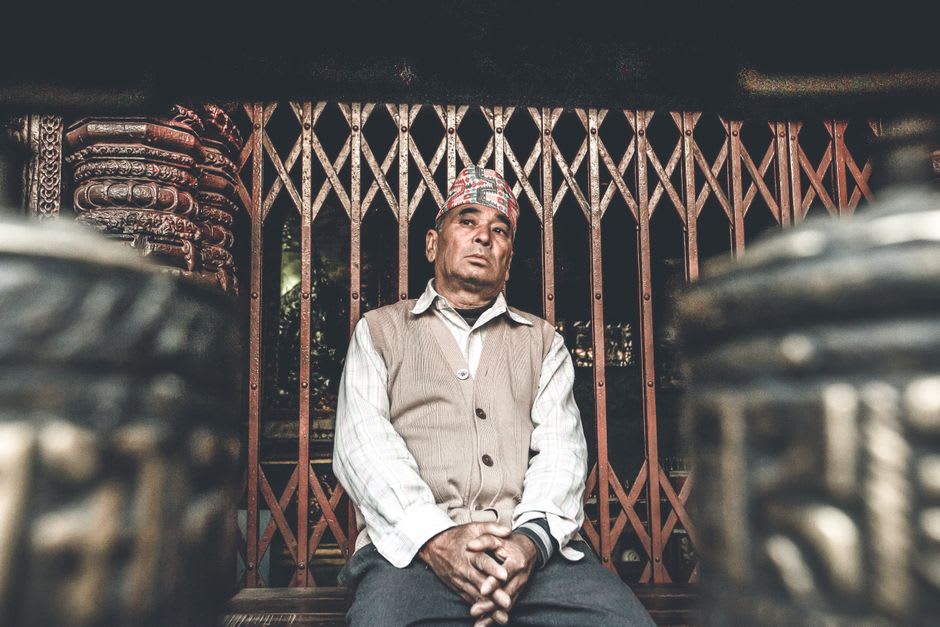
The View That Explains the Strategy
From the ramparts, the reason for the fortress’s location becomes obvious in a way no history book conveyed to me. You can see for what feels like fifty kilometers in every direction — down into the valley, along the ridgelines toward the distant white line of the Manaslu and Annapurna ranges on a clear day. Whoever chose this site chose it for the sightlines as much as the elevation. I sat on the outer wall for a long time with Lia, not talking much, just tracing the ridges with a finger and trying to imagine an army moving across them two and a half centuries ago.
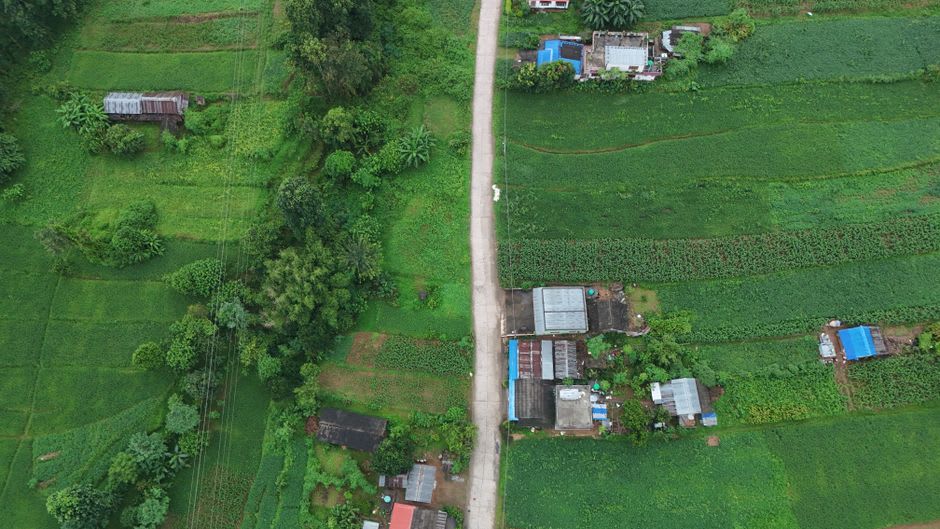
The Bazaar Below
Back down in the modern town, Gorkha Bazaar is unglamorous in the best way — a working market street selling vegetables, hardware, and school supplies, with none of the curio shops that cluster around better-known Nepali landmarks. We ate a plate of momos at a stall with four plastic stools and a queue of local schoolteachers, and I liked it more than any of the tourist-facing restaurants I’d eaten at that month.
When to go: October through April for dry trails and clear mountain views from the ramparts. The stone steps get slick and the leeches come out during the June to September monsoon, so plan around it if the climb is the point of your visit.
Keep exploring
More from Nepal
 nepal
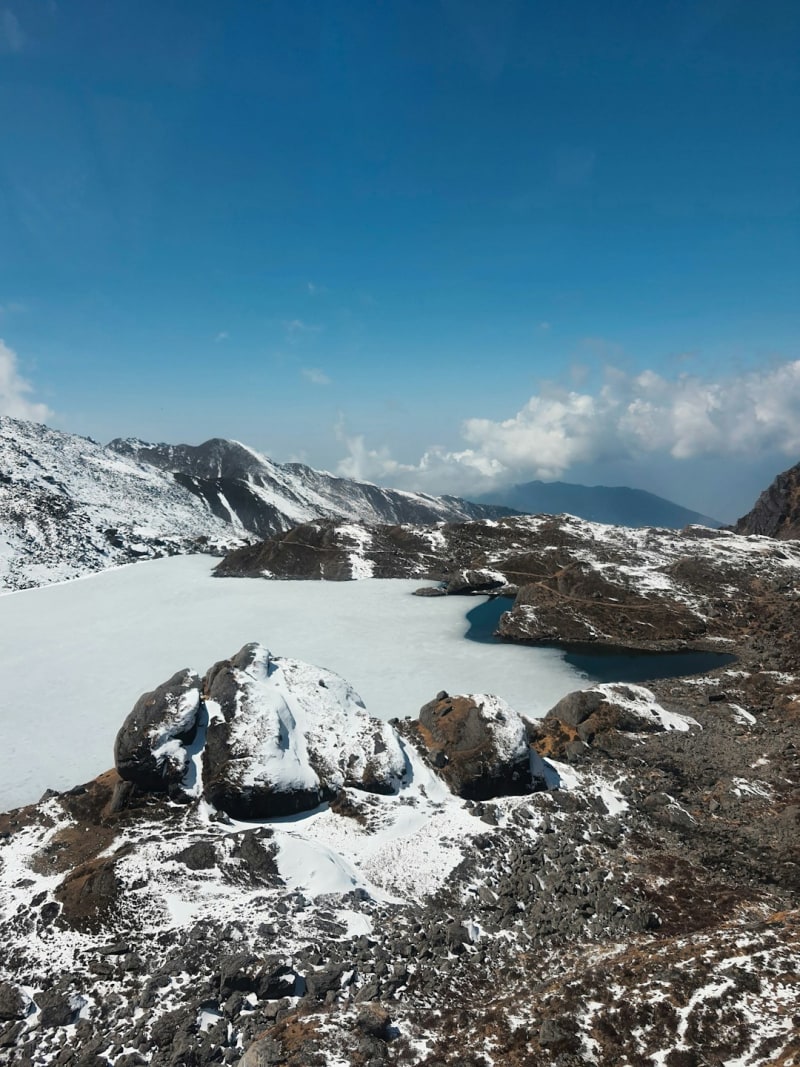
nepal Gosaikunda Lake
A sacred alpine lake at 4,380 meters, frozen half the year and swarmed by pilgrims the other half, reached by a brutal ridge trail that rewards you with some of the starkest scenery in the Langtang region.
Explore nepal
nepal Gupteshwor Cave
A limestone cave beneath Pokhara where an underground river meets a Shiva shrine in total darkness.
Explore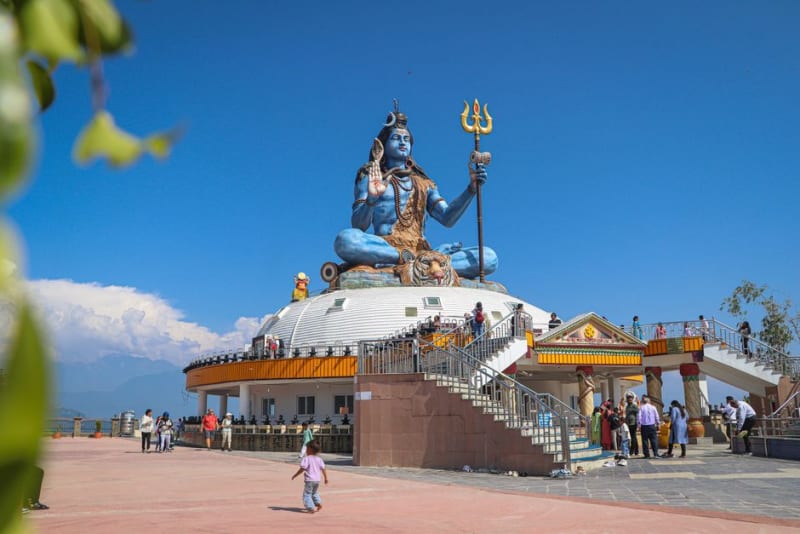 nepal
nepal Halesi Mahadev
A vast limestone cave temple sacred to Hindus and Buddhists alike, hidden in the hills of Khotang district and reached by a barefoot scramble through the dark.
Explore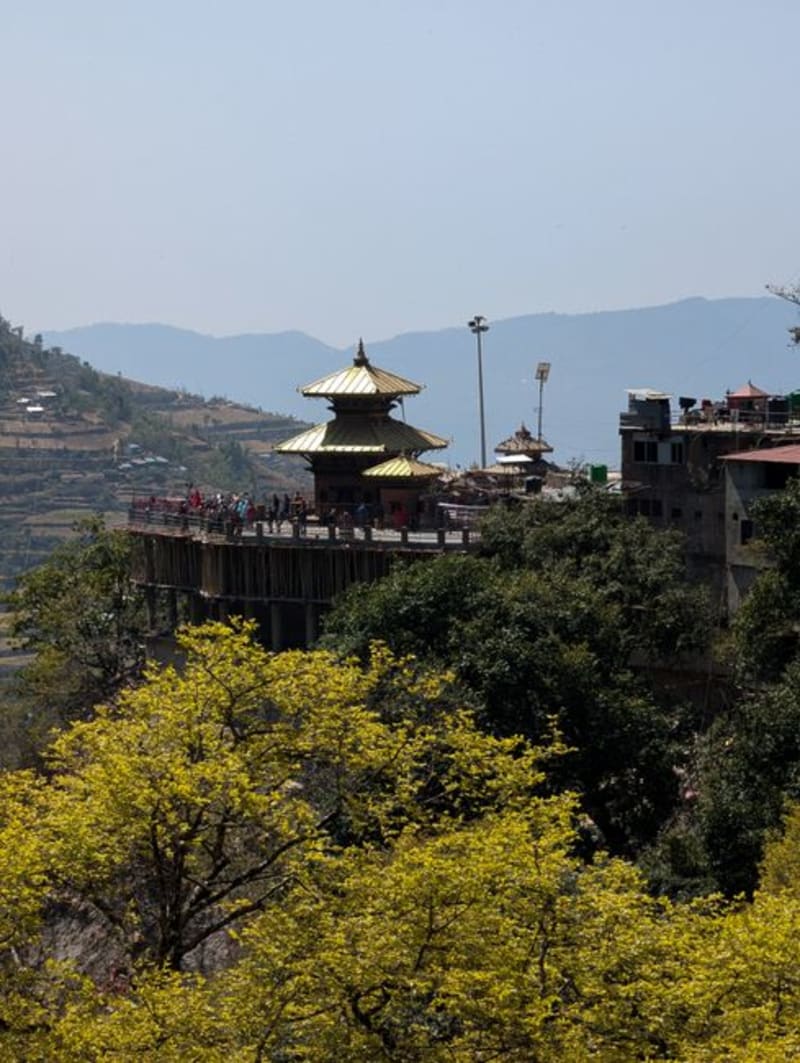 nepal
nepal Halesi Mahadev
A limestone cave temple in the eastern hills sacred to both Hindus and Buddhists, its dripping stalactite chambers doubling as a shrine to Shiva.
Explore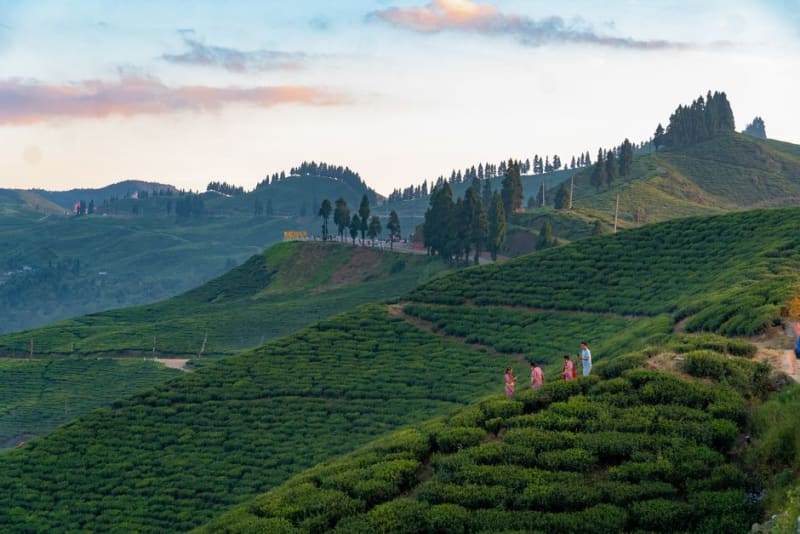 nepal
nepal Ilam
Rolling emerald tea gardens in Nepal's far east, where the hills look more like Darjeeling than the Himalayas most people picture.
Explore nepal
nepal International Mountain Museum
A Pokhara museum built for the climbers and Sherpas who make the Himalayas possible, not just the mountains themselves.
Explore