Ghami
"The mani wall outside Ghami is nearly half a kilometer of carved stone. I walked its whole length twice and still didn't read every mantra."
A terraced Upper Mustang village guarding one of the longest mani walls in Nepal, wedged between eroded canyons on the jeep road to Lo Manthang.
Ghami sits roughly halfway between Chele and Lo Manthang on the main jeep road through Upper Mustang, and most itineraries reduce it to a lunch stop — understandable, given how much bigger a draw the walled capital further north is, but a shame, because Ghami is home to one of the longest continuous mani walls in the entire country. The wall runs for what feels like forever along the approach to the village, painted in bands of red, white, and ochre, each stone hand-carved with the mantra Om Mani Padme Hum by generations of villagers and travelers passing through.
Walking the wall
Lia and I walked the full length of it slowly, in the direction tradition requires — clockwise, keeping the sacred stones to our right — and even at a deliberate pace it took the better part of forty minutes. Some stones were clearly ancient, worn smooth and softened at the edges; others looked recently added, sharper carving, brighter paint. The wall is a living structure, not a preserved relic, still being extended by people who live here.
Canyons and a village built to last
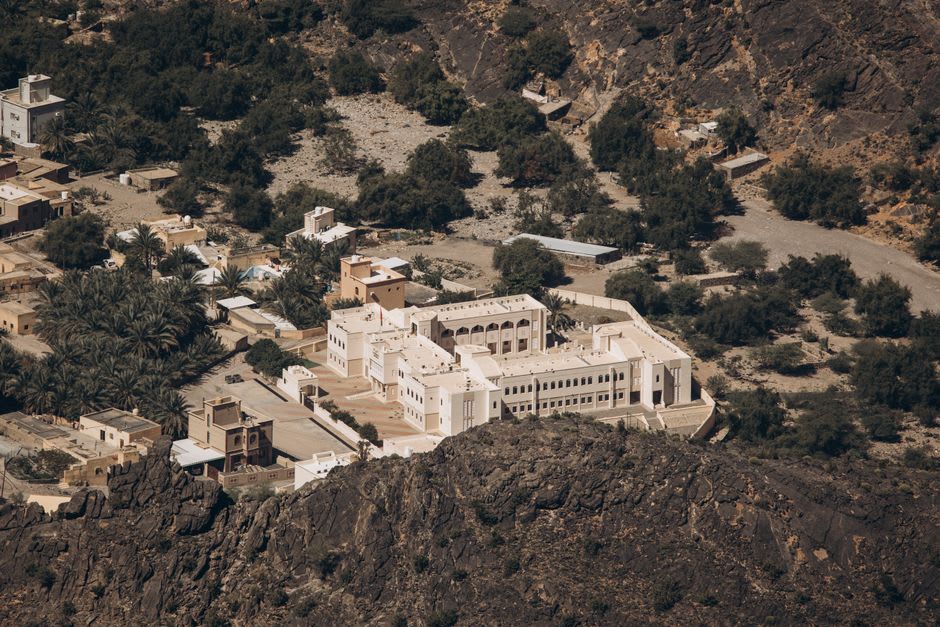
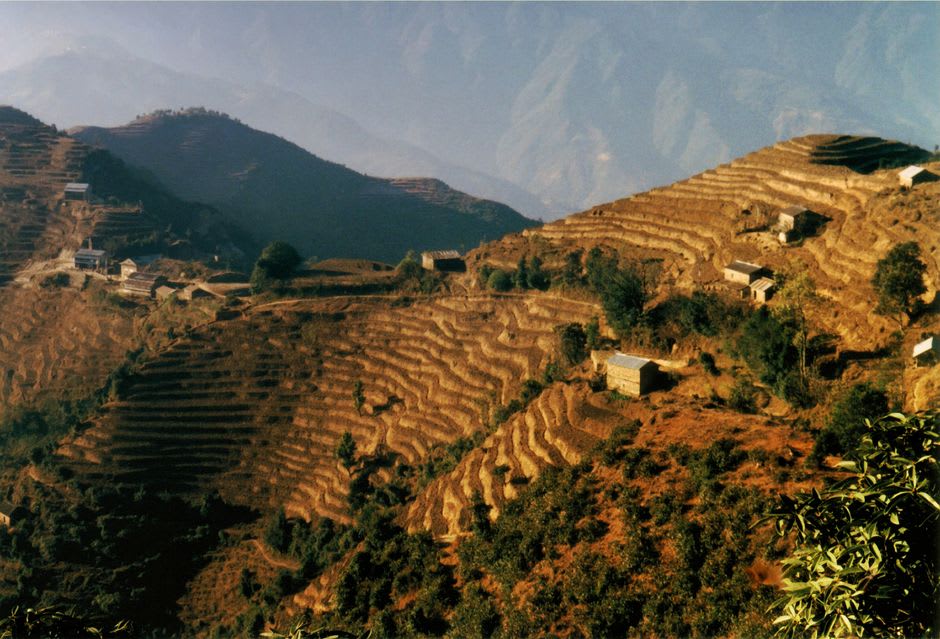
The approach to Ghami cuts through some of the most severely eroded terrain in Upper Mustang — deep gullies and canyon walls striped in bands of red, grey, and ochre sediment, a landscape that looks more lunar than Himalayan. The village itself, once you arrive, is a cluster of flat-roofed stone houses and terraced barley fields fed by an old irrigation channel that locals maintain communally, a system that predates any development project and still works better than most modern ones I’ve seen elsewhere.
We stayed the night at a family-run guesthouse where the grandmother spun a hand-held prayer wheel through the entire dinner conversation without appearing to notice she was doing it, a gesture so automatic it had clearly outlasted whatever conscious effort it once required.
When to go: May through October, aligned with the passable jeep season through Upper Mustang. Give yourself at least an hour at the mani wall rather than the ten minutes most itineraries allot.
Keep exploring
More from Nepal
 nepal
nepal Ghandruk
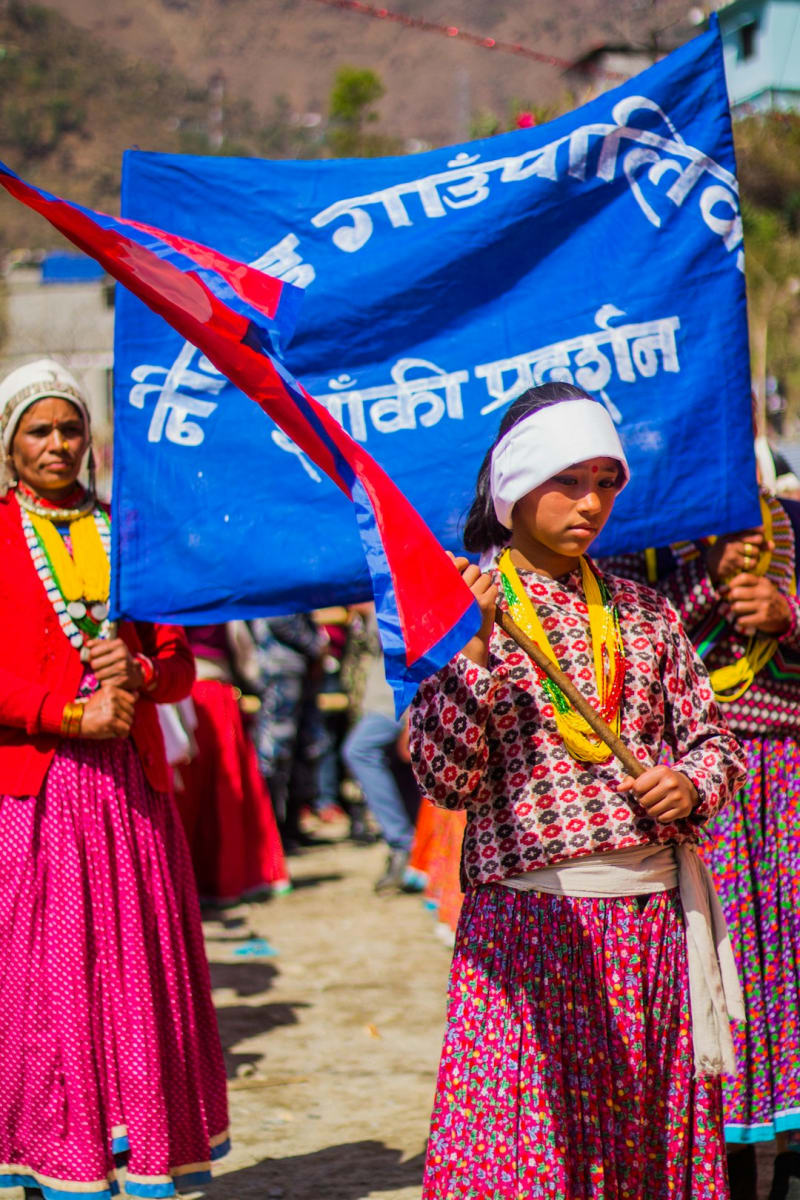
A stone-and-slate Gurung village stacked into an Annapurna hillside, close enough to reach in two easy days and beautiful enough that you'll wish you'd budgeted for a third.
Explore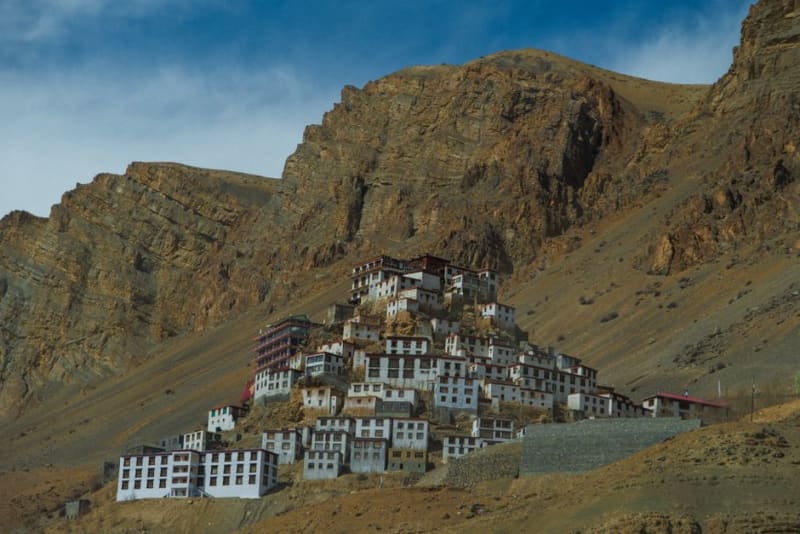 nepal
nepal Ghar Gompa
A cliffside monastery older than Tibetan Buddhism's own oldest monastery, tucked in a side valley that most Upper Mustang jeep routes bypass.
Explore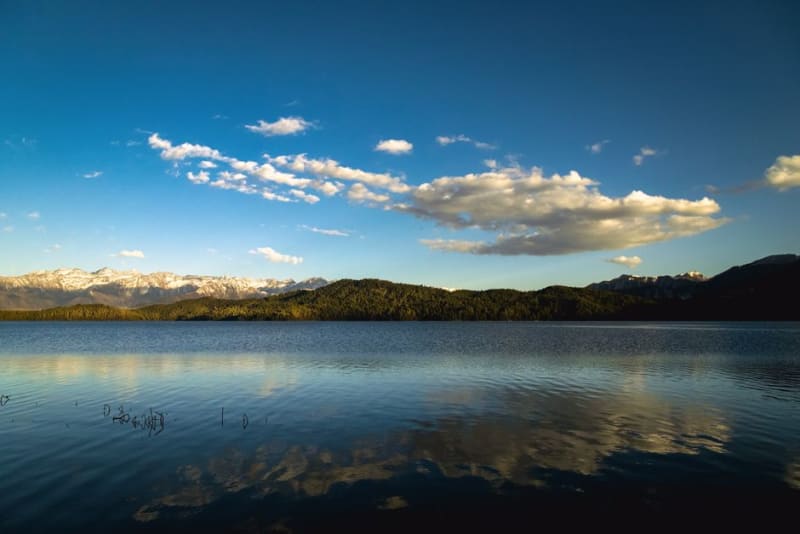 nepal
nepal Ghodaghodi Lake
A sprawling wetland system in the far-western Terai, a Ramsar site of lily-covered lakes, crocodiles, and migratory birds that almost no itinerary includes.
Explore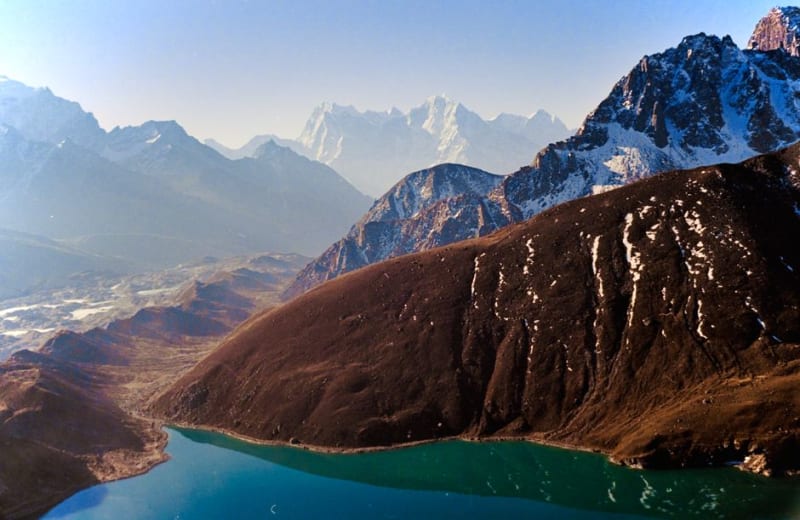 nepal
nepal Gokyo Lakes
A chain of glacial lakes in a side valley west of the main Everest trail, turquoise against grey moraine, reached by far fewer trekkers than the numbers deserve.
Explore nepal
nepal Gorkha
The hilltop fortress town where Prithvi Narayan Shah launched the unification of Nepal, still guarded by a palace perched improbably on a cliff edge.
Explore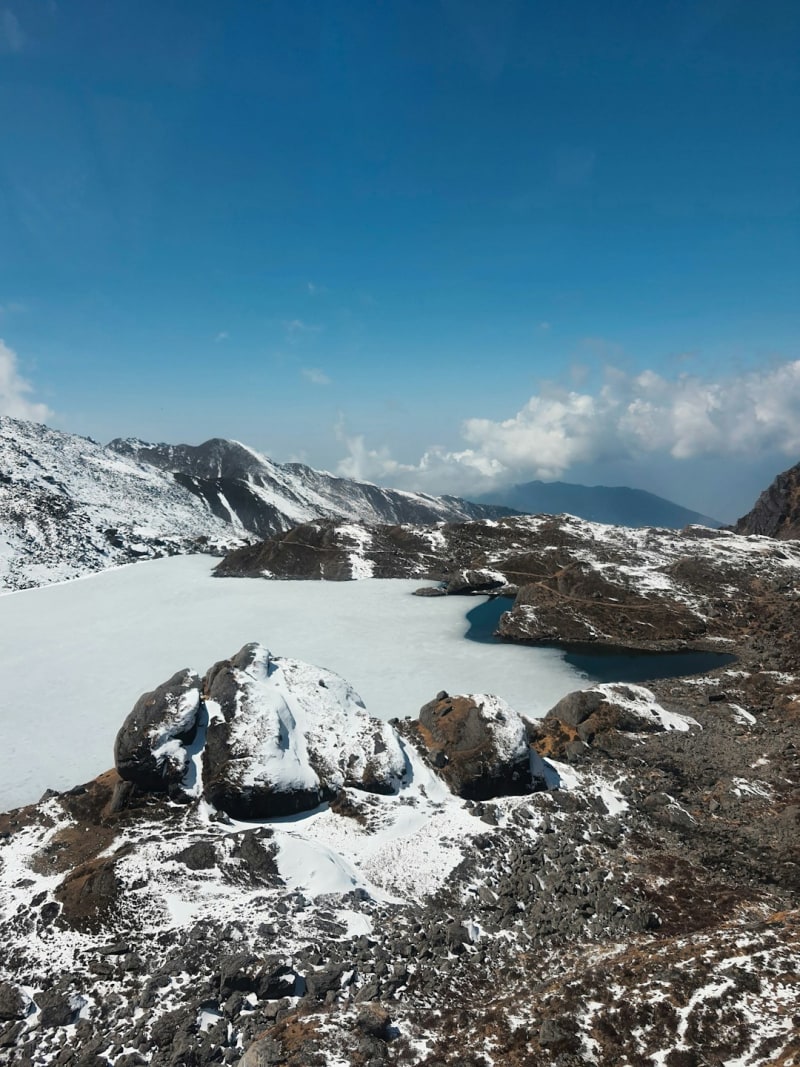 nepal
nepal Gosaikunda Lake
A sacred alpine lake at 4,380 meters, frozen half the year and swarmed by pilgrims the other half, reached by a brutal ridge trail that rewards you with some of the starkest scenery in the Langtang region.
Explore