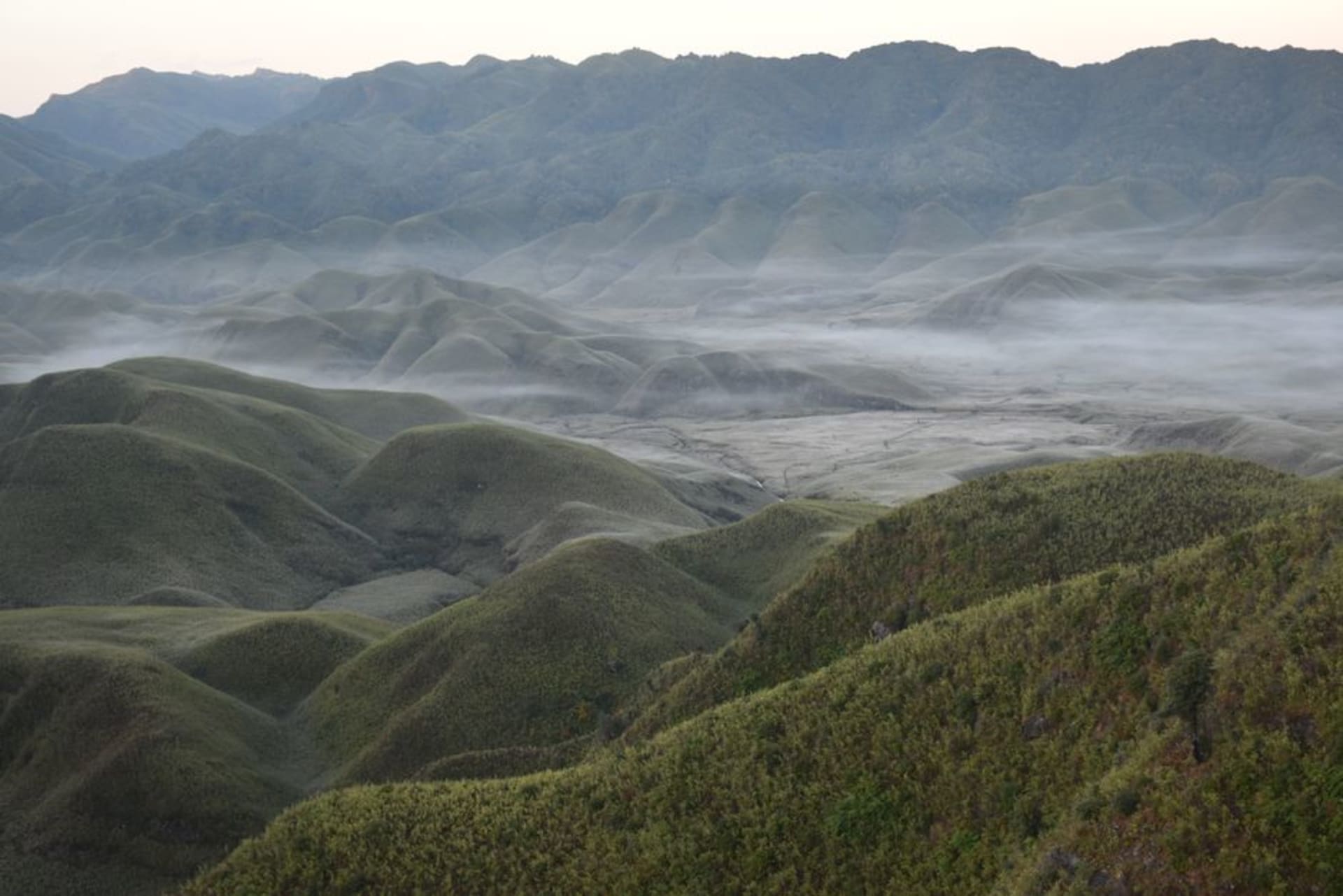
Zunheboto
"Nobody in Kohima could tell us much about Zunheboto, which is exactly why we went."
A pine-ridged Sumi Naga heartland where log drums once called warriors and morungs still anchor village life.
We almost skipped Zunheboto. Every guesthouse owner in Kohima nudged us toward Mon instead, said the road was rough and there wasn’t “much to see.” Lia looked at me over breakfast and said that was precisely the problem — we’d been chasing places other travelers had already flattened into itineraries. So we hired a driver, packed motion-sickness pills for the switchbacks, and climbed into the pine-covered ridgelines of central Nagaland, up to nearly 1,880 meters, where the air went thin and cool and the fog sat low over the hills by six in the evening.
Zunheboto is the district headquarters and, more than that, the heartland of the Sumi — one of Nagaland’s largest tribes, historically known for a fierce warrior tradition and for log-drum ceremonies that once summoned entire villages. Our host, a schoolteacher named Vishe whose family had lived there for three generations, walked us to a morung on the edge of town — a traditional bachelor dormitory tied to pre-colonial Sumi social structure, where young men were once trained in discipline, defense, and community duty. It wasn’t a museum piece. Kids were still playing football nearby, and an old carved log drum sat under a corrugated roof looking almost embarrassed by its own history.
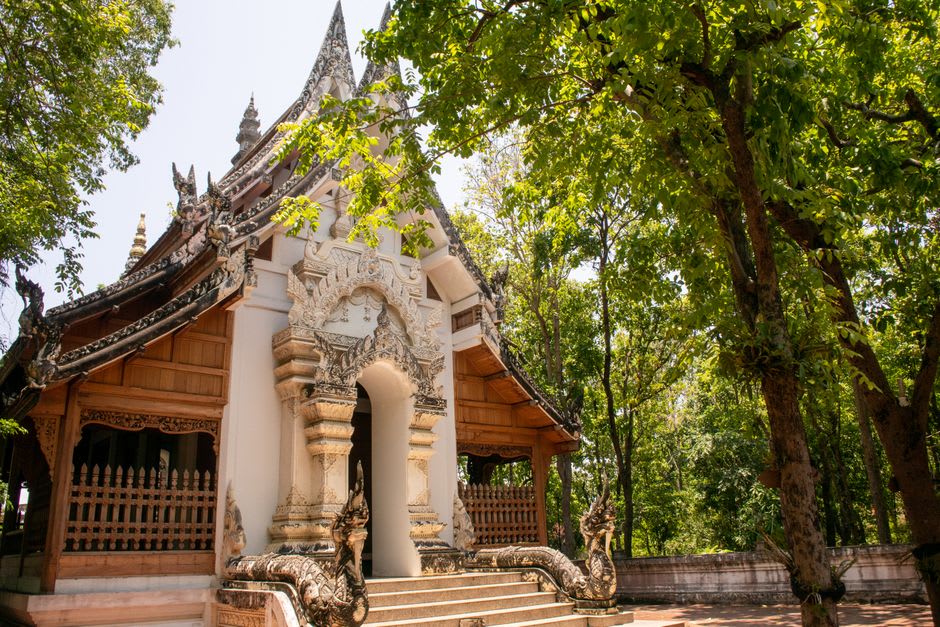
What struck me most was how the town’s Christian mission history — dating back to the early 20th century — sits right alongside these older Sumi structures without either one erasing the other. Church bells rang on Sunday morning while, an hour’s walk away, a village elder showed us where log drums had been carved from single tree trunks generations ago. Lia, who studies textiles wherever we travel, spent an afternoon talking with women weaving shawls in patterns specific to Sumi clans, and I mostly just sat there with a glass of black tea, feeling like a guest in the truest sense — not a tourist ticking a box.
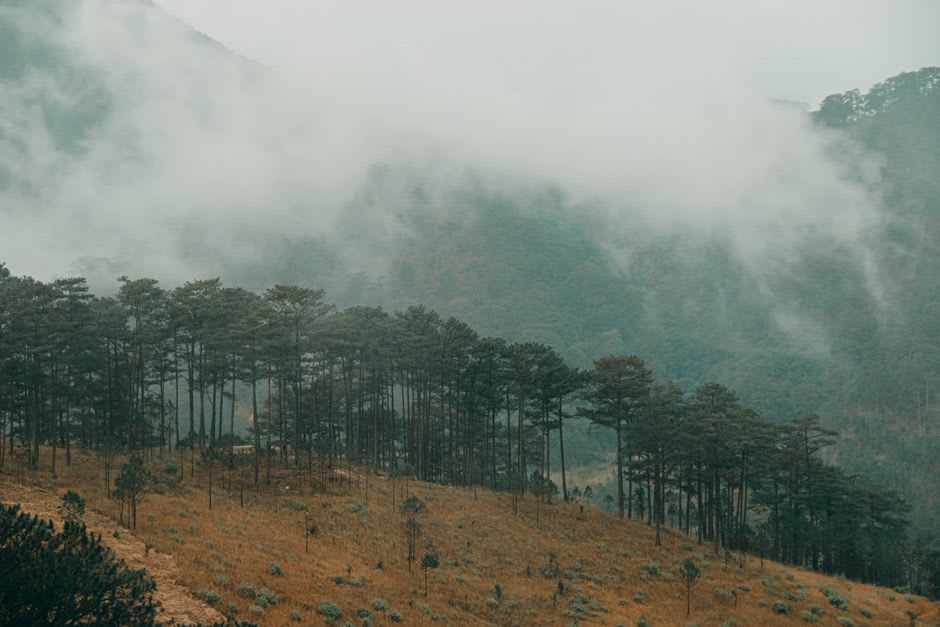
Compared to Kohima’s museums or Mon’s headhunter mystique that draws photographers by the busload, Zunheboto felt unfiltered — a place still living its own rhythms rather than performing them for visitors. That’s a rare thing, and I don’t say it lightly after eight years of doing this. When to go: aim for October to April, when the weather turns cool and dry and the hill roads are far kinder; if you can align your visit with a local Sumi festival, you’ll catch a side of this place that no itinerary can guarantee.
Keep exploring
More from Nagaland
 nagaland
 Dimapur
Nagaland's only plains city and its chaotic commercial gateway, built over the ruins of a medieval Kachari kingdom whose carved stone pillars still rise from the jungle.
Explore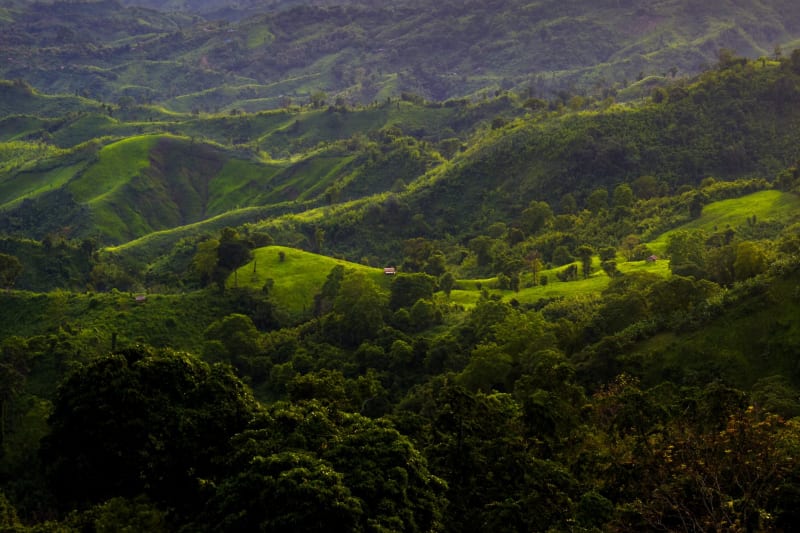 nagaland
 Dzükou Valley
A hidden high-altitude valley on the Nagaland-Manipur border where seasonal lilies turn the meadows blue-white in July and the silence is complete enough to hear your own pulse.
Explore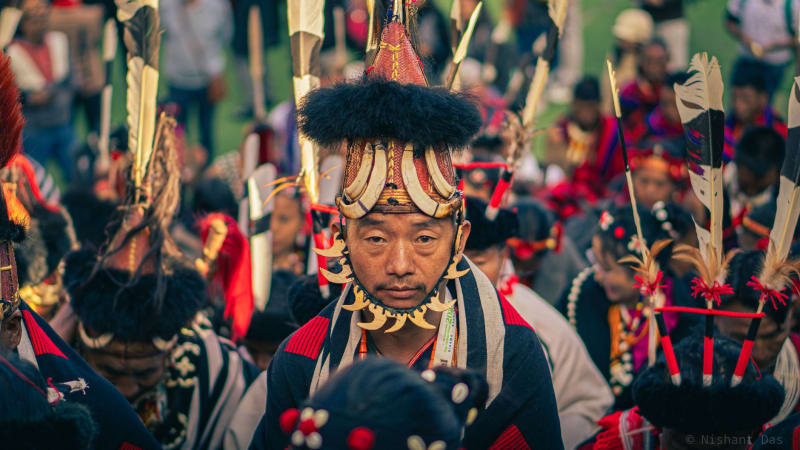 nagaland
 Khonoma
Asia's first green village sits on a ridge above Kohima, its terraced fields carved centuries ago and its hornbills still wild in the oaks above the path.
Explore nagaland
 Kisama Heritage Village
The open-air festival grounds outside Kohima where all sixteen Naga tribes converge each December and the drumming starts before dawn.
Explore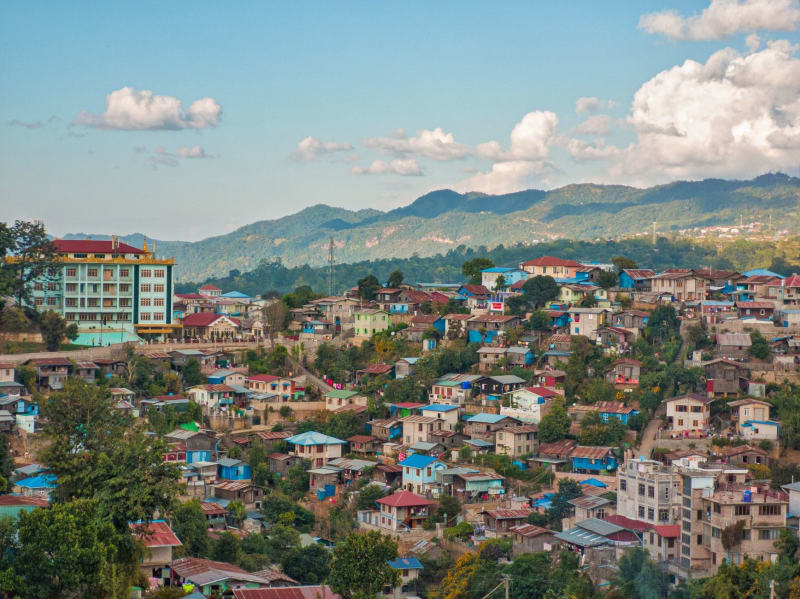 nagaland
 Kohima
A hilltop capital where one of WWII's most pivotal battles was fought in someone's garden and the memory still sits heavily in the air.
Explore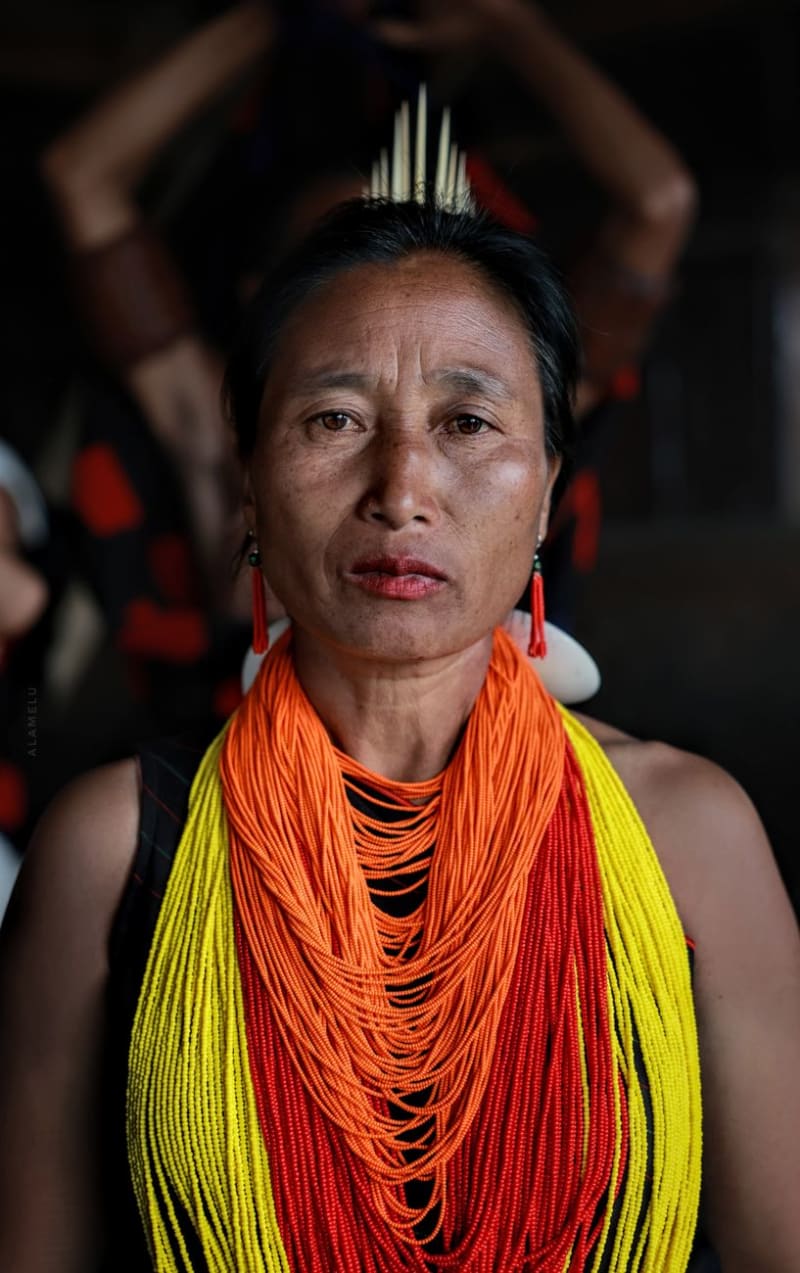 nagaland
 Longwa Village
A remote Konyak village on the far northeastern frontier where the chief's longhouse sits on the India-Myanmar border and the old men still wear the tattoos of a headhunting past.
Explore