
Dimapur
"You come for the airport but you stay for the ruins — a medieval kingdom no one warned you about, swallowed almost completely by vines."
Nagaland's only plains city and its chaotic commercial gateway, built over the ruins of a medieval Kachari kingdom whose carved stone pillars still rise from the jungle.

Every journey into Nagaland begins in Dimapur, whether you want it to or not. It is the only city in the state with an airport and a railway station, and it sits in the flat Assam plains rather than the mountains, which means it doesn’t look like Nagaland feels. My first hour there was spent untangling myself from an auto-rickshaw negotiation in forty-degree heat, which was disorienting after reading that I was about to enter one of India’s most remote and atmospheric states. Dimapur tests you before letting you through.
The city is loud, commercial, and sprawling in the way of Indian market towns everywhere — cycle shops next to phone repair stalls next to sari emporiums, the road surface a collaborative work of art between different municipal bodies that clearly haven’t spoken to each other in years. But tucked inside this noise, in a green compound near the centre of town, is one of the strangest archaeological sites in the entire northeast: the Kachari Ruins. The Kachari were a medieval Hindu kingdom that ruled this area before the Naga tribes pushed them south in the eighteenth century, and what they left behind are dozens of massive stone pillars — some mushroom-shaped, some phallic, some carved with figures worn to abstraction — rising from what is now a municipal park where children play cricket in the afternoon.

The ruins sit in a kind of urban amnesia — the city built around them without entirely absorbing them, and they persist in their clearing with the quiet authority of things that have decided to outlast everything around them. Nobody I met in Dimapur seemed especially interested in them. A man selling fried snacks near the gate told me the pillars had been there his whole life and probably always would be. This seemed like the right relationship to have with a mystery.
The Naga Bazaar in Dimapur is the largest market in the state and worth several hours even if you are only passing through. It sprawls across multiple city blocks, its inner lanes covered with corrugated iron roofing that turns the light amber and keeps things cool enough for the piles of fermented products — akhuni, pickled bamboo shoots, sun-dried fish from Manipur — to be navigated without haste. The silk-weaving section sells Naga shawls at prices considerably lower than in Kohima or Kisama, and the weavers work in view, on backstrap looms, the shuttle moving with a rhythm that makes the whole building vibrate slightly.

Dimapur is not a destination in itself — it is a transition point, a place where Nagaland introduces itself gradually before the mountain road takes over. But the Kachari pillars and the market between them constitute a real half-day, and the food around the market — particularly the Assamese and Naga stalls that open before seven in the morning — is the best argument for arriving the night before your mountain departure and eating your way into the dawn.
When to go: Dimapur is accessible year-round as an entry and exit point. If you have flexibility, avoid it during the peak monsoon months (July–August) when the plains flooding makes onward road travel to the mountains slow and occasionally impassable.
Keep exploring
More from Nagaland
 nagaland
Dzükou Valley
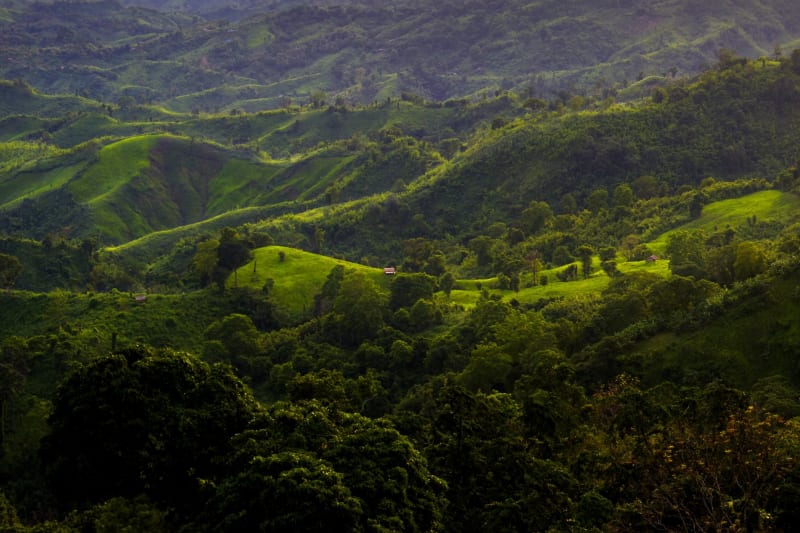
A hidden high-altitude valley on the Nagaland-Manipur border where seasonal lilies turn the meadows blue-white in July and the silence is complete enough to hear your own pulse.
Explore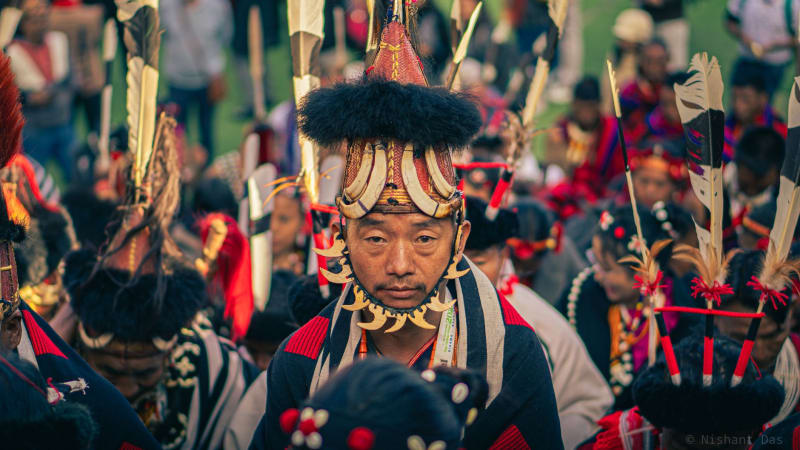 nagaland
Khonoma
Asia's first green village sits on a ridge above Kohima, its terraced fields carved centuries ago and its hornbills still wild in the oaks above the path.
Explore nagaland
Kisama Heritage Village
The open-air festival grounds outside Kohima where all sixteen Naga tribes converge each December and the drumming starts before dawn.
Explore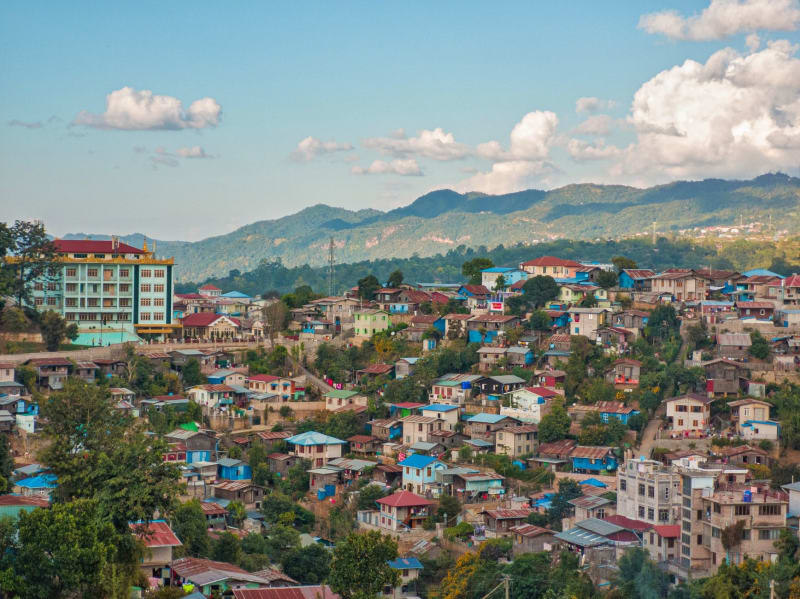 nagaland
Kohima
A hilltop capital where one of WWII's most pivotal battles was fought in someone's garden and the memory still sits heavily in the air.
Explore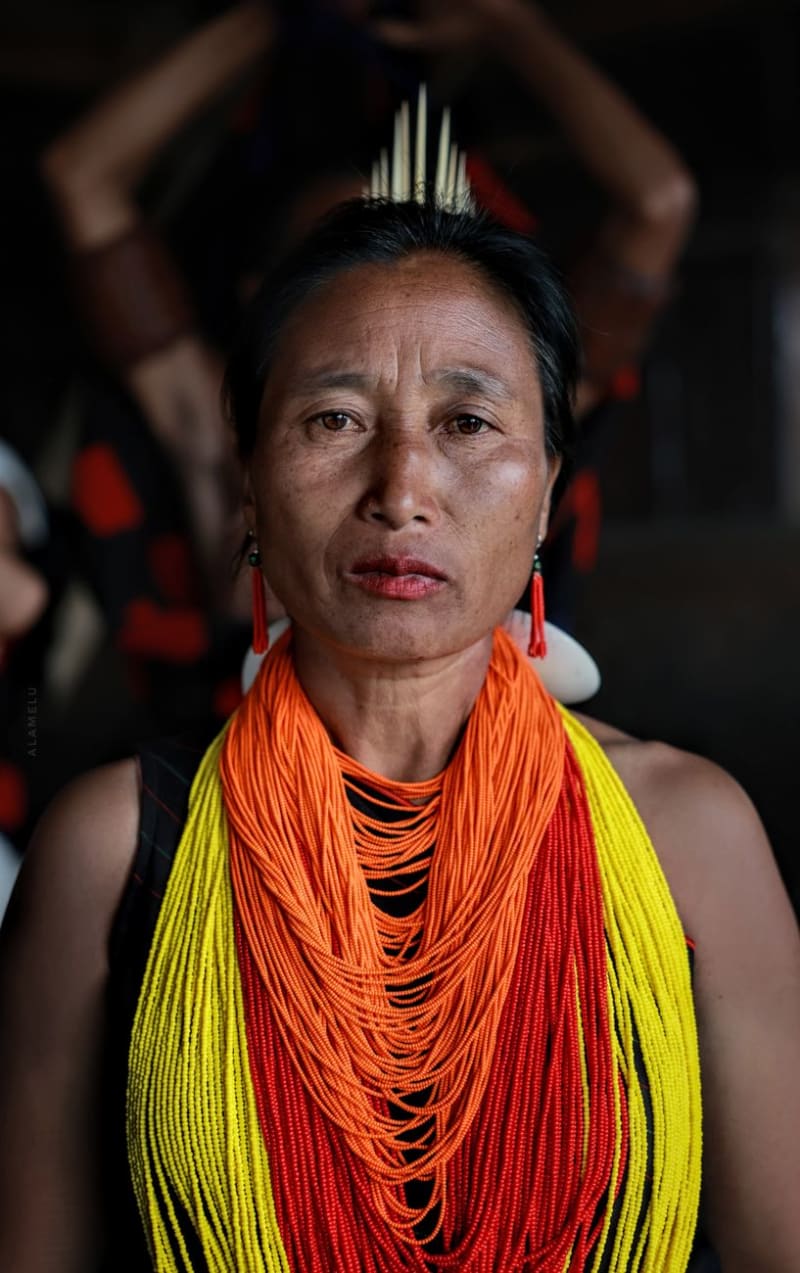 nagaland
Longwa Village
A remote Konyak village on the far northeastern frontier where the chief's longhouse sits on the India-Myanmar border and the old men still wear the tattoos of a headhunting past.
Explore nagaland
Mokokchung
The intellectual and cultural capital of the Ao Naga people, where college education, folk music, and a tradition of grassroots journalism coexist on forested ridge above the Tizu valley.
Explore