
Touphema
"The cockerel started at four-thirty. By five, I was sitting on the veranda watching the fog lift off the valley and I had completely forgotten what an alarm clock was."
Touphema is about forty-five kilometres south of Kohima, and the road to it winds through the kind of hill country that makes driving feel like an act of optimism — continuous curves, vertiginous drops, the occasional vehicle coming the other way with what seems like unreasonable confidence. When I arrived at the village it was late afternoon, mist beginning to thicken in the lower valley, and the traditional huts visible on the hillside above had a quality that was half fairy tale, half genuinely prehistoric.
The Touphema Tourist Village is a purpose-built cultural retreat, but it has been built with a precision and seriousness that separates it from similar projects elsewhere in India. The morung-style cottages are constructed from bamboo and thatch by local Angami craftsmen, using traditional techniques, and they are arranged on a terraced hillside that looks out over a bowl of forest and farmland. Inside each cottage: a wood-framed bed with hand-woven Naga blankets, a small wood-burning stove, oil lamps, no television, sometimes no phone signal. What they have engineered, whether intentionally or not, is a place of exceptional quietude.
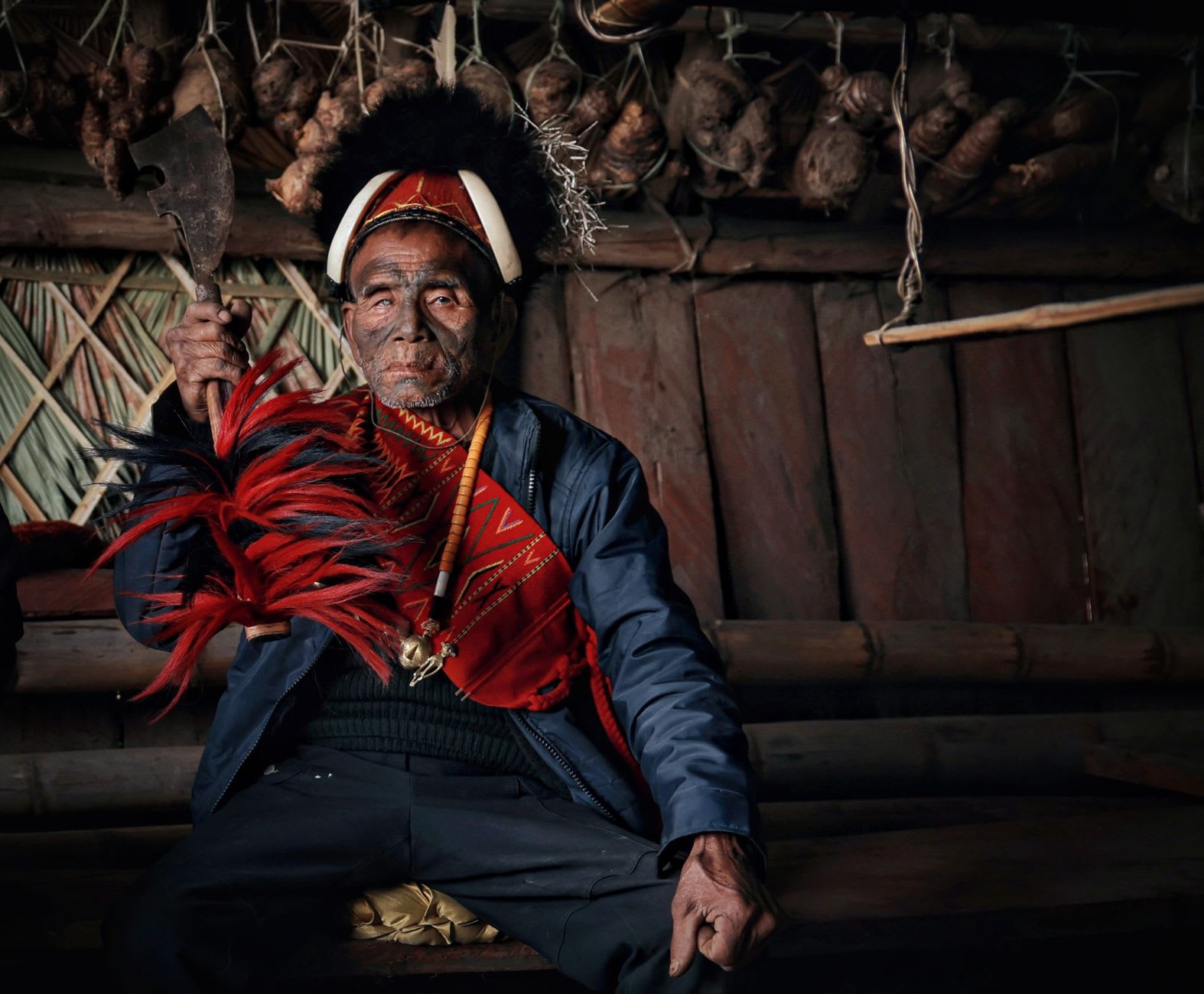
The food is the most compelling reason to go. Meals are served communally in a thatched dining hall, cooked on wood fires by the village women, and the menu changes with what is seasonal and available: one night pork with fermented bamboo shoot and dried chili, the next morning fresh rice flour pancakes with black sesame and honey, then smoked chicken with mustard leaf, then a broth built from pork bones and ginger that came to the table in a clay pot still steaming. The akhuni — fermented soybean paste — appears at every meal as a condiment, served in small clay dishes, and its smell no longer alarmed me by the second day. By the third I was putting it on everything.
The surrounding village and trails offer structured and unstructured walking. I spent most of my time in the unstructured category: following paths between terraced fields, finding a spring where the village women came to fill their bamboo tubes with water in the early morning, sitting in a clearing above the village where a single large stone marked an old ancestor-worship site and the view below was thirty kilometres of unbroken hills. In the late afternoons a group of village elders gathered under a tree near the main gate to play a board game I couldn’t identify, moving smooth river stones across a carved wooden surface with a focused efficiency that suggested the game rewarded patience.
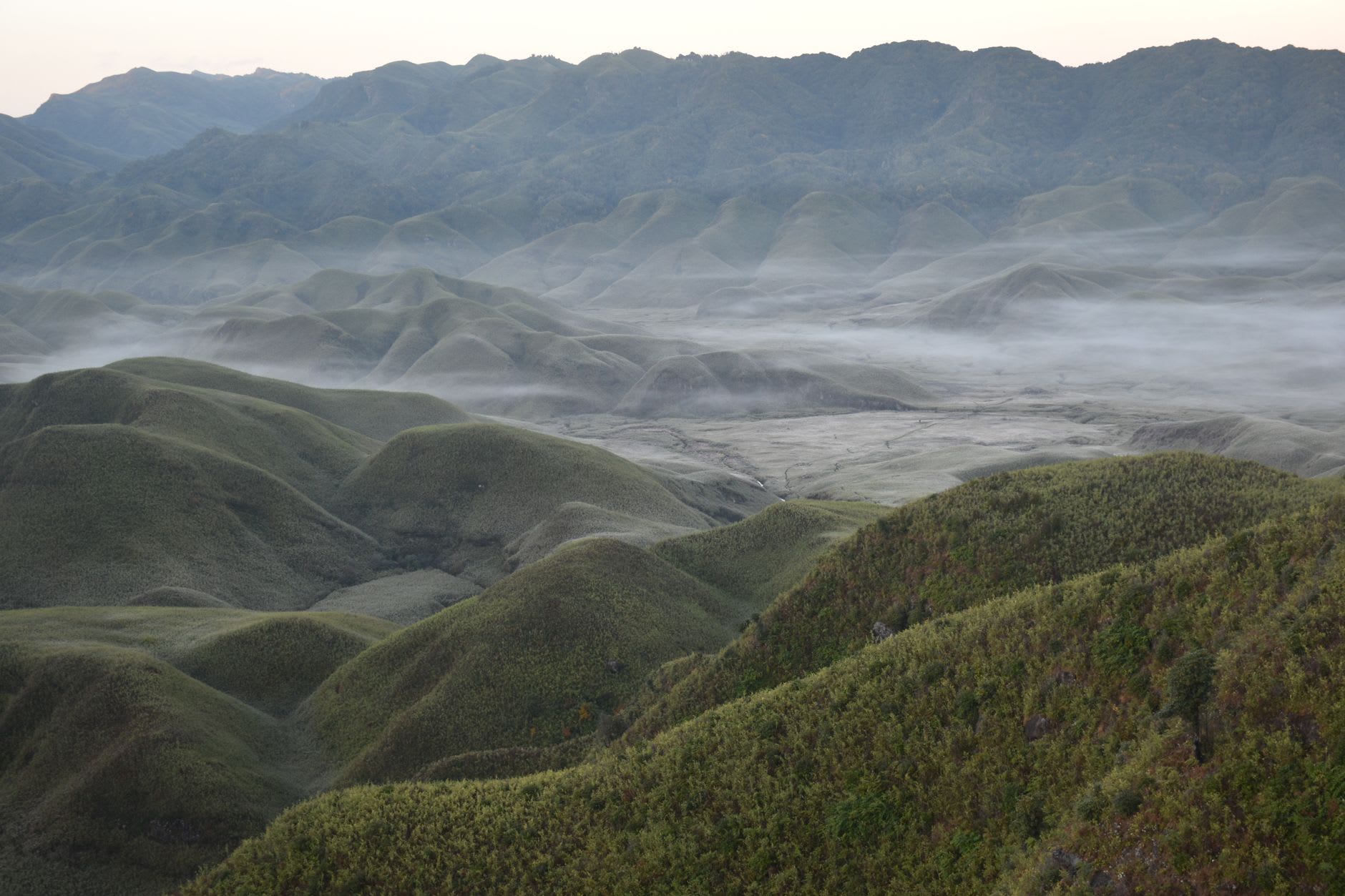
What Touphema does that few places manage is give you a version of traditional Naga life that is legible without being a museum. The village is alive — people work here, cook here, live here — and the tourism operation sits within that life rather than replacing it. I would not call it the real Nagaland, whatever that means, but I would call it an honest and generous approximation of it.
When to go: October through February for cool, clear weather and the best walking conditions. December is festival season nearby in Kohima and Kisama, making Touphema a good quieter base. Avoid May through August for the monsoon.