Nagaland's highest town, where terraced hills climb into cold mountain air and, on rare winter mornings, frost silvers the fields.
We got to Pfutsero the way most people seem to — as an afterthought that became the point of the trip. Lia and I had been in Kohima for four days, and someone at our guesthouse mentioned, almost in passing, that there was a town a few hours out where it sometimes snowed. In Nagaland. That alone was enough to get us into a shared jeep the next morning, climbing switchbacks until my ears popped twice. Pfutsero sits at around 2,133 meters, the highest town in the state, and you feel every one of those meters the moment you step out of the vehicle. The air had a bite to it that nothing else in Nagaland had prepared us for.
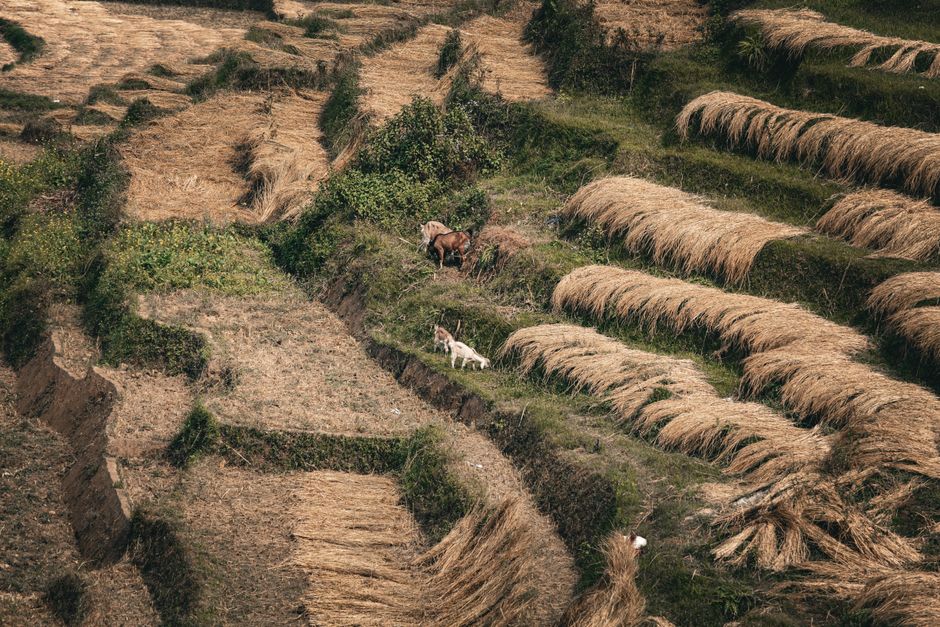
The town itself is Chakhesang Naga, and it wears its altitude differently than the valley towns do. Instead of the dense green we’d gotten used to, the hillsides around Pfutsero are cut into terraces built for a cooler climate — barley and potatoes instead of the rice paddies lower down. I spent our first evening just walking the ridge above where we were staying, watching woodsmoke curl up from tin roofs while the light went thin and blue.
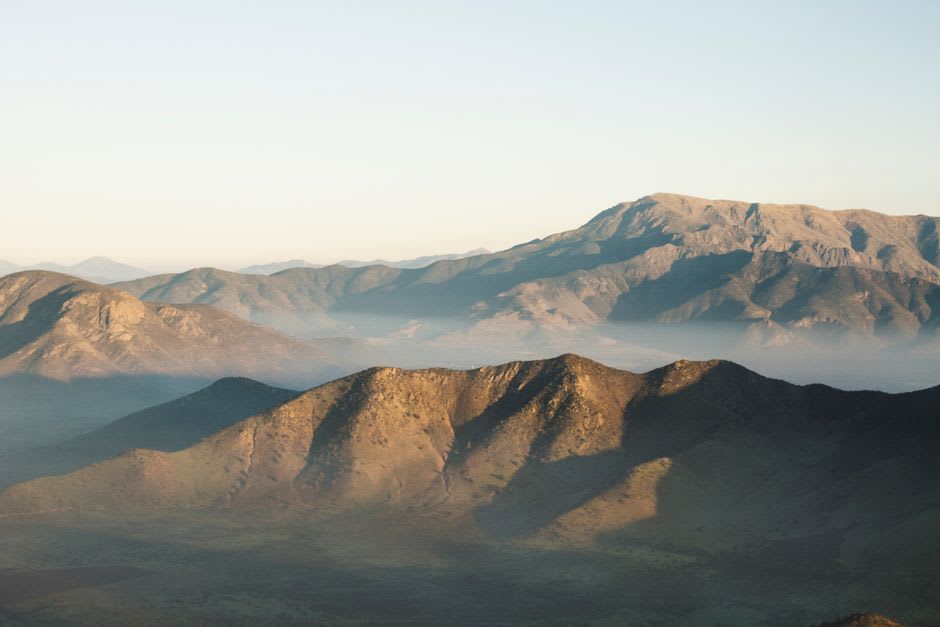
Pfutsero is also the obvious base if you want to push further out — Glory Peak and Meluri are both within reach, and half the other travelers we met at breakfast were headed one way or the other. We chose Glory Peak, and the walk up was brutal enough that Lia stopped talking to me for about twenty minutes on the ascent, which is her way of telling me she’s cold and it’s my fault we’re doing this. The view from the top, though, silenced the complaints — layers of ridgeline fading into haze, with nothing that looked like the rest of Nagaland anywhere in sight.
What stayed with me most was how little Pfutsero performs for visitors. There’s no polish here, no version of Dzükou Valley’s popularity — just a genuinely remote highland town going about its cold-weather business, terraces and all. We ate dinner both nights wrapped in every layer we’d packed, and I remember thinking that this, more than Kohima’s museums or the valley’s rice fields, was the Nagaland I hadn’t expected to find.
When to go: Aim for October through March, when the skies clear and, if you’re lucky, you might catch a rare morning of frost — or even a dusting of snow, which locals will tell you happens perhaps once every few years.
Keep exploring
More from Nagaland
 nagaland
 Phek
The Chakhesang lake district in southeast Nagaland, where Pfütsero sits higher than any other town in the state and Shilloi Lake mirrors the sky in near-perfect silence.
Explore nagaland
 Touphema
A model Angami village recreated as a cultural retreat where you sleep in a traditional morung, eat from an open fire, and wake to mist rolling through the rice paddies.
Explore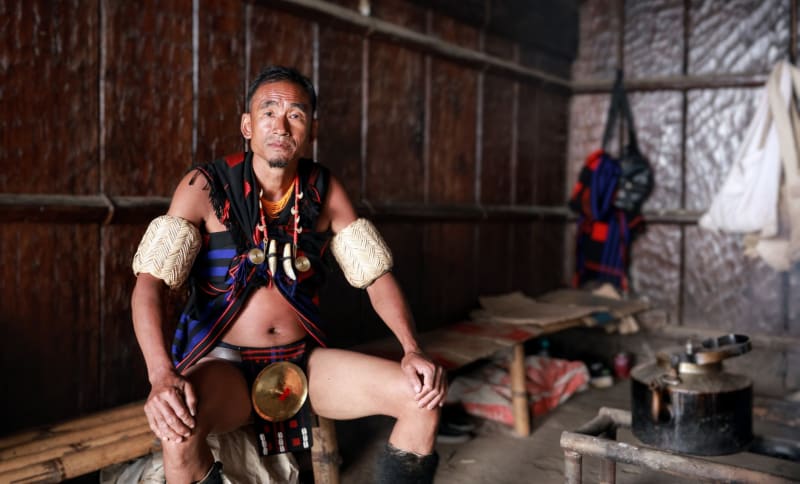 nagaland
 Wokha
A small hill town rising above orange orchards and Lotha Naga villages, with Mount Tiyi watching over everything and the air smelling of citrus from October onwards.
Explore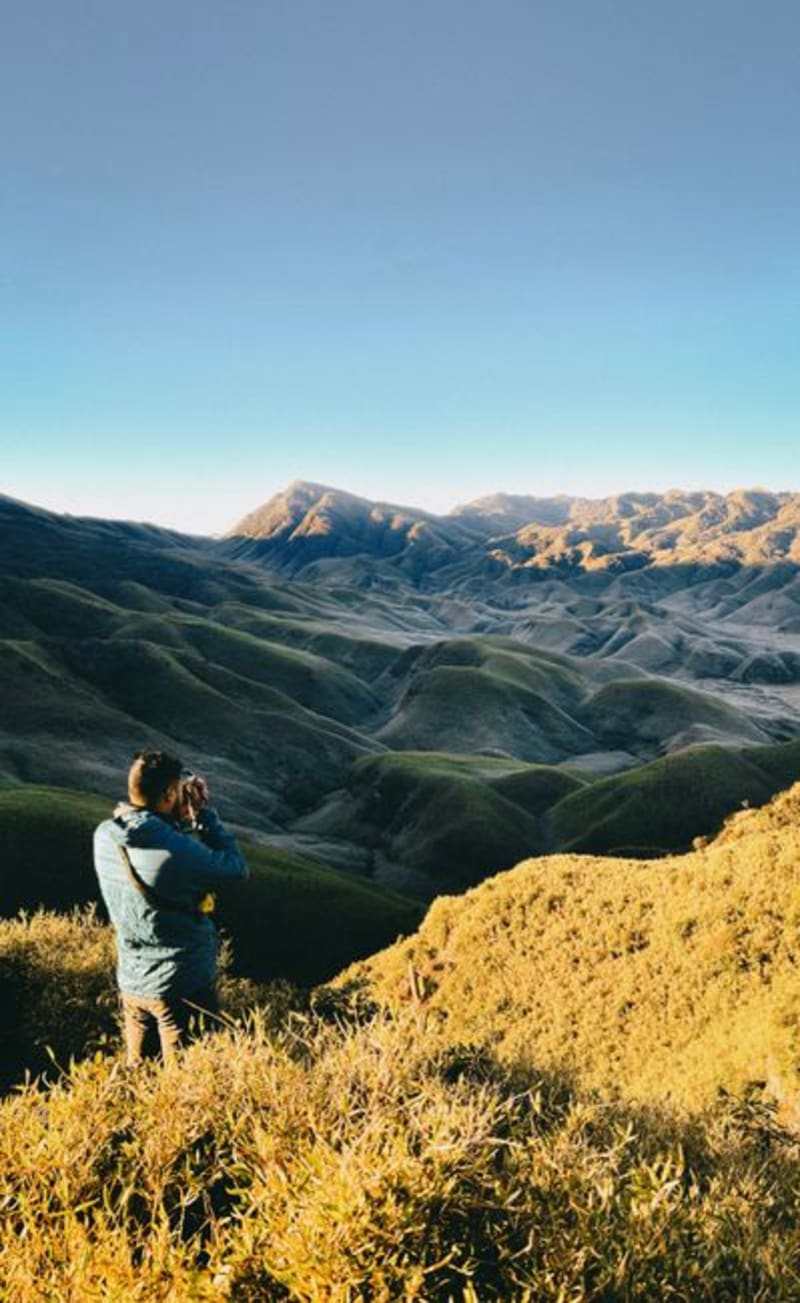 nagaland
 Zunheboto
A pine-ridged Sumi Naga heartland where log drums once called warriors and morungs still anchor village life.
Explore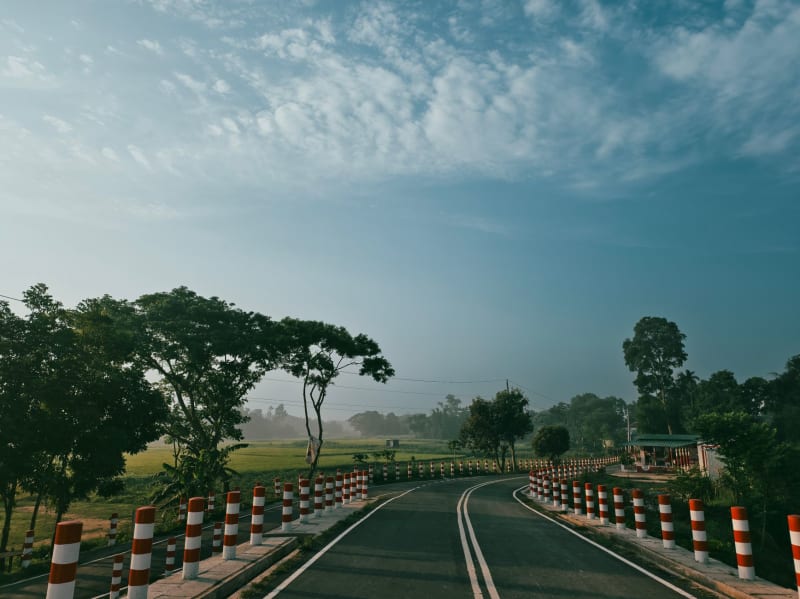 nagaland
 Dimapur
Nagaland's only plains city and its chaotic commercial gateway, built over the ruins of a medieval Kachari kingdom whose carved stone pillars still rise from the jungle.
Explore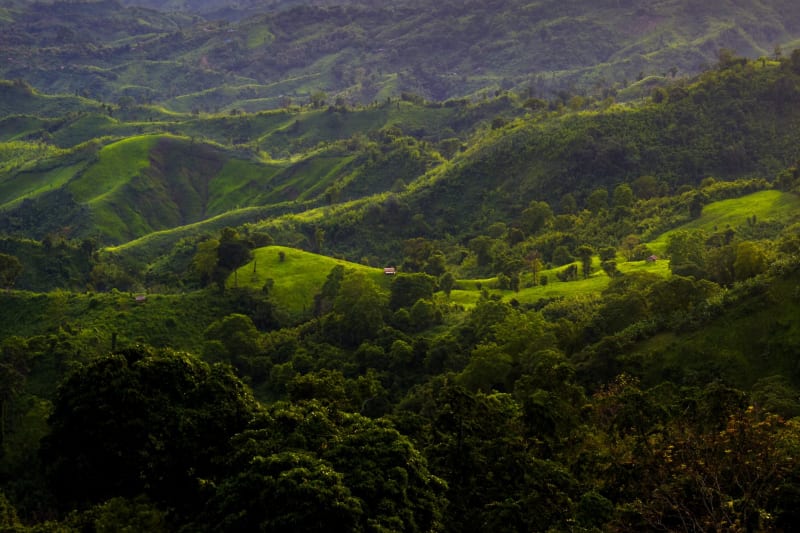 nagaland
 Dzükou Valley
A hidden high-altitude valley on the Nagaland-Manipur border where seasonal lilies turn the meadows blue-white in July and the silence is complete enough to hear your own pulse.
Explore